Home Visit
 Upload






Preventive Healthcare
Understanding Alcoholic Liver Disease: Causes, Symptoms, and Treatment Options
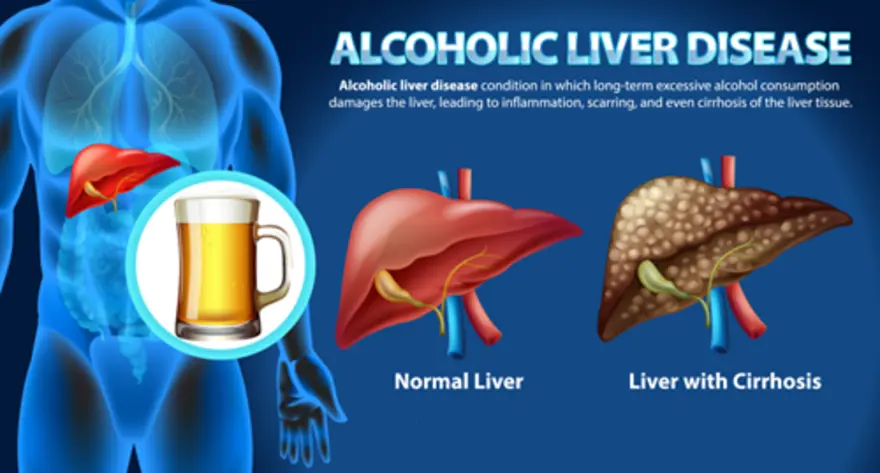
Table of Contents
- What Causes Alcoholic Liver Disease?
- Symptoms of Alcoholic Liver Disease
- How Is Alcoholic Liver Disease Diagnosed?
- Imaging & Diagnostic Tests to Identify Alcoholic Liver Disease
- Treatment Options for Alcoholic Liver Disease
- Preventing Alcoholic Liver Disease
- When to See a Doctor for Alcoholic Liver Disease
- Conclusion
- FAQs
Alcoholic liver disease refers to a spectrum of liver damage resulting from prolonged, heavy alcohol consumption. The condition progresses through three distinct stages: alcoholic fatty liver disease, alcoholic hepatitis, and finally cirrhosis, marked by permanent scarring that severely impairs liver function.
In its earliest stage, alcoholic fatty liver disease develops when fat accumulates inside liver cells due to altered metabolism from alcohol processing. This stage often produces no noticeable symptoms, making early detection challenging. As damage progresses, inflammation develops, leading to alcoholic hepatitis. Without intervention, extensive scarring called cirrhosis can develop, potentially leading to liver failure or liver cancer.
The alcoholic liver disease pathophysiology involves toxic byproducts from alcohol metabolism that directly damage liver cells, trigger inflammation, and promote scar tissue formation. Understanding what alcoholic liver disease is—and how it progresses—empowers you to take preventive action before irreversible damage occurs.
What Causes Alcoholic Liver Disease?
Chronic heavy drinking overwhelms your liver's capacity to safely break down alcohol, leading to the accumulation of toxic substances that injure liver cells. When your liver metabolizes alcohol, it generates harmful byproducts such as acetaldehyde and reactive oxygen species, which damage cellular structures, DNA, and fat metabolism.
Risk factors beyond alcohol consumption influence your likelihood of developing alcoholic liver disease. Women face a higher risk due to differences in alcohol-metabolising enzymes, while obesity, poor nutrition, and coexisting conditions like hepatitis C significantly increase vulnerability. Genetic variations in alcohol-processing enzymes also affect individual susceptibility.
For example, someone consuming four standard drinks daily for ten years faces substantially higher risk than someone who occasionally binge drinks. There is a clear dose–response relationship: higher alcohol intake over longer periods greatly increases the risk of developing this serious condition.
Symptoms of Alcoholic Liver Disease
Early alcoholic fatty liver disease typically produces no symptoms, which explains why many people remain unaware of their condition. However, as liver damage progresses, various alcoholic liver disease symptoms become apparent:
- Persistent fatigue and weakness
- Loss of appetite with unintentional weight loss
- Nausea and frequent vomiting
- Abdominal discomfort, particularly pain in the upper right side
- Jaundice, the yellowing of skin and eyes
- Dark urine and pale, clay-coloured stools
- Fever and general malaise
- Itchy skin throughout the body
- Swelling in legs, ankles, or feet
- Fluid accumulation in the abdomen
Viral hepatitis screening to rule out coexisting or alternative causes of liver disease. These warning signs indicate potential complications like liver failure, requiring immediate medical attention.
How Is Alcoholic Liver Disease Diagnosed?
- Detailed drinking history assessment, including amount, pattern, and duration of alcohol use
- Physical examination checking for jaundice, abdominal tenderness, enlarged organs, and neurological changes
- Blood tests measuring liver enzymes (often showing AST higher than ALT), bilirubin levels, albumin, and clotting factors
- Complete blood count identifying anaemia, low platelet count, or signs of infection
- Viral hepatitis screening to rule out alternative or coexisting liver diseases
Doctors may also use validated scoring systems that combine lab values and clinical findings to estimate disease severity and guide treatment decisions.
Imaging & Diagnostic Tests to Identify Alcoholic Liver Disease
The ICMR recommends initial laboratory screening for suspected alcohol-use disorders, specifically:
- Liver function test (LFT)
- Blood glucose measurement
- CBC Test
- Electrolyte panel
Other commonly used imaging and diagnostic tests for alcoholic liver disease include:
- Abdominal ultrasound: First-line imaging to detect steatosis, liver texture changes, ascites, and splenomegaly.
- Contrast CT scan: Detailed cross-sectional evaluation for nodularity, focal lesions, and portal hypertension signs
- MRI: Provides advanced tissue characterization, fat quantification, and detailed lesion assessment
- Transient elastography (FibroScan): Noninvasive measurement of liver stiffness to assess fibrosis stage
- Upper endoscopy: To screen for oesophageal or gastric varices in suspected cirrhosis
- Liver biopsy: If noninvasive testing is inconclusive
Treatment Options for Alcoholic Liver Disease
Treatment primarily focuses on complete alcohol abstinence, which is essential at all stages of the disease and can reverse fatty liver changes while reducing inflammation. Because stopping alcohol consumption can be challenging and potentially dangerous, many patients require supervised detoxification, anti-craving medications, counseling, and structured rehabilitation programs.
Nutritional therapy plays a vital role, as many patients with alcoholic liver disease experience malnutrition. A high-calorie, high-protein diet supplemented with essential vitamins—especially thiamine and other B-complex vitamins—can significantly improve outcomes. In severe alcoholic hepatitis cases, carefully selected patients may receive short-term corticosteroid therapy to reduce inflammation.
Managing cirrhosis involves treating complications with diuretics for fluid retention, medications for enlarged veins (varices), and prompt antibiotics for infections. For end-stage disease in patients maintaining long-term sobriety, liver transplantation may offer life-saving treatment, though this requires meeting strict eligibility criteria.
Preventing Alcoholic Liver Disease
- Follow low-risk drinking guidelines, or ideally, choose complete abstinence
- Seek professional help for alcohol use disorders through counselling and support groups
- Maintain healthy nutrition with adequate protein, vitamins, and minerals
- Get regular health screenings including liver function tests
- Manage coexisting conditions like obesity, diabetes, and viral hepatitis
When to See a Doctor for Alcoholic Liver Disease
Consult your doctor immediately if you experience persistent fatigue, abdominal pain, jaundice, swelling, or confusion. Anyone with regular alcohol consumption should discuss liver health during routine checkups, particularly if you have risk factors like family history or coexisting medical conditions.
Conclusion
Addressing liver health holistically supports not only alcohol-related damage but also overall metabolic health. Many of these preventive habits overlap with non-alcoholic fatty liver disease treatment, helping to reduce inflammation and preserve long-term liver function. Taking proactive steps toward overall metabolic health can also lower the risk of non-alcoholic liver disease progression.
At Metropolis Healthcare, we understand the importance of early detection in managing liver health effectively. Our comprehensive diagnostic services include advanced liver function tests and health check-ups designed to identify potential issues before they progress. With our network of over 220 laboratories and 4,600+ service centres, we bring reliable testing directly to your home through convenient sample collection services.
FAQs
Can alcoholic liver disease be reversed?
Early-stage alcoholic fatty liver disease can often be reversed through complete alcohol cessation and proper medical care. However, advanced scarring (cirrhosis) is generally irreversible, though stopping alcohol can prevent further progression and reduce complications significantly.
What are the first signs of alcoholic liver disease?
The earliest alcoholic liver disease symptoms include persistent fatigue, loss of appetite, mild abdominal discomfort, and general malaise. Unfortunately, many people experience no symptoms initially, making regular health screenings important for early detection.
How long does it take for alcoholic liver disease to develop?
Development timeframes vary significantly based on alcohol consumption patterns, individual genetics, and other risk factors. Heavy daily drinking may cause fatty liver within weeks, while cirrhosis typically develops after years or decades of sustained alcohol abuse.
What is the treatment for alcoholic liver disease?
Treatment centres on complete alcohol abstinence, nutritional support, management of complications, and, in severe cases, medications to reduce inflammation. Advanced disease may require liver transplantation for eligible patients who maintain long-term sobriety.