Home Visit
 Upload






Preventive Healthcare
How to Increase Testosterone Naturally with 10 Powerful Testosterone-Boosting Foods
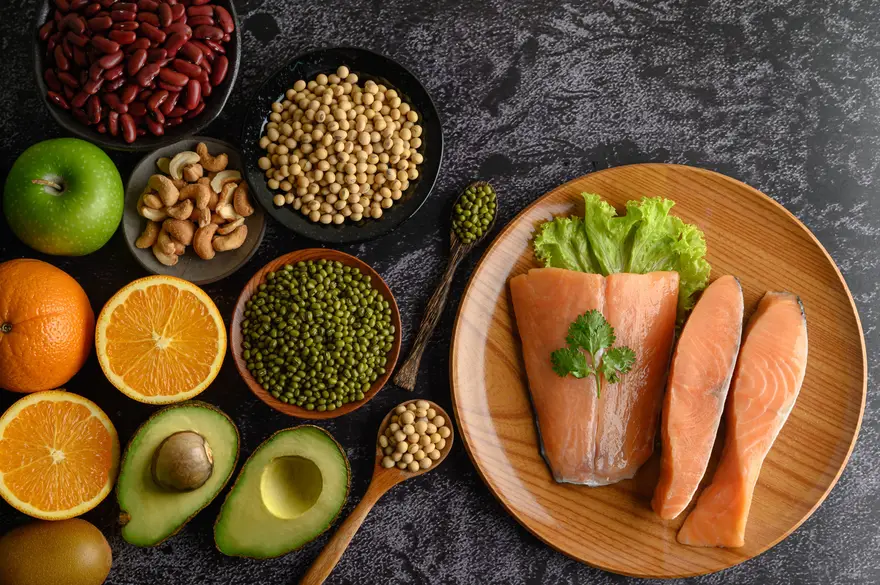
Table of Contents
Feeling low or not quite yourself lately can be frustrating, especially when you’re not sure what’s behind it. Testosterone levels naturally shift over time, and diet can play a small but meaningful role in supporting balance. The good news? Some everyday foods may offer gentle support without needing drastic changes.
This blog shares 10 T boosting foods that could help you feel more energised and steady. With the right knowledge, you can take simple steps toward better health—starting right in your kitchen.
List of 10 Foods To Increase/Boost Testosterone
Making a few thoughtful changes to your diet can be a helpful step if you're trying to support healthy testosterone levels. Certain nutrients may help your body maintain balance, especially when combined with a healthy lifestyle. Here are 10 foods worth considering.
Garlic
Garlic has long been valued for its health benefits, and it may support testosterone levels as part of a balanced diet.
- Garlic contains allicin, compound that may reduce cortisol levels. Cortisol competes with testosterone, so managing it can be beneficial.
- It has antioxidants which support overall hormonal balance.
- Regular garlic intake may help support testicular function by promoting blood flow and reducing oxidative stress.
Adding garlic to your meals could be a flavourful way to support your health.
Oysters and Other Shellfish
Oysters are often linked to male health, and there's some science behind that idea.
- Oysters are rich in zinc, a mineral essential for testosterone production.
- Zinc supports healthy sperm production and hormone balance.
- Shellfish like crab and lobster also contain zinc and other supportive nutrients.
Including shellfish in moderation may help contribute to foods that build testosterone.
Fatty Fish
Fatty fish like salmon, sardines, and mackerel are nutrient-dense and supportive of hormone health.
- They are high in omega-3 fatty acids, which may reduce inflammation and support hormone production.
- Rich in vitamin D, which is linked to testosterone levels.
- Provide good protein, helping your body repair and maintain tissues.
Eating fatty fish a couple of times a week may be a simple dietary boost for testosterone.
Leafy Greens
Leafy greens are great for general health and also offer benefits for testosterone support.
- Greens like spinach, kale, and Swiss chard are high in magnesium, which may positively affect testosterone levels.
- Magnesium helps reduce inflammation and improve blood flow.
- These vegetables are also packed with iron and vitamins beneficial for energy and stamina.
Incorporating leafy greens daily may help keep your hormone balance in check.
Cruciferous Vegetables
Cruciferous vegetables support hormonal health by aiding the body’s detoxification process.
- Broccoli, cauliflower, and Brussels sprouts may help lower excess oestrogen, which can allow testosterone to function more effectively.
- These vegetables are rich in fibre and antioxidants, supporting overall well-being.
- They also contain indole-3-carbinol, which may support healthy hormone metabolism.
Cruciferous vegetables can be a powerful part of your testosterone enhancing foods toolkit.
White Button Mushrooms
Often overlooked, white button mushrooms may support testosterone regulation.
- They may help inhibit the enzyme aromatase, which converts testosterone into oestrogen.
- Provide antioxidant protection and support immune health.
- Low in calories and easy to add to various meals.
They’re a versatile and nutritious option to help support hormone balance naturally.
Avocados
Avocados are more than just trendy — they’re packed with testosterone-supporting nutrients.
- Rich in healthy monounsaturated fats which are linked to hormone production.
- High in vitamin B6 and folate, which may help regulate cortisol levels and support testosterone.
- Contains vitamin E, known for its antioxidant properties.
Including avocados regularly might be a gentle dietary food for testosterone increase.
Also Read: Avocado Fruit Benefits You Didn't Know About
Cocoa
Cocoa and dark chocolate (in moderation) may have surprising hormonal benefits.
- Rich in magnesium and antioxidants, which support hormone regulation and reduce stress.
- Contains flavonoids that may improve blood flow and cardiovascular health.
- Can help reduce oxidative damage, supporting better cellular function.
Opt for unsweetened cocoa or high-quality dark chocolate to gain the most benefit.
Herbs
Some herbs have traditionally been used to support male health and energy.
- Ashwagandha may help lower stress hormones and support testosterone production.
- Fenugreek is thought to increase libido and testosterone levels in some studies.
- Ginger has anti-inflammatory properties and may support hormone balance.
These herbs may offer gentle support and could be included as part of your natural approach to wellness.
Egg Yolks
Egg yolks contain nutrients essential for hormone production and balance.
- High in vitamin D, which has been linked to testosterone levels.
- Also contains cholesterol, which is used by the body to make testosterone.
- Provide protein and essential fatty acids.
Eating whole eggs in moderation may help round out a diet of testosterone boosters foods.
Honey
Honey isn't just a natural sweetener—it may also support hormonal health.
- Contains boron, a trace mineral linked to testosterone levels in some research.
- Offers antioxidant support and may improve blood flow.
- Easily added to drinks or meals in small amounts.
Though it should be used in moderation, honey can be a sweet addition to your T boosting foods list.
Olive Oil
Olive oil is widely recommended for heart health and may also support testosterone.
- Rich in healthy fats that may help your body produce hormones more efficiently.
- Contains antioxidants that reduce inflammation.
- Some small studies suggest it may support testosterone levels when used regularly.
Using olive oil in your cooking or salads could help support hormone balance naturally.
Pomegranates, Cherries, and Berries
These fruits are rich in antioxidants, supporting overall health and hormone balance.
- May help reduce oxidative stress, which can affect testosterone production.
- Improve blood circulation, supporting testicular function.
- Contain flavonoids and polyphenols that may promote healthy hormone function.
Enjoying these fruits regularly may offer an easy and delicious dietary boost for testosterone.
Other Ways to Boost Testosterone Naturally
Besides diet, your lifestyle plays a big role in testosterone health. These simple strategies may help support your levels naturally:
- Get enough sleep: Poor sleep can reduce testosterone levels. Aim for 7–9 hours of quality rest each night.
- Manage stress: Chronic stress increases cortisol, which may lower testosterone. Consider breathing exercises, mindfulness, or short walks.
- Maintain a healthy weight: Carrying excess body fat may affect hormone levels. Even small weight changes can make a difference.
- Stay active: Strength training and resistance exercises are particularly effective as exercise for testosterone increase. Aim for at least 2–3 sessions a week.
- Get sunlight or vitamin D: This supports testosterone, mood, and bone health.
- Avoid smoking and excess alcohol: These can disrupt hormone balance and impact long-term health.
Combining these habits with a thoughtful diet may gently help your body find a more natural balance.
Foods to Avoid
While some foods can support testosterone, others may work against your goals. Here are a few to keep in mind:
- Highly processed foods: Packaged snacks and ready meals are often high in trans fats, which may negatively affect hormone production.
- Sugary drinks and sweets: Excess sugar can lead to insulin resistance, which may influence testosterone levels over time.
- Excessive alcohol: Regular heavy drinking can disrupt hormone production and liver function.
- Soy-based products (in large quantities): While moderate soy is generally fine, some studies suggest large amounts may affect oestrogen levels.
- Vegetable oils high in omega-6: Oils like corn, soybean, and sunflower oil can contribute to inflammation, which may impact hormone balance.
Avoiding or limiting these items doesn’t have to feel restrictive. With awareness and a focus on whole, nutritious foods, you can support your well-being through small, manageable changes.
Conclusion
Supporting your testosterone levels naturally doesn’t have to be stressful. With a few mindful food choices, like those mentioned in this blog, you can help your body maintain balance in a gentle, healthy way. Alongside diet, staying active, sleeping well, and reducing stress are all essential steps.
If you are considering testing your hormone levels or just want clarity on your health status, it’s wise to choose a trusted diagnostic partner. Metropolis Healthcare, with over 40 years of experience and a reputation for accuracy and care, offers reliable hormone testing through their advanced, well-equipped labs across India.
FAQs
Which drink is good for testosterone?
Pomegranate juice is considered one of the best drinks to support testosterone levels. It’s rich in antioxidants, which may help reduce oxidative stress and support hormone balance. Moderate intake of green tea or ginger tea may also be beneficial. Always choose natural, unsweetened options to avoid added sugars that could negatively affect hormone health.
How to get 1000 testosterone levels?
Reaching or maintaining 1000 ng/dL testosterone levels may require a mix of diet, exercise, quality sleep, and stress management. Focus on foods to increase testosterone, like eggs, leafy greens, and fatty fish. Resistance training and addressing any medical concerns with a healthcare provider can also help you support optimal levels safely and naturally.
Which fruit is best for testosterone?
Pomegranates are among the best fruits for supporting testosterone. They’re rich in antioxidants that may reduce oxidative stress and support healthy hormone function. Other helpful fruits include cherries, berries, and bananas. These contain vital nutrients that may support your body's natural ability to balance testosterone over time when eaten regularly.
Is milk good for testosterone?
Milk can be supportive of testosterone when consumed in moderation, especially if it’s whole milk with vitamin D. Vitamin D is linked to hormone regulation. However, choose milk without added hormones or excessive sugar. If you have dairy sensitivities, plant-based alternatives with added vitamin D and calcium can be considered.
Does ghee increase testosterone?
Ghee, or clarified butter, contains healthy saturated fats that may support hormone production, including testosterone. When included in a balanced diet, ghee may offer nutrients that help maintain hormone levels. However, moderation is important, as excessive intake of fats—healthy or not—can have other health effects over time.
How to check testosterone levels at home?
You can check testosterone levels at home using certified home test kits, which often involve a simple blood or saliva sample. These are then sent to a lab for analysis. For accurate and trusted results, services like Metropolis Healthcare offer convenient home collection with professional support and timely digital reports.
Can bananas boost testosterone?
Bananas contain bromelain, an enzyme that may help maintain testosterone levels. They’re also rich in B vitamins, which support energy and hormone function. While not testosterone boosters foods on their own, including bananas in a balanced diet can contribute to overall hormonal health in a gentle, natural way.
Also Read In Other Laguage: टेस्टोस्टेरोन बढ़ाने वाले 10 प्राकृतिक खाद्य पदार्थ: स्वस्थ जीवन के लिए