Home Visit
 Upload






Preventive Healthcare
Tuberculosis Decoded: Understanding the Origins, Signs, and Remedies
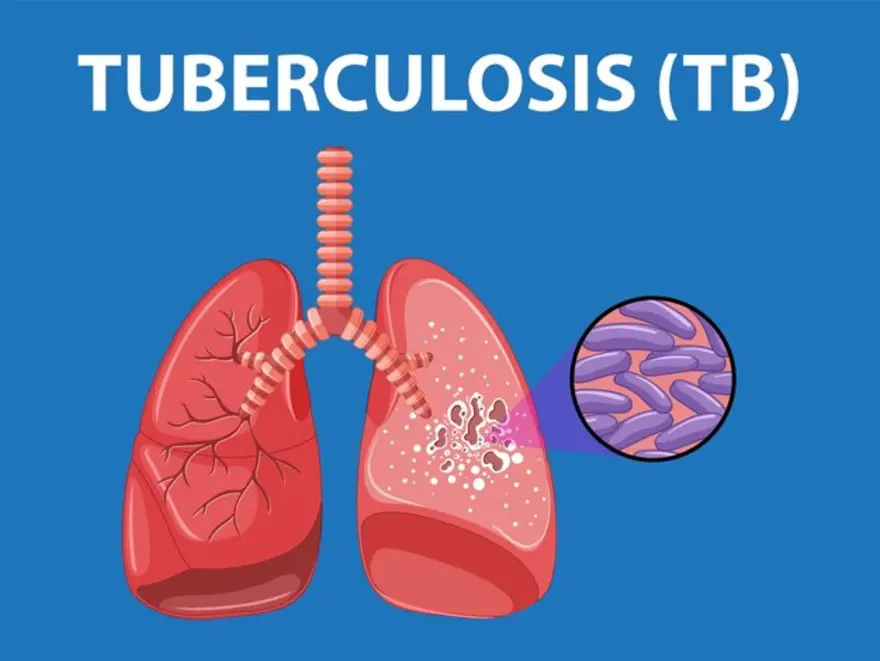
Table of Contents
- What is Tuberculosis (TB)?
- Symptoms of Tuberculosis (TB)
- Tuberculosis (TB) Causes
- Types of Tuberculosis (TB)
- Risk Factors
- Who is More Likely to Get Infected with Tuberculosis (TB) Germs?
- Who is More Likely to Develop TB Disease?
- When to See a Doctor?
- How Does Tuberculosis Spread?
- How is Tuberculosis (TB) Diagnosed?
- Treatment for Tuberculosis (TB)
- Recovery Time
- Can Tuberculosis be Prevented?
- Conclusion
- FAQs
What is Tuberculosis (TB)?
Tuberculosis (TB) is an infectious disease caused by the bacterium Mycobacterium tuberculosis. It usually affects your lungs but can also spread to other parts of your body, including your spine, kidneys, or brain.
You may not always feel sick when you first get infected, as TB can stay inactive in the body for years before becoming active. TB is treatable, and most people recover completely with the right care.
Symptoms of Tuberculosis (TB)
Understanding Tuberculosis symptoms can help you recognise the illness early and take prompt action. Some people may have the infection without any signs at all, especially in its latent form. However, once TB becomes active, it causes noticeable changes in your body.
- Persistent cough that lasts longer than three weeks is one of the most telling TB symptoms. It may begin mildly but gradually becomes more intense over time.
- Coughing up blood or sputum (a thick mucus from the lungs) may occur in more advanced stages of TB disease, and this is often a clear sign that the lungs are involved.
- Chest pain that worsens during breathing or coughing can be due to inflammation in the lung lining.
- Fatigue and weakness are common because your body is constantly fighting the infection.
- Fever and chills, especially in the evenings, may come and go as your body tries to fight the bacteria.
- Night sweats—you may wake up soaked in sweat without any external cause like room temperature.
- Loss of appetite and unintentional weight loss happen as your body struggles to maintain normal function.
- Shortness of breath may appear in later stages, especially when the lungs are extensively affected.
Tuberculosis (TB) Causes
The causes of TB are well known and linked directly to a specific type of bacteria. Understanding how the disease starts can empower you to take preventive steps and seek early treatment when needed.
- Mycobacterium tuberculosis is the bacterium responsible for TB. It mainly spreads through airborne droplets released when someone with active TB in their lungs coughs, sneezes, or even talks.
- You can get infected by breathing in these droplets, especially in enclosed spaces with poor ventilation.
- TB is not spread through handshakes, sharing food, or touching surfaces. It's primarily a respiratory infection.
- People with weakened immune systems, like those with HIV, are more likely to become sick after exposure.
- Crowded environments such as prisons, shelters, and nursing homes create conditions that allow the bacteria to spread more easily.
- Healthcare workers and individuals in frequent contact with TB patients are also at higher risk due to repeated exposure.
Types of Tuberculosis (TB)
TB can affect your body in different ways, and knowing the various types helps you understand the specific treatments needed.
- Latent TB Infection: This occurs when the bacteria are in your body but are inactive. You won’t feel ill and can’t spread the disease, but it may become active later if your immune system weakens.
- Active TB Disease: This is when the bacteria multiply and cause symptoms. It can occur shortly after infection or years later. You can spread the disease to others at this stage.
- Pulmonary TB: The most common form, where TB affects the lungs. It includes typical TB symptoms like coughing, chest pain, and coughing up blood.
- Extrapulmonary TB: This type affects other parts of your body like the kidneys, brain, lymph nodes, or bones. Symptoms vary based on the organ involved, such as back pain (if spine is affected) or swollen lymph nodes.
- Miliary TB: A rare but severe form where the TB bacteria enter the bloodstream and spread throughout the body, affecting multiple organs simultaneously.
- Drug-resistant TB: Some forms of TB don’t respond to common antibiotics. These require more complex treatments and longer recovery times.
Risk Factors
Certain factors increase your risk of infection or disease progression. Knowing them can help you stay cautious and seek early intervention.
- Weakened immune system—due to conditions like HIV, cancer treatments, or autoimmune diseases.
- Close contact with a person who has active TB disease, especially over long periods.
- Living in high-risk environments like prisons, homeless shelters, or refugee camps.
- Travel or residence in regions with high TB prevalence such as Asia, Africa, or parts of Eastern Europe.
- Health care work—exposure to infected patients in hospitals or clinics without proper protection.
- Poor nutrition and substance use, including alcoholism and drug abuse, can weaken your body’s defences.
Who is More Likely to Get Infected with Tuberculosis (TB) Germs?
You are more likely to get infected with TB germs if you spend prolonged time near someone who has active pulmonary TB. This could happen at home, in a healthcare setting, or in group living environments. People travelling to or living in countries where TB is more common are also at higher risk. Close and frequent contact increases your chances, even if the infected person shows no obvious symptoms.
Who is More Likely to Develop TB Disease?
Once infected, not everyone becomes ill. You are more likely to develop TB disease if your immune system is compromised—for instance, by HIV, diabetes, cancer, or long-term steroid use. Children under five and elderly people are also more vulnerable. If you have previously had TB or were not properly treated for it, your chances of becoming sick again are higher. A healthy immune system usually keeps the infection in check.
When to See a Doctor?
If you experience a cough lasting more than three weeks, unexplained weight loss, night sweats, or fatigue, it’s essential to consult a healthcare provider. Early diagnosis and TB treatment can prevent serious complications and stop the spread.
You should also see a doctor if you’ve been in close contact with someone who has active TB, even if you don’t feel sick yet. TB is manageable when caught early.
How Does Tuberculosis Spread?
TB spreads when someone with active lung TB releases bacteria into the air through coughing, sneezing, or talking. If you breathe in this air, especially in poorly ventilated spaces, you can become infected.
You cannot get TB by touching surfaces or sharing food. TB is more likely to spread in crowded places or where people are in close contact for long periods. The bacteria can stay in the air for hours in some cases.
How is Tuberculosis (TB) Diagnosed?
Getting the right diagnosis is crucial for timely Tuberculosis treatment. There are several methods your doctor may use:
- TB skin test (Mantoux test) involves injecting a small amount of testing fluid into your skin and checking for a reaction after 48-72 hours.
- TB blood tests can identify if your immune system has responded to TB bacteria, indicating a latent or active infection.
- Chest X-rays help doctors look for changes in your lungs that suggest TB.
- Sputum tests examine mucus you cough up to detect the presence of TB bacteria.
- CT scans or MRIs may be used to assess TB in other body parts like the spine or brain.
- Biopsy or fluid tests may be done for extrapulmonary TB to detect TB bacteria in tissues or other fluids.
Treatment for Tuberculosis (TB)
TB is treatable and curable in most cases with a course of antibiotics. TB treatment needs to be followed carefully and consistently over several months to ensure full recovery and avoid drug resistance.
Inactive TB Infections
Even though you don’t feel sick, you still need medication to prevent the infection from becoming active.
- Your doctor may prescribe one or more antibiotics like Isoniazid or Rifapentine.
- Treatment typically lasts 3 to 9 months, depending on the medication combination and your health condition.
- It's important to take all medicines exactly as prescribed to prevent the infection from becoming active later.
Active TB Disease
Active TB is contagious and requires a longer and more structured treatment plan.
- You will usually be prescribed a combination of four antibiotics (Isoniazid, Rifampin, Ethambutol, and Pyrazinamide) for at least 6 months.
- The initial phase lasts two months, followed by a continuation phase of four months or more.
- Your doctor may adjust the treatment based on your response and any side effects.
- You may need to stay home for a few weeks at the start of treatment to prevent spreading the bacteria.
Drug-resistant TB Disease
This occurs when TB doesn’t respond to standard medications.
- Treatment involves more potent and often more toxic antibiotics.
- You may need treatment for 12 to 24 months or longer.
- Close monitoring is necessary to manage side effects and ensure the bacteria are being effectively eliminated.
TB Disease in Your Lungs or Throat
These cases are more contagious and need specific care to protect others while you're being treated.
- Stay at home during the initial weeks of treatment to avoid spreading bacteria.
- Always cover your mouth when coughing or sneezing.
- Ensure good ventilation at home by keeping windows open when possible.
- Family members may also need to be tested or receive preventive treatment.
Recovery Time
Recovery from TB varies depending on your overall health and the type of TB you have. Most people with active TB begin to feel better within a few weeks of starting treatment, but full recovery usually takes six to nine months. If your TB is drug-resistant or has affected multiple organs, recovery may take longer.
Following your doctor’s advice, completing the medication course, and attending all follow-up appointments will help ensure a full return to health.
Can Tuberculosis be Prevented?
Yes, there are ways you can protect yourself and others from TB. Prevention plays a key role, especially if you’re in close contact with someone who has active TB.
- Get tested regularly if you’re at high risk or work in a healthcare setting.
- Use protective masks if you're around infected individuals, particularly in confined spaces.
- Ensure proper ventilation in your home and workplace to reduce airborne bacteria.
- Follow medication plans strictly if you have latent TB to prevent it from turning active.
- Educate yourself and others about how TB spreads and how it can be treated.
Conclusion
Understanding Tuberculosis (TB) empowers you to take timely action for yourself or your loved ones. With early diagnosis, proper care, and adherence to the recommended TB treatment, full recovery is not only possible but expected. Remember, TB is preventable, treatable, and manageable with the right support and awareness.
For trusted and accurate diagnostic services, go with Metropolis Healthcare. With NABL and CAP-accredited labs, home sample collection, and over 4,000+ tests including TB screening, Metropolis ensures expert care with the convenience you deserve.
FAQs
Q1. Is there a vaccine for tuberculosis?
Yes, the BCG vaccine exists for TB, mainly given to children in countries with high TB prevalence.
Q2. How common is tuberculosis?
TB affects millions globally each year, especially in developing countries. It remains a major global health concern.
Q3. What are the first warning signs of TB?
Persistent cough, fatigue, night sweats, weight loss, and fever are usually early signs of active tuberculosis.
Q4. How to check TB at home?
You can't fully diagnose TB at home; seek medical help if symptoms persist for more than three weeks.