Home Visit
 Upload






Preventive Healthcare
World Braille Day: Eye Health Awareness, Vision Problems & Early Diagnostic Tests
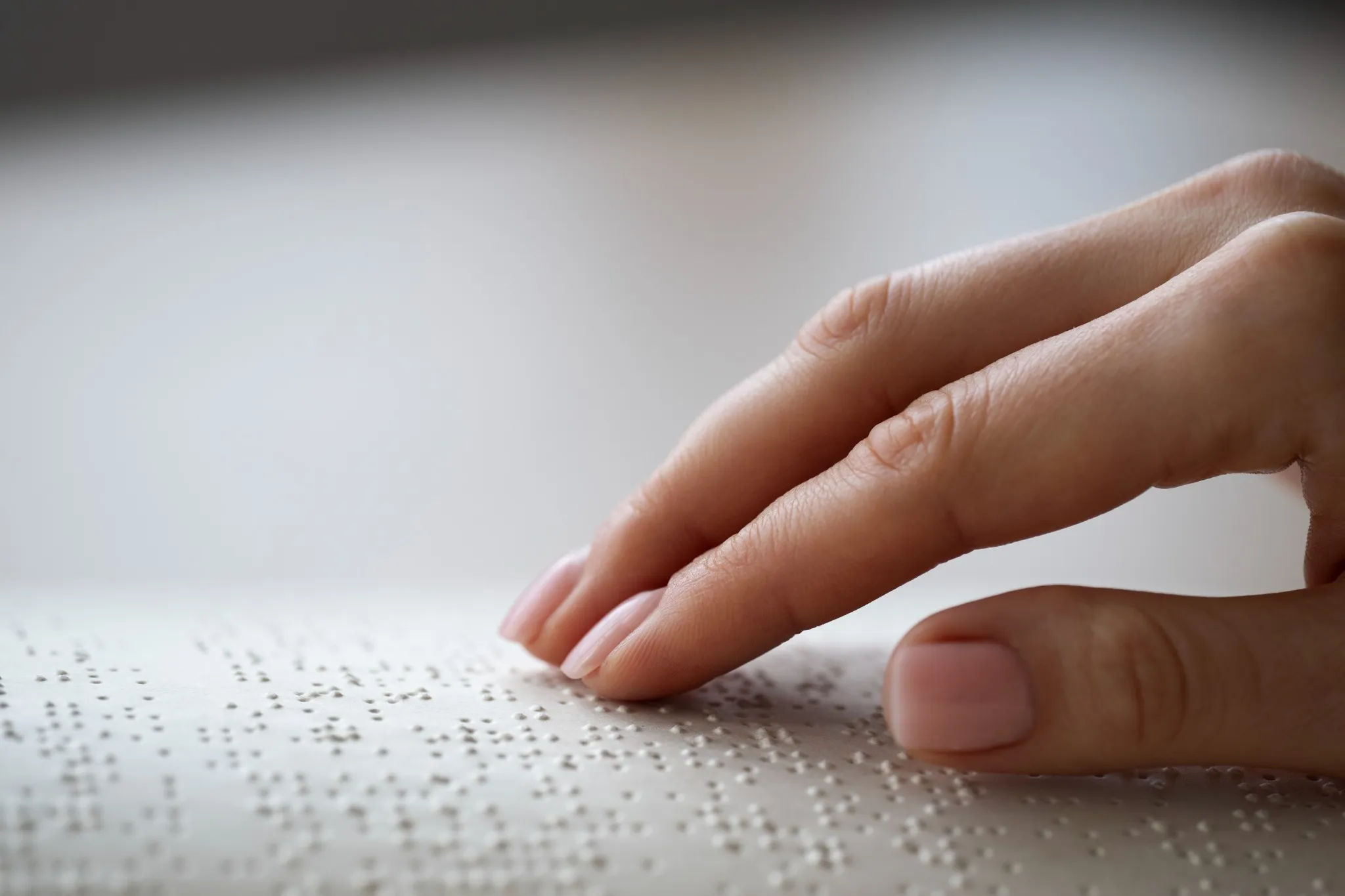
Table of Contents
- What is World Braille Day, and Why is It Observed?
- World Braille Day History
- World Braille Day 2026 Significance
- Understanding Visual Impairment and Eye Health
- The Role of Preventive Healthcare in Vision & Nerve Health
- How Systemic Health Affects Vision
- Essential Health Tests That Support Vision & Nerve Function
- Conclusion
- FAQs
- References
What is World Braille Day, and Why is It Observed?
World Braille Day is observed annually on 4th January to honour Louis Braille, the inventor of the revolutionary Braille reading and writing system. This international observance celebrates the birthday of Louis Braille (1809-1852), who created the tactile six-dot Braille code that transformed literacy for people who are blind or visually impaired worldwide.
According to the United Nations, World Braille Day was first celebrated officially in 2019 and promotes awareness of braille as a vital tool for literacy, communication, independence, and human rights. The day highlights the critical need for accessible formats in education, healthcare, public information, and digital content, ensuring people with vision impairment can participate fully and equally in society.
World Braille Day History
The history of World Braille Day traces back to Louis Braille's transformative contribution to accessible communication. Born on 4th January 1809 in France, Louis Braille lost his sight following a childhood injury and subsequent infection. Despite this challenge, he developed the six-dot braille system at just 15 years old in 1824, inspired by a military "night writing" code.
Key historical milestones include:
- 1809: Louis Braille's birth on 4th January
- 1824: Development of the six-dot braille system
- 1852: Louis Braille's death; formal adoption of his system begins
- Early 1900s: International adoption of Braille in schools for the blind
- 2009: World Blind Union commemorates Braille's 200th anniversary
- 2018: UN General Assembly proclaims 4th January as World Braille Day
- 2019: First official global observance begins
This World Braille Day history demonstrates how one person's innovation continues to empower millions worldwide, making written communication accessible to people with visual impairments across all languages and disciplines.
World Braille Day 2026 Significance
World Braille Day 2026 carries profound significance as it draws attention to the 2.2 billion people globally living with vision impairment or blindness, many facing substantial barriers in accessing information, education, healthcare, and employment. This observance underscores that Braille remains essential in our digital era, reminding governments, institutions, and the public of their responsibility to provide accessible information in all formats.
The significance of World Braille Day 2026 includes:
- Promoting braille literacy: Encouraging learning among children and adults with visual impairments.
- Highlighting accessibility gaps: Drawing attention to non-accessible digital platforms and print-only materials.
- Supporting inclusive healthcare: Reminding health systems to provide accessible appointment information and test results.
- Empowering independence: Reinforcing how Braille enables reading, writing, and working independently.
- Advancing disability rights: Connecting braille access with international human rights frameworks.
- Raising public awareness: Inviting communities to learn about braille and promote inclusion.
Understanding Visual Impairment and Eye Health
Visual impairment ranges from mild vision loss to complete blindness and may result from various causes, including uncorrected refractive errors, cataracts, glaucoma, age-related macular degeneration, diabetic retinopathy, corneal diseases, and or or optic nerve disorders. Many causes are preventable or treatable with timely care, such as prescription glasses, cataract surgery, or effective management of systemic diseases like diabetes and hypertension.
Good eye health depends on transparent optical structures, a healthy retina and optic nerve, adequate blood supply, and intact neurological pathways. Damage at any level can impair vision significantly. Common symptoms warranting immediate ophthalmologic evaluation include blurred vision, difficulty seeing at night, loss of peripheral vision, eye pain, flashes, floaters, or sudden vision loss.
The Role of Preventive Healthcare in Vision & Nerve Health
Preventive healthcare plays a central role in protecting both eye structures and the optic nerve that connects your eyes to your brain. Regular comprehensive eye examinations can detect conditions like glaucoma, diabetic retinopathy, and macular degeneration before significant vision loss occurs.
Systemic preventive care is equally important. Good control of blood sugar, blood pressure, and cholesterol levels, and maintaining a healthy body weight, significantly reduces your risk of vision-threatening conditions. For instance, well-managed diabetes can prevent or slow diabetic retinopathy progression.
Essential nutrients support retinal and nerve health. Adequate intake of vitamin A, B-complex vitamins (including B12 and folate), vitamin C, vitamin E, zinc, and omega-3 fatty acids helps maintain optimal visual function. Regular health checks and appropriate vaccinations also indirectly protect your visual system by preventing conditions that could affect your eyes.
How Systemic Health Affects Vision
Many systemic diseases affect the eyes because the retina and optic nerve are highly vascular and metabolically active tissues. Diabetes can damage retinal blood vessels, leading to diabetic retinopathy, a leading cause of blindness in working-age adults. High blood pressure affects retinal arteries, potentially causing vision loss through retinal haemorrhages or optic nerve swelling.
Vitamin deficiencies, particularly B12, can cause optic neuropathy, while thyroid disorders may affect eye muscles and tear production. Autoimmune conditions can trigger inflammatory eye diseases, and certain medications may have ocular side effects. Understanding these connections helps explain why comprehensive health monitoring supports vision preservation.
Essential Health Tests That Support Vision & Nerve Function
- Fasting Blood Sugar (FBS) Test and HbA1c test: Detect diabetes and monitor blood sugar control.
- Lipid profile - 2/3: Assess cardiovascular risk factors affecting retinal circulation.
- Blood pressure monitoring: Identify hypertension that could damage retinal vessels.
- Thyroid Profile (1, 2, or 4) or Thyroid Comprehensive Profile (1 or 2) Test: Detect thyroid disorders affecting eye health.
- Vitamin B1 (Thiamine) Test – EDTA Whole Blood by HPLC (V0009): Assesses thiamine deficiency linked to nerve function and neuropathy.
- Vitamin B12 Test and Homocysteine Reflex B12-Folate Serum: Assess nutrients crucial for nerve function.
- CBC (Complete Blood Count) Test: Identify anaemia or other blood disorders.
- Pan-Uveitis Profile by PCR – Ocular Fluid: Analyzes ocular fluid for infectious uveitis that can impact vision.
- NMO With MOG Antibody Profile, Serum: Identifies antibodies associated with neuromyelitis optica.
These tests, combined with regular eye examinations, provide comprehensive monitoring of factors that influence your visual health throughout life.
Conclusion
World Braille Day 2026 serves as a powerful reminder that eye health requires proactive attention and early intervention. Understanding the World Braille Day history and its significance highlights the importance of eye health awareness for all. Whether exploring the World Braille Day Theme 2026 or learning about vision problems, the key message remains clear: preventive healthcare and early diagnostic testing can preserve your precious sight.
If you're concerned about vision changes or have risk factors like diabetes or high blood pressure, don't wait for symptoms to worsen. Regular health monitoring through comprehensive blood tests can identify conditions affecting your vision before irreversible damage occurs.
At Metropolis Healthcare, we understand the vital connection between systemic health and vision preservation. Our comprehensive portfolio of more than 4,000 tests includes specialized panels for diabetes monitoring, cardiovascular health, and nutritional assessments that directly impact eye health. With our extensive network of with with over 10,000 touchpoints across India, accessing these crucial diagnostic services has never been more convenient through our home sample collection service.
FAQs
What is World Braille Day, and why is it important?
World Braille Day, observed on 4th January, honours Louis Braille and promotes accessibility, literacy, and inclusion for visually impaired individuals worldwide.
Can health conditions affect vision?
Yes, diabetes, hypertension, vitamin deficiencies, and autoimmune conditions can significantly impact vision through damage to retinal blood vessels and optic nerves.
Which blood tests help detect vision-related health risks?
- Fasting Glucose (Fluoride Plasma) and HbA1c Tests
- Lipid profile - 1/2/3
- Thyroid Profile 1/2 or Thyroid Comprehensive Profile 1/2
- Complete Blood Count (CBC) Test
Is diabetes linked to vision loss?
Yes, diabetes can cause diabetic retinopathy, damaging retinal blood vessels and potentially leading to blindness if left untreated.
How often should eye and nerve health be tested?
Annual comprehensive health check-ups, including relevant blood tests, are recommended, with more frequent monitoring for those with existing risk factors.
Can vitamin deficiencies affect eyesight?
Yes, deficiencies in vitamins A and B12, as well as other nutrients, can cause vision problems, including night blindness and optic nerve damage.
References
- https://www.un.org/en/observances/braille-day
- https://lhblind.org/history-of-world-braille-day/
- https://www.ncbi.nlm.nih.gov/books/NBK448182/
- https://www.who.int/news-room/fact-sheets/detail/blindness-and-visual-impairment
- https://my.clevelandclinic.org/health/diseases/14256-optic-neuritis
- https://www.cdc.gov/vision-health/prevention/taking-care-of-your-eyes.html