Home Visit
 Upload






Preventive Healthcare
7 Common Types Of Stomach Pain In Women & When To Get Tested
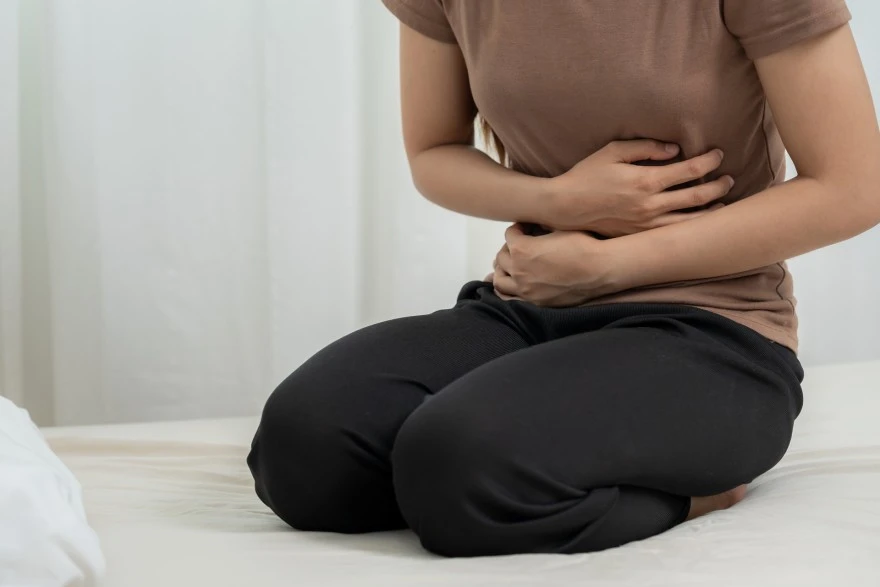
As a woman, experiencing stomach pain can be worrying and uncomfortable. Abdominal pain in women can stem from various causes, ranging from harmless menstrual cramps to potentially serious conditions like endometriosis or ovarian cysts. Understanding the different types of stomach pain - female and recognising warning signs is crucial for knowing when to seek medical advice and testing. This article will explore 7 common causes of lower abdominal pain in females, their symptoms, and when to get evaluated.
7 Common Types of Stomach Pain - Female
Women are prone to unique types of abdominal pain due to their reproductive organs and hormonal changes. Here are the seven types of stomach pain - female:
Menstrual Cramps (Dysmenorrhea)
Menstrual cramps, medically known as dysmenorrhea, are a very common type of lower abdominal pain in females. These crampy or throbbing pains occur before or during menstruation, caused by uterine contractions triggered by prostaglandins.
Symptoms
- Cramping, aching, or throbbing pain in the lower abdomen
- Pain may radiate to the lower back and thighs.
- Nausea, diarrhea, fatigue, or headache may accompany cramps.
- Symptoms typically start 1-2 days before a period and last 2-4 days
When to worry
While menstrual cramps are normal, certain signs warrant medical attention:
- Severe pain not relieved by over-the-counter painkillers.
- Cramps that last longer than usual or worsen over time
- Sudden onset of painful periods after years of painless ones
- Heavy menstrual bleeding, fever, or vaginal discharge
If you experience any of these symptoms, consult your doctor to rule out underlying issues like endometriosis, fibroids, or pelvic infections.
Tests & Diagnosis
Diagnosing menstrual cramps usually involves a pelvic exam and reviewing your symptoms and menstrual history. If your doctor suspects an underlying condition, they may recommend additional tests:
- Pelvic ultrasound to check for structural abnormalities.
- Laparoscopy, a minimally invasive surgical procedure, is used to diagnose endometriosis.
Ovulation Pain (Mittelschmerz)
Mittelschmerz is a German term meaning "middle pain". It refers to the brief, one-sided lower abdominal pain in females that they experience during ovulation, about 14 days before their period.
Symptoms
- Sudden, sharp, or cramping pain on one side of the lower abdomen
- Pain may switch sides from month to month.
- Discomfort lasts a few minutes to a couple of days.
- Vaginal discharge or light spotting may occur
When to worry
In most cases, ovulation pain is not a cause for concern. However, see your doctor if you have:
- Severe pain that lasts more than a few days
- Painful ovulation accompanied by fever, chills, or vomiting
- Ovulation pain, and you have a history of endometriosis or pelvic infections.
These symptoms could indicate a ruptured ovarian cyst, ovarian torsion, or another complication that requires prompt medical care.
Tests & Diagnosis
Ovulation pain is usually diagnosed based on its timing in your cycle and any accompanying symptoms. If the abdominal pain is severe or persists, your doctor may perform a pelvic exam and ultrasound to check for conditions like ovarian cysts that can cause painful ovulation.
Endometriosis
Endometriosis is a chronic disorder where tissue similar to the uterine lining (endometrium) grows outside the uterus. This misplaced tissue can cause inflammation, scarring, and abdominal pain, especially during menstruation.
Symptoms
- Painful periods (dysmenorrhea)
- Chronic pelvic pain, often worse during menstruation.
- Pain during or after sex, bowel movements, or urination
- Heavy menstrual bleeding or spotting between periods
- Infertility or difficulty getting pregnant.
When to worry
If you consistently have very painful periods or pelvic pain that interferes with your daily life, it's important to see your doctor. Risk factors that warrant prompt evaluation include:
- Family history of endometriosis
- Pelvic pain that began in adolescence
- Painful intercourse or bowel movements
- Difficulty conceiving
Tests & Diagnosis
Diagnosing endometriosis may involve:
- Pelvic exam to check for abnormalities or tender areas
- Ultrasound or MRI to visualise endometrial implants
- Laparoscopy, the gold standard for diagnosis, is used to visualise and biopsy endometrial tissue.
Pelvic Inflammatory Disease (PID)
Pelvic inflammatory disease (PID) is an infection of the female reproductive organs, often caused by untreated sexually transmitted infections (STIs) like chlamydia or gonorrhoea. PID can cause chronic lower abdominal pain in females, scarring of reproductive organs, and infertility if not treated promptly.
Symptoms
- Dull or sharp pain in the lower abdomen or pelvis
- Abnormal vaginal discharge with an unpleasant odor
- Pain or bleeding during intercourse
- Burning sensation when urinating
- Fever, chills, or vomiting (signs of severe infection)
When to worry
Seek immediate medical care if you have symptoms of PID, especially if you:
- Have a fever higher than 101°F (38.3°C)
- Are vomiting and can't keep fluids down
- Have severe pelvic pain or pain that's getting worse
- Had recent unprotected sex or a new sexual partner
Prompt treatment with antibiotics is essential to prevent long-term complications like chronic pain, ectopic pregnancy, and infertility in various types of stomach pain - females.
Tests & Diagnosis
To diagnose PID, your doctor will likely:
- Perform a pelvic exam to check for cervical discharge, uterine tenderness, or pelvic masses.
- Test vaginal fluid and urine samples for STIs
- Order blood tests to check for infection and rule out other causes
- Use ultrasound to visualise your reproductive organs and look for abscesses.
Irritable Bowel Syndrome (IBS)
Irritable bowel syndrome (IBS) is a common digestive disorder that affects the large intestine, causing abdominal pain, bloating, and changes in bowel habits. IBS is more common in women and symptoms can be influenced by stress, diet, or hormonal fluctuations.
Symptoms
- Crampy abdominal pain that improves after a bowel movement
- Bloating and excess gas
- Diarrhea, constipation, or alternating bouts of both
- Mucus in the stool
- Feeling like you haven't completely emptied your bowels
When to worry
While IBS doesn't damage the intestines, its symptoms can significantly impact quality of life. See your doctor if you have:
- Persistent changes in bowel habits
- Abdominal pain that interferes with daily activities
- Unexplained weight loss, rectal bleeding, or anaemia
- Symptoms that began after age 50
These signs could indicate a more serious condition like inflammatory bowel disease or colon cancer.
Tests & Diagnosis
There's no single test for IBS. Instead, doctors diagnose it based on your symptoms using the Rome criteria. To rule out other digestive disorders, your doctor may recommend:
- Blood tests to check for anaemia, celiac disease, or thyroid problems
- Stool tests to look for infections or inflammatory markers
- Colonoscopy or a CT scan if you have warning signs like bleeding
Ovarian Cysts
Ovarian cysts are fluid-filled sacs that develop on or inside the ovaries. While most ovarian cysts are harmless and disappear on their own, some can cause pelvic pain, especially if they rupture or cause the ovary to twist (ovarian torsion).
Symptoms
- Dull or sharp pain on one side of the lower abdomen
- Pelvic pressure or bloating
- Pain during sex or your period
- Abnormal vaginal bleeding
- Sudden, severe pelvic pain (sign of rupture or torsion)
When to worry
See your doctor right away if you have:
- A sudden, severe abdominal or pelvic pain
- Pain with fever and vomiting
- Dizziness, weakness, or signs of shock
- Rapid breathing or heart rate
These symptoms could signal a ruptured cyst or ovarian torsion, which can have serious complications if not treated promptly.
Tests & Diagnosis
To diagnose an ovarian cyst, your doctor may:
- Perform a pelvic exam to feel for a cyst.
- Use ultrasound to visualize the cyst's size and location.
- Order blood tests to check for signs of bleeding or infection
- Do a laparoscopy to examine the cyst if it looks concerning.
Urinary Tract Infections (UTIs)
Urinary tract infections (UTIs) occur when bacteria enter the urinary system, causing infection and inflammation. UTIs are very common in women due to their shorter urethra. If left untreated, the infection can ascend to the kidneys (pyelonephritis), which can be serious.
Symptoms
- A strong, persistent urge to urinate
- Burning sensation when urinating
- Passing frequent, small amounts of urine
- Cloudy, dark, or bloody urine
- Pelvic pain, especially in the center of the pelvis and around the pubic bone
When to worry
Contact your doctor if you have:
- Symptoms of a UTI that last more than a few days
- Blood in your urine
- Back pain, fever, chills, or vomiting
- A history of frequent UTIs or antibiotic-resistant infections
Prompt treatment with antibiotics can prevent the infection from spreading and causing complications like kidney damage or sepsis.
Tests & Diagnosis
To diagnose a UTI, your doctor will likely:
- Analyze a urine sample to look for bacteria, blood, or pus.
- Send the sample for a urine culture to identify the specific bacteria.
- Order imaging tests like an ultrasound or CT scan if you have frequent infections, which may indicate an abnormality in your urinary tract.
When to See a Doctor
While occasional lower abdominal pain in females is often not serious, certain symptoms warrant immediate medical attention. Seek prompt care if you have:
- Severe, persistent, or worsening abdominal pain
- Stomach pain accompanied by fever, vomiting, or bloody stools.
- Sudden, sharp abdominal pain that spreads to your back or shoulder
- Yellowing of your skin and eyes (jaundice)
- Swelling or tenderness in your abdomen
- Chest pain or pressure
- Difficulty breathing or dizziness.
Conclusion
Types of stomach pain - females can have many different causes, from harmless menstrual cramps to potentially serious conditions like ectopic pregnancy or appendicitis. Knowing the common types of abdominal pain and their warning signs can help you determine when to seek medical advice and testing. If you experience severe, persistent, or worrying symptoms, don't hesitate to consult your doctor.
At Metropolis Healthcare, we understand the importance of accurate and timely testing for women's health concerns. Our team of skilled technicians offers convenient at-home sample collection for a range of diagnostic tests, including blood tests, urine analysis, and more. With our state-of-the-art labs and commitment to personalised care, we're here to help you take control of your health and well-being.
FAQs
When should I go to the ER for stomach pain?
Go to the emergency room if you experience severe, sudden abdominal pain accompanied by fever, vomiting, or bloody stools. These symptoms may indicate a serious condition like appendicitis or a ruptured ovarian cyst.
Can stress cause stomach pain?
Yes, stress and anxiety can cause physical symptoms like stomach pain, bloating, and changes in bowel habits. Managing stress through techniques like deep breathing, exercise, and mindfulness can help alleviate these symptoms.
How do I know if it's my ovaries or intestines hurting?
Ovarian pain is usually felt on one side of the lower abdomen and may be associated with other symptoms like irregular periods or pain during intercourse. Intestinal pain is often more generalised and may be accompanied by bloating, gas, or changes in bowel habits.
What's the difference between endometriosis and PCOS pain?
Endometriosis pain is typically cyclical, worsening during menstruation, and may be accompanied by heavy bleeding or painful intercourse. PCOS usually causes irregular periods and pelvic discomfort from enlarged ovaries, along with symptoms like acne, weight gain, and excess hair growth.
How to know if stomach pain is serious?
Lower abdominal pain in females that is severe, persistent, or accompanied by other symptoms like fever, vomiting, or bloody stools may indicate a serious condition and requires prompt medical attention.
Can constipation cause upper abdominal pain?
Yes, constipation can cause discomfort and bloating that may be felt in the upper abdomen. Increasing your fibre intake, staying hydrated, and engaging in regular physical activity can help prevent and alleviate constipation.
References
• https://my.clevelandclinic.org/health/symptoms/4167-abdominal-pain
• https://www.mayoclinic.org/diseases-conditions/menstrual-cramps/symptoms-causes/syc-20374938
• https://www.hopkinsmedicine.org/health/conditions-and-diseases/pelvic-inflammatory-disease-pid
• https://www.niddk.nih.gov/health-information/digestive-diseases/irritable-bowel-syndrome
• https://www.nhs.uk/symptoms/stomach-ache/