Home Visit
 Upload






Preventive Healthcare
Shigella Infection: Causes, Symptoms, and Treatment
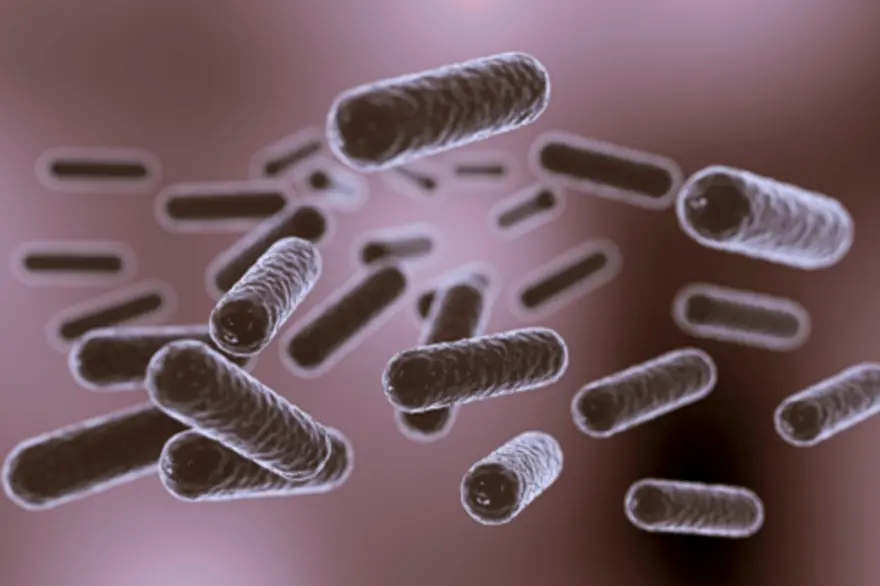
Table of Contents
What is Shigella Infection?
Shigella infection, also known as shigellosis, is an acute intestinal disease caused by a group of bacteria called Shigella. These bacteria specifically target your digestive system, causing inflammation in the intestines that leads to painful symptoms. The infection primarily affects the colon and can cause significant discomfort, including severe diarrhea, fever, and abdominal cramping.
What makes Shigella particularly concerning is its high infectivity rate. Unlike many other bacterial infections, it takes only a small number of Shigella bacteria (as few as 10 to 100 organisms) to cause illness. According to the CDC, the illness typically develops within 1–2 days after exposure to Shigella bacteria.
While most healthy adults recover within 5–7 days without treatment, the infection can be particularly severe in young children, elderly individuals, and those with weakened immune systems. In these vulnerable groups, complications such as severe dehydration or kidney damage may develop if proper medical care isn't received promptly.
Causes of Shigella Infection
The primary cause of Shigella infection is ingesting the Shigella bacteria through contaminated sources. These bacteria thrive in the human intestinal tract and spread when infected fecal matter contaminates food, water, or surfaces. Poor hygiene practices, particularly inadequate handwashing after using the toilet, create ideal conditions for bacterial transmission.
Consuming food prepared by someone with unwashed hands, drinking untreated water, or eating raw vegetables irrigated with contaminated water can all lead to infection. Additionally, person-to-person transmission occurs frequently in households, daycare centers, and institutional settings where close contact is common.
Areas with inadequate sanitation facilities, overcrowded living conditions, or limited access to clean water see higher infection rates. During monsoon seasons in India, when flooding can contaminate water supplies, the risk of Shigella outbreaks increases significantly.
How is Shigella Spread?
Shigella spreads primarily through the fecal-oral route, meaning the bacteria travel from an infected person's stool to another person's mouth. When infected individuals don't wash their hands properly after using the toilet, they can contaminate everything they touch, such as doorknobs, food, utensils, and other surfaces.
Direct person-to-person contact represents the most common transmission route for Shigella. Additionally, swimming in contaminated pools or lakes, consuming ice made from untreated water, or eating food washed in contaminated water can all lead to infection. Even flies can spread Shigella bacteria by landing on infected feces and then contaminating food.
Symptoms of Shigella Infection
The symptoms typically begin one to three days after exposure and can vary in severity:
- Diarrhea: Often starts watery but quickly becomes bloody and mucoid.
- High fever: Usually ranging from 38–40°C.
- Severe abdominal cramps: Sharp, stabbing pains that worsen before bowel movements.
- Tenesmus: Painful, constant urge to defecate even when bowels are empty.
- Nausea and vomiting: More common in children than adults.
- Dehydration signs: Dry mouth, decreased urination, dizziness, and extreme thirst.
- General weakness: Fatigue and malaise that persists throughout the illness.
When to Seek Medical Help for Shigella
While many cases of Shigella resolve without medical intervention, certain warning signs indicate the need for immediate medical attention. If you experience persistent diarrhea lasting more than three days, bloody stools, or signs of severe dehydration, don't delay seeking help. A high fever above 39°C (102°F), especially in children, warrants prompt medical evaluation, as it may indicate a more severe infection.
Young children, elderly individuals, and those with compromised immune systems face higher risks of complications from Shigella. In these vulnerable groups, even mild symptoms should prompt medical consultation. Watch for signs like lethargy, confusion, or reduced responsiveness, which might indicate severe dehydration or other complications.
Examination and Diagnostic Tests for Shigella
Accurate diagnosis ensures appropriate Shigella treatment and helps prevent spread. Your doctor will start with a detailed history and physical examination, focusing on your symptoms and potential exposure sources.
Essential diagnostic tests include:
- Stool Routine Test: This primary diagnostic tool examines your stool sample for the presence of Shigella bacteria and helps determine the specific type of infection.
- BioFire Blood Panel: An advanced molecular diagnostic test that can quickly identify Shigella and other pathogens causing gastrointestinal symptoms.
- Complete Blood Count (CBC) Test: Evaluates your overall health status, checking for signs of infection, inflammation, and anemia that may result from prolonged diarrhea.
- Electrolytes Test: Measures essential minerals in your blood to assess dehydration severity and guide fluid replacement therapy.
- OT Microbiological Surveillance Panel, Bacterial and Fungal: Comprehensive screening that helps identify multiple infectious agents, useful when symptoms are severe or atypical.
- Culture & Sensitivity - Aerobic Bacteria Stool Test: Not only confirms Shigella presence but also determines which antibiotics will be most effective for treatment.
Treatment for Shigella Infection
Effective Shigella treatment focuses on managing symptoms and preventing complications. The approach varies based on infection severity:
- Oral rehydration therapy (ORS): Mix oral rehydration solution (ORS) packets in clean water and sip small amounts frequently throughout the day to replace lost fluids and electrolytes. For severe dehydration, hospitalization for intravenous fluids may be necessary.
- Antibiotic therapy: Prescribed for severe cases, high-risk patients, or to prevent spread in institutional settings.
- Dietary modifications: Start with clear liquids, gradually progressing to bland foods as symptoms improve.
- Symptom management: Your doctor may prescribe medicines for fever and body aches. Avoid anti-diarrheal medications, as they can worsen Shigella infection by slowing bacterial elimination.
- Rest and isolation: Stay home from work or school until 48 hours after diarrhea stops to prevent spreading infection to others.
Preventing Shigella Infection
- Wash hands thoroughly: Use soap and water for at least 20 seconds, especially after using the toilet, changing diapers, and before preparing or eating food.
- Practice safe food handling: Cook foods to proper temperatures, avoid cross-contamination, and refrigerate perishables promptly.
- Drink safe water: Use only treated or boiled water in areas where water quality is questionable.
- Avoid swallowing water: When swimming in pools, lakes, or other recreational waters that might be contaminated.
- Disinfect surfaces regularly: Particularly in bathrooms and kitchens, using appropriate cleaning products.
- Practice safe intimate contact: Be aware that oral-anal contact can transmit Shigella bacteria.
- Stay home when ill: If you have diarrhea, avoid preparing food for others and limit close contact until symptoms resolve.
Shigella in Children
Children face unique challenges with Shigella infection due to their developing immune systems that increase exposure risk. Young children frequently put hands and objects in their mouths, making them particularly vulnerable to Shigella bacteria. The infection often spreads rapidly in daycare settings where children share toys and have close contact during play activities.
In children, Shigella symptoms can progress more rapidly than in adults, with dehydration developing within hours rather than days. High fever associated with Shigella can trigger febrile seizures in some children; these are generally harmless but should be evaluated by a doctor, even though they can be frightening for parents. Parents should monitor their child's fluid intake carefully, offering small, frequent sips of ORS or clear fluids to prevent dehydration.
Complications of Shigella Infection
While most people recover completely, Shigella can cause serious complications requiring medical intervention:
- Severe dehydration: Can lead to shock and organ failure if untreated.
- Hemolytic uremic syndrome (HUS): A rare but serious condition causing kidney damage.
- Toxic megacolon: Severe inflammation causing the colon to dilate dangerously.
- Reactive arthritis: Joint pain and swelling developing weeks after infection.
- Seizures: Particularly in young children with high fever.
- Septicemia: When Shigella bacteria enter the bloodstream, particularly dangerous for immunocompromised individuals.
- Intestinal perforation and peritonitis: Rare but life-threatening complications requiring emergency surgery.
- Chronic malnutrition: Following prolonged illness in children.
Shigella Infection vs. Other Gastrointestinal Infections
Distinguishing Shigella from other gastrointestinal infections requires careful attention to specific symptoms. Unlike viral gastroenteritis, which typically causes watery diarrhea without blood, Shigella often produces bloody stools with severe cramping. The presence of high fever and tenesmus also helps differentiate Shigella from common stomach bugs.
Laboratory testing, including stool culture or PCR, remains essential for definitive diagnosis. Other bacterial infections like Salmonella or E. coli can present similarly, but each requires different treatment approaches. Shigella's characteristic combination of bloody diarrhea, fever, and severe abdominal pain, along with its high contagiousness, sets it apart from other intestinal infections.
At Metropolis Healthcare, we understand the anxiety that comes with digestive symptoms and the need for quick, accurate answers. Our comprehensive diagnostic services of over 4000 tests include advanced stool culture and PCR testing to rapidly identify Shigella bacteria and other intestinal pathogens. With our convenient at-home sample collection service spanning over 10,000 touchpoints across India, you can access critical testing without leaving your home during illness.
FAQs
What are the first signs of Shigella?
The first signs of Shigella typically include sudden onset of watery diarrhea, abdominal cramps, and fever within 1–3 days of exposure. Many people initially experience urgency and frequent bowel movements before the characteristic bloody stools appear.
How is Shigella diagnosed?
Shigella diagnosis requires laboratory testing of stool samples through culture or PCR methods. Blood culture may be performed if systemic infection is suspected. Your doctor will order specific tests based on your symptoms and medical history.
Can Shigella cause death?
While most people recover fully, severe Shigella can cause life-threatening dehydration or complications like kidney damage, especially in young children, the elderly, or immunocompromised individuals, requiring prompt medical attention.
How long does it take to recover from Shigella?
Most healthy individuals recover from Shigella within 5-7 days without treatment. However, antibiotic therapy can shorten illness duration. Some people may experience lingering digestive issues for several weeks after the acute infection resolves.
References
- https://my.clevelandclinic.org/health/diseases/17826-shigellosis
- https://www.cdc.gov/Shigella/signs-symptoms/index.html
- https://www.ncbi.nlm.nih.gov/books/NBK482337/
- https://www.nhsinform.scot/illnesses-and-conditions/infections-and-poisoning/Shigella/
- https://www.healthdirect.gov.au/Shigella-bowel-infection