Home Visit
 Upload






Preventive Healthcare
National Girl Child Day: Important Health Screenings for Growth & Development
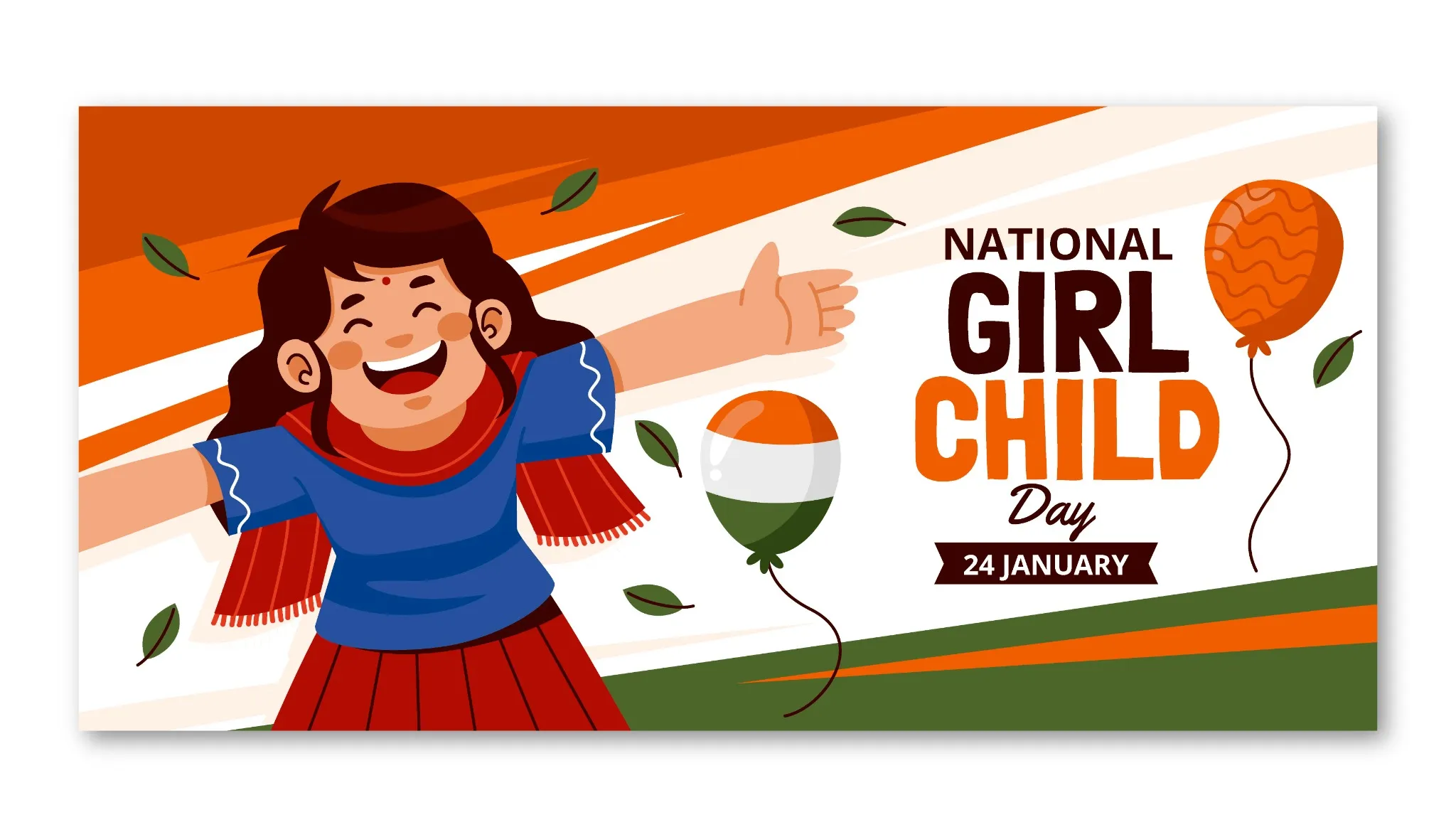
Table of Contents
- What is National Girl Child Day, and Why is It Observed?
- Why Prioritising Girls' Health Matters
- Common Health Challenges Faced by Girls in India
- Importance of Preventive Health Tests for Girls
- Health Tests for Girls at Different Life Stages
- Health Tests for Young Girls (0–12 Years)
- Health Tests for Adolescent Girls (13–19 Years)
- Health Tests for Adult Women (20+ Years)
- National Girl Child Day 2026: Empowering Girls Through Health
- FAQs
What is National Girl Child Day, and Why is It Observed?
National Girl Child Day has been observed in India since 2008 on January 24 every year. It was launched by the Ministry of Women and Child Development to address critical issues affecting girls nationwide. The The history of National Girl Child Day reflects growing awareness of gender-based inequalities in health care, education, and social opportunities.
This significant day aims to tackle challenges, including female foeticide, child marriage, limited healthcare access, and educational barriers. National Girl Child Day 2026 will continue highlighting these vital issues while celebrating progress made in girls' rights and welfare. The day reinforces government initiatives such as Beti Bachao, Beti Padhao, encouraging families and communities to ensure every girl grows up healthy, educated, and safe. The National Girl Child Day theme consistently emphasises equal opportunities, health, and education for girls.
Why Prioritising Girls' Health Matters
Girls' health during childhood and adolescence significantly influences their adult well-being, educational achievements, and economic potential. Research shows that healthier girls are more likely to stay in school, delay early marriage, and raise healthier children themselves, creating positive intergenerational effects.
Unfortunately, girls often face unique health challenges, including undernutrition, anemia, and limited access to health care. Social barriers can delay diagnosis and treatment, making preventive screening even more crucial. Adolescent girls particularly need increased nutritional support due to rapid growth and menstruation, making them vulnerable to anemia and stunted growth without proper care.
By prioritising girls' health through regular screenings and preventive care, we can identify issues early and provide timely interventions that support optimal growth and development.
Common Health Challenges Faced by Girls in India
- Undernutrition and stunting: Chronic undernutrition leads to poor growth, weakened immunity, and increased infection risk.
- Iron-deficiency anaemia: Extremely common in adolescent girls due to rapid growth, menstruation, and inadequate iron intake.
- Vitamin D and calcium deficiency: Contribute to poor bone development and later osteoporosis risk.
- Menstrual health problems: Irregular periods, heavy bleeding, and painful menstruation affect school attendance.
- Mental health concerns: Rising rates of depression, anxiety, and body image issues among adolescent girls.
- Reproductive health issues: Early marriage, teenage pregnancy, and lack of reproductive health education.
- Delayed diagnosis of chronic conditions: Limited access to healthcare can delay identification of conditions like thyroid disorders, diabetes, and heart problems.
Importance of Preventive Health Tests for Girls
Preventive health screening helps detect growth delays, nutritional deficiencies, infections, and emerging chronic diseases before they become serious problems. Early identification allows for timely interventions that can significantly improve outcomes and quality of life.
Regular screening for growth parameters, vision, hearing, anaemia, and other conditions enables healthcare providers to track development and identify any concerns promptly. Preventive care also includes vaccination, dental checkups, mental health screening, and counselling on nutrition for girls and healthy lifestyle habits.
These comprehensive approaches help girls reach their full physical, cognitive, and emotional potential while establishing healthy habits that benefit them throughout life.
Health Tests for Girls at Different Life Stages
Health needs change significantly across different life stages, making age-specific screening strategies essential. During early childhood (0-12 years), the focus centres on growth monitoring, developmental milestones, immunisation, and screening for congenital disorders.
Adolescence (13-19 years) brings new requirements, including tests for anaemia, nutritional status, menstrual disorders, thyroid function, and mental health in girls. This crucial period requires particular attention to reproductive health education and screening.
In adulthood (20+ years), women need regular assessments for blood pressure, blood glucose, lipids, cervical cancer screening, breast health, and bone density. Aligning screening programmes with life stages helps prevent disease progression while supporting healthy development at every phase.
Health Tests for Young Girls (0–12 Years)
- Growth and development monitoring: Regular measurement of weight, height, head circumference, and BMI plotted on growth charts to detect nutritional issues or growth disorders.
- Vision and hearing screening: Periodic checks to identify refractive errors, hearing loss, or other sensory impairments that could affect learning.
- Immunisation review: Ensuring completion of vaccines, including DPT Antibodies Profile, Poliovirus, Serum, HBV (Hepatitis B Virus) Combo Profile - 1, Measles (Rubeola) Virus - IgG antibody, and others per national schedule.
- Anaemia screening: Hemoglobin (Hb) tests in areas with high anaemia prevalence or when symptoms like fatigue or pallor are present.
- Dental checkups: Regular examinations to prevent tooth decay and gum disease, and identify orthodontic needs.
- General physical examination: Assessment of heart, lungs, abdomen, spine, and overall physical development, including Vitamin D and calcium evaluations.
Health Tests for Adolescent Girls (13–19 Years)
- Routine physical assessment: Height, weight, BMI, and blood pressure monitoring to track growth and identify potential issues.
- Anaemia screening: Regular Anemia Profile–Mini Test, particularly important for menstruating girls who may develop iron deficiency.
- Thyroid Profile or Thyroid Comprehensive Profile: Recommended when there are symptoms like weight changes, fatigue, or menstrual irregularities.
- Menstrual health evaluation: Assessment of cycle regularity, heavy or painful periods, and symptoms suggesting conditions like PCOS (using PCOS Profile–1/2/3).
- Mental health screening: Evaluation for depression, anxiety, self-harm behaviors, and eating disorders.
- Sexual health counselling: Age-appropriate education about reproductive health, consent, and contraception.
Health Tests for Adult Women (20+ Years)
- Cardiovascular screening: Regular blood pressure, cholesterol, and blood glucose monitoring through tests such as the Cardiac Risk Profile, Cholesterol Test, and Fasting Blood Sugar (FBS) Test.
- Cancer screening: HPV Self-Sampling Test Kit for Cervical Cancer Screening, breast self-examination education, and mammography as recommended.
- Bone health assessment: Bone Profile to assess osteoporosis risk, particularly important for postmenopausal women.
- Reproductive health monitoring: Regular gynaecological examinations and family planning counselling.
- Mental health evaluation: Ongoing assessment for depression, anxiety, and stress-related conditions.
National Girl Child Day 2026: Empowering Girls Through Health
As we approach National Girl Child Day 2026, the focus remains on creating comprehensive healthcare systems that support girls throughout their development. The National Girl Child Day 2026 Theme will likely emphasise preventive care, mental health support, and ensuring equal access to quality healthcare services.
Nutrition for girls remains a cornerstone of healthy development, requiring ongoing attention to dietary quality, micronutrient supplementation, and education about balanced nutrition and healthy eating habits. Mental health in girls deserves particular focus, given the rising rates of anxiety and depression among young people. Healthcare providers, families, and communities must work together to ensure every girl receives the screenings and care she needs to reach her full potential.
At Metropolis Healthcare, we understand the importance of accessible, accurate diagnostic services for girls and women. Our comprehensive portfolio of over 4,000 tests includes specialised screenings for anaemia, thyroid disorders, nutritional deficiencies, and other conditions commonly affecting girls. With our extensive network of 10,000+ touchpoints across India, we provide convenient at-home sample collection directly to your doorstep, ensuring comfort and privacy, especially for sensitive health screenings.
FAQs
Why is National Girl Child Day celebrated?
National Girl Child Day raises awareness about girls' rights, health, and education, and addresses gender discrimination and unequal opportunities.
What health problems are common in girls?
Common issues include anaemia, undernutrition, menstrual problems, mental health concerns, and delayed diagnosis of chronic conditions.
Which blood tests are important for adolescent girls?
- Complete blood count
- Thyroid function tests (TSH, T4)
- Blood glucose levels
- Vitamin D and B12 levels
- Iron studies (serum ferritin, TIBC, and transferrin saturation)
Why is anaemia common among girls?
Anaemia occurs frequently due to rapid growth, menstrual blood loss, inadequate iron intake, and poor iron absorption.
How often should girls get health checkups?
Annual comprehensive health check-ups are recommended, with more frequent monitoring if specific health concerns or risk factors are present.
Are health tests necessary if a girl feels healthy?
Yes, preventive screening can detect early signs of illness before symptoms appear, enabling timely intervention and better outcomes.