Home Visit
 Upload






Preventive Healthcare
Heartburn: Anatomy, Function & Common Problems
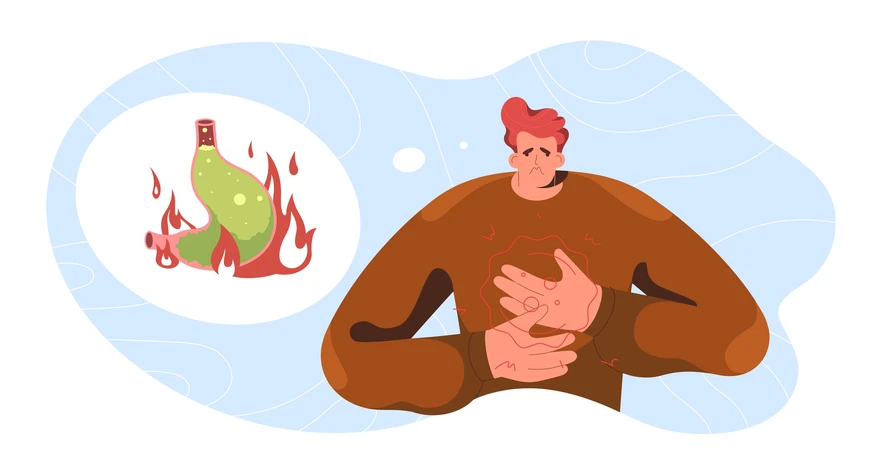
Table of Contents
- What Is Heartburn?
- How Does the Digestive System Work?
- Anatomy of the oesophagus and Stomach
- What Causes Heartburn?
- Symptoms of Heartburn
- Diagnosis of Heartburn
- Imaging and Diagnostic Tests to Identify the Cause of Heartburn
- Treatment for Heartburn
- Managing Heartburn with Diet
- What Is GERD (Gastroesophageal Reflux Disease)?
- What to Do if Heartburn Gets Worse
- Conclusion
- FAQs
- References
What Is Heartburn?
Heartburn is a burning sensation in the chest caused when stomach acid flows back into the oesophagus. Despite its name, heartburn has nothing to do with the heart. Instead, it results from acid reflux, usually triggered after meals, lying down, or eating certain foods. Mild and occasional heartburn is common, but frequent or severe symptoms may indicate an underlying digestive issue like GERD.
How Does the Digestive System Work?
Your digestive system breaks down food and moves it through the gastrointestinal tract with the help of coordinated muscle movements. After swallowing, food travels down the oesophagus into the stomach, where acids and enzymes help with digestion. A valve at the lower end of the oesophagus, the lower oesophageal sphincter (LES), acts like a door, ensuring food enters the stomach and preventing acid from flowing upward. Heartburn occurs when this valve weakens or relaxes at the wrong time.
Anatomy of the oesophagus and Stomach
Understanding the anatomical structures involved helps explain what causes heartburn and how heartburn treatment works effectively:
• oesophagus: A muscular tube lined with protective mucus that moves food from the throat to the stomach through coordinated contractions called peristalsis.
• lower oesophageal sphincter (LES): A circular muscle band at the oesophagus's bottom that controls food entry into the stomach and prevents acid reflux.
• Stomach: A hollow, expandable organ with thick muscular walls that churns food and secretes acid and enzymes for digestion.
• Gastric Mucosa: The stomach's inner protective lining that produces mucus to shield itself from its own acid.
• Diaphragm: The muscle separating the chest and abdominal cavities, with a small opening (hiatus) through which the oesophagus passes.
• Pyloric Sphincter: The muscle controlling food movement from the stomach to the small intestine, helping regulate stomach emptying.
What Causes Heartburn?
Heartburn is usually caused by acid reflux. This occurs when the LES relaxes improperly, allowing stomach acid to flow into the oesophagus. Common causes include:
- Eating large or heavy meals
- Lying down immediately after eating
- Spicy, acidic, or fried foods
- Caffeine, alcohol, or carbonated drinks
- Smoking
- Obesity, which increases abdominal pressure
- Certain medications
- Heartburn during pregnancy is due to hormonal changes and pressure on the stomach.
Connection Between Heartburn and Heart Disease
While heartburn itself is not heart disease, chest discomfort can sometimes be confused with cardiac symptoms. Heart conditions like heart disease, heart attack, and even blood pressure fluctuations may cause chest pain that resembles heartburn. Always seek immediate medical attention if you are unsure whether the pain is heart-related.
Symptoms of Heartburn
Recognising heartburn symptoms helps you identify when you're experiencing acid reflux and need appropriate heartburn treatment. The most common symptoms include:
• Burning chest pain: Usually behind the breastbone, often described as a fire-like sensation.
• Sour or bitter taste: Acid reaching your mouth creates an unpleasant metallic or acidic flavour.
• Throat irritation: Burning or scratchy feeling in your throat, sometimes with hoarseness.
• Regurgitation: Feeling of food or liquid coming back up into your throat or mouth.
• Difficulty swallowing: Sensation of food sticking in your chest or throat.
• Chronic cough: Persistent dry cough, particularly at night.
• Chest pressure: Feeling of tightness or pressure in the chest area.
• Worsening symptoms when lying down: Pain intensifies when lying horizontally or bending over.
The NHS reports that heartburn and acid reflux often present with burning chest discomfort and a sour taste and may also cause persistent cough, hoarseness, bad breath, bloating, or nausea, which tend to worsen after eating, during pregnancy, with certain foods, or when lying down.
Heartburn vs. Heart Attack
Distinguishing between heartburn and heart attack symptoms can be challenging, but several key differences help:
• Pain quality: Heartburn creates burning pain; heart attacks cause crushing, squeezing, or pressure sensations.
• Location: Heartburn pain typically stays behind the breastbone; heart attack pain may radiate to the arms, jaw, or back.
• Triggers: Heartburn often follows meals; heart attacks may occur during exertion or stress.
• Relief: Antacids usually help heartburn; they don't relieve heart attack symptoms.
• Associated symptoms: Heartburn may include sour taste or regurgitation; heart attacks often involve sweating, nausea, or shortness of breath.
• Duration: Heartburn symptoms may last hours; heart attack symptoms are often sudden and severe.
Diagnosis of Heartburn
Healthcare providers typically diagnose heartburn through a systematic approach:
- Medical history review: Your doctor will ask about symptom frequency, severity, triggers, and timing to understand your heartburn pattern.
- Physical examination: A thorough examination focusing on your chest, abdomen, and throat to identify any physical abnormalities.
- Symptom diary analysis: Keeping track of when heartburn occurs, what triggers it, and what provides relief helps identify patterns.
- Trial of treatment: Often, doctors recommend trying over-the-counter antacids or acid reducers to see if symptoms improve.
- Response evaluation: If basic heartburn treatment provides relief, this supports the diagnosis of acid reflux.
Imaging and Diagnostic Tests to Identify the Cause of Heartburn
When heartburn symptoms are severe, frequent, or don't respond to initial treatment, additional tests may help identify underlying causes:
• Upper endoscopy: A thin, flexible tube with a camera examines your oesophagus and stomach lining for inflammation, ulcers, or other abnormalities.
• Barium swallow X-ray: You drink a chalky liquid that coats your digestive tract, making structural problems visible on X-rays.
• Oesophageal pH Monitoring: A thin probe measures acid levels in your oesophagus over 24 hours to confirm acid reflux.
• Oesophageal Manometry: This test measures the strength and coordination of oesophageal muscles and LES function.
• CT scan or MRI: Advanced imaging may identify hiatal hernias or other structural abnormalities.
Treatment for Heartburn
Effective heartburn treatment involves multiple approaches, from lifestyle modifications to medications:
• Antacids: Over-the-counter options like calcium carbonate or magnesium hydroxide neutralise stomach acid quickly but provide temporary relief.
• H2 receptor blockers: Medications like ranitidine or famotidine reduce acid production for longer-lasting relief.
• Proton pump inhibitors (PPIs): Powerful acid suppressors like omeprazole or esomeprazole provide the strongest acid reduction.
• Prescription medications: Stronger versions of over-the-counter drugs or specialised medications for severe cases.
• Lifestyle modifications: Changes in diet, eating habits, and daily routines often provide significant improvement.
Managing Heartburn with Diet
Dietary modifications represent one of the most effective approaches to heartburn treatment and prevention:
• Avoid trigger foods: Eliminate spicy foods, citrus fruits, tomatoes, chocolate, caffeine, alcohol, and fatty or fried foods.
• Eat smaller, frequent meals: Large meals increase stomach pressure; smaller portions reduce reflux risk.
• Stop eating 3 hours before bedtime: This allows stomach emptying before lying down.
• Opt for complex carbohydrates: Whole grains, vegetables, and legumes provide nutrients without increasing acid production.
• Stay hydrated with water: Avoid carbonated beverages that can increase stomach pressure.
• Chew thoroughly and eat slowly: Proper chewing aids digestion and reduces the likelihood of overeating.
When Heartburn Signals a More Serious Condition
While occasional heartburn is common and manageable, frequent or severe symptoms may indicate gastro-oesophageal reflux disease (GERD or other serious conditions. Warning signs include heartburn occurring more than twice weekly, difficulty swallowing, persistent nausea or vomiting, unexplained weight loss, or blood in vomit or stool.
Chronic heartburn can lead to complications, including oesophagitis (oesophageal inflammation), strictures (narrowing of the oesophagus), Barrett's oesophagus (precancerous changes), and increased risk of oesophageal cancer. These complications underscore the importance of proper evaluation and treatment for persistent symptoms.
If your heartburn doesn't improve with over-the-counter treatments within two weeks, or if you experience alarm symptoms, consult a healthcare provider promptly. Early intervention can prevent complications and improve your quality of life significantly.
Heartburn in Pregnant Women
Heartburn during pregnancy affects up to 80% of expectant mothers, particularly in the second and third trimesters. Hormonal changes relax the lower oesophagealsphincter, while the growing baby increases abdominal pressure, both contributing to acid reflux.
Safe heartburn remedies during pregnancy include eating smaller, frequent meals, avoiding trigger foods, sleeping with your head elevated, and wearing loose-fitting clothing. Many antacids are considered safe during pregnancy, but always consult your healthcare provider before taking any medication.
Heartburn during pregnancy typically resolves after delivery as hormone levels normalise and abdominal pressure decreases. However, severe or persistent symptoms warrant medical evaluation to ensure both maternal and foetal well-being.
Heartburn and Congestive Heart Failure
Patients with congestive heart failure may experience symptoms that mimic or complicate heartburn diagnosis. Fluid retention can increase abdominal pressure, potentially worsening acid reflux. Additionally, some heart medications can relax the lower oesophagealsphincter, increasing heartburn risk.
The relationship between heartburn and congestive heart failure requires careful medical management. Patients should work closely with their healthcare providers to distinguish between cardiac symptoms and acid reflux, ensuring appropriate treatment for both conditions.
If you have congestive heart failure and experience new or worsening chest symptoms, seek medical evaluation promptly to determine whether symptoms represent cardiac issues or digestive problems requiring different treatment approaches.
Heartburn and Chronic Conditions
Several chronic conditions can increase heartburn frequency and severity:
• Diabetes: High blood sugar can slow stomach emptying, increasing reflux risk and making blood pressure management more complex.
• Obesity: Excess weight increases abdominal pressure, pushing stomach contents toward the oesophagus.
• Hiatal hernia: Part of the stomach pushes through the diaphragm, weakening the anti-reflux mechanism.
• Scleroderma: This autoimmune condition can affect oesophageal muscle function.
• Asthma: Acid reflux can trigger asthma symptoms, while some asthma medications may worsen heartburn.
Heartburn Treatment: Lifestyle Changes
Implementing comprehensive lifestyle modifications provides effective, long-term heartburn treatment:
- Maintain a healthy weight: Excess pounds increase abdominal pressure; even modest weight loss can significantly reduce heartburn frequency.
- Quit smoking: Tobacco weakens the lower oesophagealsphincter and increases acid production.
- Elevate your bed's head: Raise the head of your bed 15-20 centimetres to use gravity's help in preventing reflux.
- Wear loose-fitting clothing: Tight belts and clothing increase abdominal pressure.
- Manage stress: Chronic stress can worsen digestive symptoms; try relaxation techniques, exercise, or counselling.
- Exercise regularly: Physical activity aids digestion and weight management, but avoid exercising immediately after meals.
What Is GERD (Gastroesophageal Reflux Disease)?
GERD is a chronic digestive disorder in which stomach acid repeatedly flows back into the oesophagus, causing irritation, inflammation, and long-term damage to its lining. Unlike occasional acid reflux, GERD occurs frequently and may worsen over time.
If untreated, it can lead to complications such as oesophageal ulcers, strictures that make swallowing difficult, or Barrett’s oesophagus, a precancerous condition. Persistent or severe heartburn, especially when it disrupts sleep or daily activities, is a key warning sign of GERD and should be assessed by a healthcare professional.
What to Do if Heartburn Gets Worse
If your heartburn becomes more frequent or intense, simple steps can help reduce symptoms while you seek medical guidance.
- Avoid known trigger foods like spicy, fried, citrus, and high-fat meals that can increase acid reflux.
- Eat smaller, more frequent meals to reduce pressure on the stomach and prevent acid from rising.
- Keep a food and symptom diary to identify patterns, triggers, and reactions to specific foods or habits.
- Stay upright after meals, avoiding lying down for at least 2–3 hours to minimise reflux.
- Consult a gastroenterologist if heartburn becomes frequent, severe, or interferes with your daily routine.
- Review your medications with your doctor, as some medicines can worsen reflux symptoms.
- Get diagnostic tests such as endoscopy, pH monitoring, or imaging if symptoms continue despite lifestyle changes.
Conclusion
Heartburn often occurs due to the way the oesophagus and stomach function, and understanding their anatomy helps identify what triggers this condition. It is common, but persistent symptoms should never be ignored. And timely testing can help prevent complications like GERD or cardiac-related concerns. With lifestyle changes and proper treatment, most people can effectively manage their symptoms. Awareness and early care are key to preventing long-term complications and maintaining digestive health.
Metropolis Healthcare makes this easier with 4,000+ tests, full body checkups, specialty diagnostics, and consistently accurate results. With 10,000+ home collection touchpoints, quick turnaround times, and easy booking via website, app, WhatsApp, or a simple call, Metropolis ensures fast, reliable, and convenient testing whenever you need clarity about your health.
FAQs
What is the difference between heartburn and acid reflux?
Acid reflux is when stomach acid flows upward; heartburn is the burning sensation caused by that reflux.
How do I know if my heartburn is serious?
If it occurs more than twice a week, affects your sleep, causes swallowing problems, or does not improve with medication, seek medical help.
Can heartburn cause chest pain?
Yes. Heartburn can cause chest discomfort, but chest pain should always be evaluated to rule out heart-related issues.
How long can heartburn last?
Heartburn episodes may last from a few minutes to several hours, depending on triggers, meal size, and underlying conditions.
References
- https://www.nhs.uk/conditions/heartburn-and-acid-reflux/
- https://www.healthline.com/health/heartburn
- https://www.webmd.com/heartburn-gerd/understanding-heartburn-basics