Home Visit
 Upload






Preventive Healthcare
Heart Valves: Anatomy, Function & Common Problems
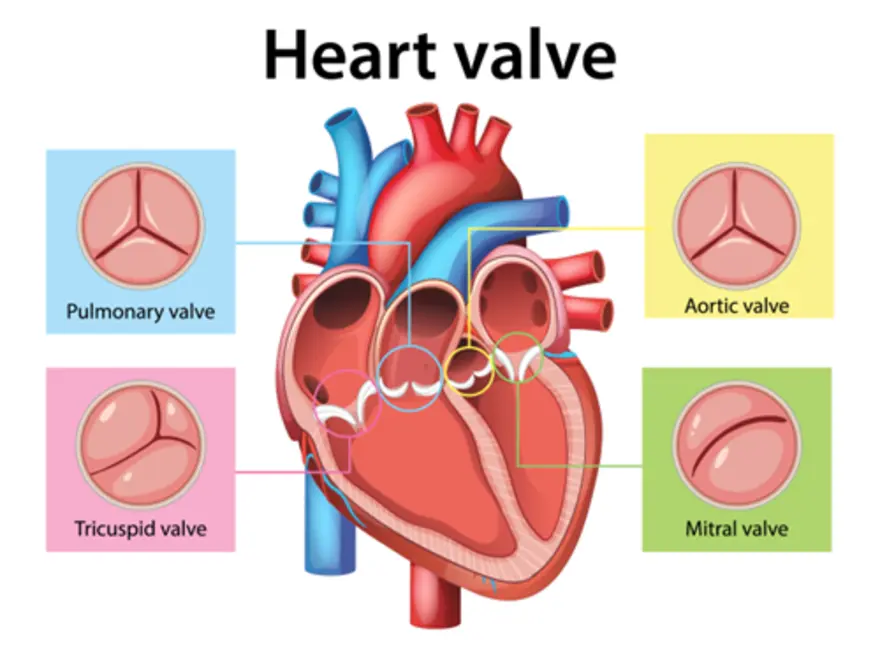
Table of Contents
- What Are Heart Valves?
- Types of Heart Valves
- Heart Valve Anatomy
- How Do Heart Valves Function?
- Common Heart Valve Problems
- Heart Valve Conditions and Heart Disease
- Congestive Heart Failure & Heart Valve Conditions
- Blood Pressure and Heart Valve Health
- How Heart Attack Affects Heart Valves
- Symptoms of Heart Valve Problems
- How Heart Valve Problems Are Diagnosed
- Diagnostic Tests for Evaluating Heart Valves
- Treatments for Heart Valve Problems
- Surgical Options for Heart Valve Conditions
- Prevention of Heart Valve Conditions
- Can Heart Valve Conditions Be Prevented?
- Conclusion
- FAQs
- References
What Are Heart Valves?
Heart valves are specialised structures within your heart that act like one-way doors, opening and closing with each heartbeat to ensure blood flows in the correct direction. These four valves of the heart prevent blood from flowing backwards, maintaining efficient circulation between your heart's chambers and major blood vessels.
Each valve consists of thin but strong flaps called leaflets or cusps, which are anchored to your heart muscle by fibrous cords. When blood pressure increases behind a valve, it opens to allow blood to flow forward. When pressure changes, the valve snaps shut to prevent backflow.
The coordinated function of all heart valves ensures that oxygen-rich blood reaches every part of your body, while deoxygenated blood returns to your lungs. This precise mechanism is fundamental to maintaining healthy blood pressure and overall cardiovascular function.
Types of Heart Valves
- Tricuspid Valve: Located between your right atrium and right ventricle, this valve has three leaflets and controls blood flow from the body returning to your heart.
- Pulmonary Valve: Positioned between your right ventricle and pulmonary artery, it ensures blood flows properly to your lungs for oxygenation.
- Mitral Valve (Bicuspid): Located between your left atrium and left ventricle, this two-leaflet valve regulates the flow of oxygen-rich blood from your lungs.
- Aortic Valve: Situated between your left ventricle and aorta, it controls blood flow to your entire body through the main artery.
Heart Valve Anatomy
Each heart valve features a unique anatomical structure designed for its specific function. The tricuspid and mitral valves are called atrioventricular valves because they separate the atria from the ventricles. These valves have papillary muscles and chordae tendineae—fibrous cords that prevent the valve leaflets from flipping backward during contraction.
The pulmonary and aortic valves are semilunar valves, named for their crescent-shaped leaflets. These valves lack the supporting structures of atrioventricular valves but feature three perfectly formed cusps that create a tight seal when closed.
How Do Heart Valves Function?
During your heart's filling phase (diastole), the tricuspid and mitral valves open as blood flows from your atria into your ventricles. Simultaneously, the pulmonary and aortic valves remain closed to prevent blood from flowing back from your arteries.
When your heart contracts (systole), the atrioventricular valves snap shut to prevent backflow, while the semilunar valves open to allow blood to be pumped out to your lungs and body. This coordinated opening and closing creates the familiar "lub-dub" sound of your heartbeat.
Common Heart Valve Problems
Heart valve disease encompasses several conditions that can affect valve structure and function. The two primary categories are stenosis and regurgitation, each presenting unique challenges for your cardiovascular system.
Stenosis occurs when valve leaflets become thick, stiff, or fused together, creating a narrowed opening that restricts blood flow. This condition forces your heart to work harder to pump blood through the restricted valve, potentially leading to muscle thickening and eventual heart failure.
Regurgitation, also called insufficiency, happens when valve leaflets don't close properly, allowing blood to leak backwards. This creates a volume overload as your heart must pump both the normal amount of blood plus the blood that leaked back, gradually weakening the heart muscle over time.
Heart Valve Conditions and Heart Disease
Heart valve conditions can develop gradually over years or appear suddenly due to infection or injury. When heart valves don't function properly, your entire cardiovascular system must compensate. This compensation can lead to irregular heart rhythms, enlarged heart chambers, and increased risk of blood clots. Over time, untreated valve disease can progress to severe heart disease, affecting your quality of life and longevity.
Congestive Heart Failure & Heart Valve Conditions
When valves don't work efficiently, your heart must work harder to maintain adequate circulation, eventually leading to muscle fatigue and fluid retention. Congestive heart failure develops when your heart can't pump blood effectively enough to meet your body's needs.
Heart valve disease is a leading cause of this condition, as damaged valves create an additional workload that gradually weakens your heart muscle. Symptoms of congestive heart failure include shortness of breath, swelling in your legs and ankles, fatigue, and rapid weight gain due to fluid retention.
Blood Pressure and Heart Valve Health
High blood pressure can damage valve tissue over time, increasing your risk of developing valve disease. Conversely, certain valve conditions can affect your blood pressure readings and regulation.
Aortic stenosis, for example, can cause your systolic blood pressure to appear normal or even low while creating dangerous pressure gradients within your heart. This condition requires careful monitoring, as traditional blood pressure measurements may not reflect the true cardiovascular stress.
How Heart Attack Affects Heart Valves
A heart attack can significantly impact heart valve function, even when the valves themselves aren't directly damaged. The heart muscle damage that occurs during a heart attack can affect the structures supporting your valves, particularly the papillary muscles that control the mitral valve.
When papillary muscles are damaged during a heart attack, the mitral valve may not close properly, leading to sudden regurgitation. This complication can worsen heart failure and complicate recovery from the initial cardiac event.
Symptoms of Heart Valve Problems
- Shortness of breath during normal activities or when lying flat
- Chest pain or discomfort that may worsen with exertion
- Fatigue and weakness that interfere with daily activities
- Swelling in your feet, ankles, legs, or abdomen
- Heart palpitations or irregular heartbeat sensations
- Dizziness or fainting spells, especially during physical activity
- Rapid weight gain due to fluid retention
How Heart Valve Problems Are Diagnosed
Diagnosing heart valve problems begins with a thorough medical history and physical examination. Your doctor will listen to your heart with a stethoscope to detect abnormal sounds called murmurs, which can indicate turbulent blood flow through damaged valves.
The diagnostic process often starts when patients report symptoms or when routine examinations reveal suspicious findings. Your doctor will ask about your symptoms, family history, and risk factors to determine the likelihood of valve disease.
Diagnostic Tests for Evaluating Heart Valves
- Echocardiogram: This ultrasound test provides detailed images of your heart valves in motion, showing how well they open and close.
- Electrocardiogram (ECG): Records your heart's electrical activity to detect rhythm disturbances that might indicate valve problems.
- Chest X-ray: Reveals heart size and shape changes that can result from valve disease.
- Cardiac MRI: Offers highly detailed images of valve structure and function using magnetic fields.
- Cardiac catheterisation: Measures pressures within heart chambers and assesses blood flow through valves.
- Stress testing: Evaluates how your heart and valves function during physical exertion.
Treatments for Heart Valve Problems
- Medications: Help manage symptoms and reduce complications, though they cannot repair damaged valves.
- Lifestyle modifications: Include dietary changes, regular exercise, and blood pressure management.
- Regular monitoring: Through periodic check-ups and imaging studies to track disease progression.
- Minimally invasive procedures, such as balloon valvuloplasty, to open narrowed valves.
- Surgical interventions: Including valve repair or heart valve replacement when conservative treatments are insufficient.
Surgical Options for Heart Valve Conditions
When conservative treatments aren't sufficient, surgical options become necessary. Heart valve replacement involves removing the damaged valve and installing either a mechanical or biological prosthetic heart valve.
Valve repair, when possible, is often preferred over replacement because it preserves your natural valve tissue. Repair techniques include reshaping leaflets, removing excess tissue, or tightening the valve ring to improve function.
According to the NHLBI, biological valves are made from animal tissue (sometimes reinforced with synthetic components) and typically have a shorter lifespan. In contrast, mechanical valves are made from durable materials like carbon and last longer. Modern surgical techniques include minimally invasive approaches such as transcatheter procedures that reduce recovery time and complications.
Prevention of Heart Valve Conditions
While not all heart valve conditions can be prevented, many risk factors are modifiable through lifestyle choices and medical management. Controlling high blood pressure, managing cholesterol levels, and maintaining a healthy weight can help protect your valves from damage.
Preventing infections that can damage heart valves is particularly important. This includes prompt treatment of strep throat infections, which can lead to rheumatic fever and subsequent valve damage. Good dental hygiene also helps prevent bacterial infections that might affect your heart.
Can Heart Valve Conditions Be Prevented?
The preventability of heart valve conditions depends largely on their underlying cause. Congenital valve problems present at birth cannot be prevented, but their complications can often be managed effectively with appropriate medical care.
Acquired valve diseases, which develop over time, may be preventable through lifestyle modifications and risk factor management. Maintaining healthy blood pressure, avoiding smoking, staying physically active, and managing diabetes all contribute to valve health.
Additionally, ensuring proper treatment of strep infections, maintaining good dental hygiene, and following antibiotic prophylaxis recommendations when indicated can help prevent valve damage from infection.
Conclusion
Understanding heart valve function and recognising the signs of valve disease empowers you to take proactive steps in maintaining your cardiovascular health. From recognising early symptoms to understanding treatment options, including heart valve replacement with a prosthetic heart valve, knowledge about valve disease helps you make informed healthcare decisions. Regular health screenings play a crucial role in detecting heart valve disease and related conditions, such as congestive heart failure.
At Metropolis Healthcare, we support your cardiovascular health journey with comprehensive diagnostic services designed around your needs. Our extensive network of over 4,600 service centres ensures convenient access to essential cardiac health screenings, while our home sample collection service brings quality diagnostics directly to you. With more than 4,000 advanced tests available, including specialized Cardiac Screening Test and Cardiac Risk Profile Test, we provide the precise diagnostic information needed to guide your healthcare decisions.
FAQs
What are the signs of heart valve conditions?
Signs include shortness of breath, chest pain, fatigue, swelling in the legs, and irregular heartbeat. Symptoms often worsen with physical activity and may indicate serious valve problems that require medical evaluation.
What is the treatment for heart valve conditions?
Treatment involves medications, lifestyle changes, minimally invasive procedures, or surgery, including valve repair or replacement. Regular monitoring and early intervention are essential for optimal outcomes.
How are heart valve conditions diagnosed?
Diagnosis includes physical examination, listening for murmurs, and tests like echocardiograms, ECGs, chest X-rays, and cardiac catheterisation to assess valve function, structure, and heart health effects.
Can heart valve conditions cause a heart attack?
Heart valve conditions don't directly cause heart attacks, but severe valve disease can strain the heart and increase cardiac complication risks, especially with other heart problems present.
What is the life expectancy with heart valve conditions?
Life expectancy depends on valve problem severity, treatment received, and overall health. With timely medical care, many patients maintain normal life expectancies, though untreated advanced disease may reduce longevity.
References
- https://my.clevelandclinic.org/health/body/17067-heart-valves
- https://www.mayoclinic.org/diseases-conditions/heart-valve-disease/symptoms-causes/syc-20353727
- https://www.hopkinsmedicine.org/health/conditions-and-diseases/heart-valve-diseases
- https://www.nhlbi.nih.gov/health/heart-valve-diseases/treatment
- https://www.nhs.uk/conditions/heart-valve-disease/