Home Visit
 Upload






Preventive Healthcare
Desmoid Tumors: What They Are, Symptoms & Treatment Options
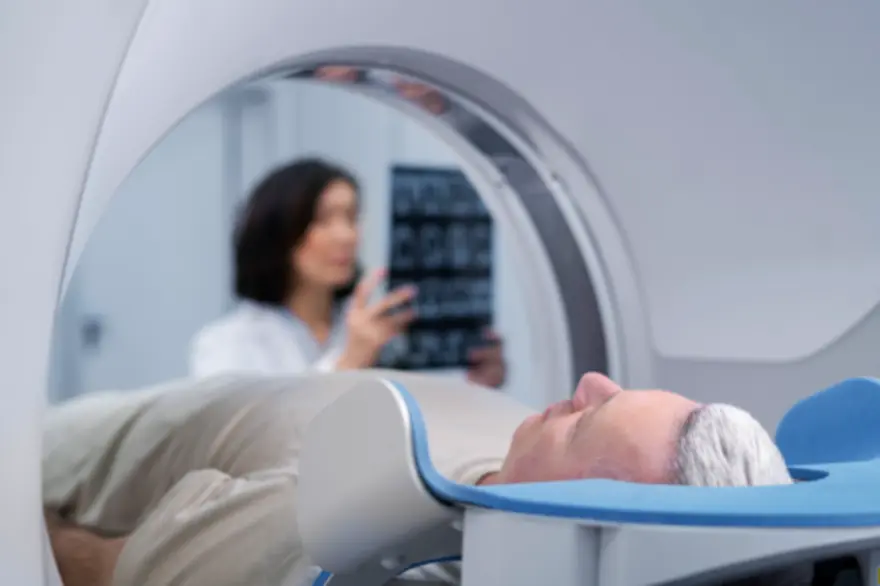
Table of Contents
What Are Desmoid Tumors?
Desmoid Tumors (also called desmoid-type fibromatosis) are rare, non-metastatic soft-tissue growths that arise from fibroblasts within connective tissue. Also known as aggressive fibromatosis, these Tumors form when fibroblast cells multiply abnormally, creating masses that can invade surrounding tissues. Although desmoid Tumors do not spread (metastasize) to distant organs, they are considered "locally aggressive" because they can infiltrate surrounding tissues and structures by the World Health Organization due to their invasive nature.
Desmoid Tumors can appear anywhere connective tissue exists but commonly affect the abdomen, shoulders, arms, thighs, and neck. They are exceptionally rare, with approximately 3-5 cases occurring per million people annually, according to a study published in PubMed Central. Despite their benign classification, desmoid Tumors can cause significant pain and functional limitations depending on their location and size.
How Do Desmoid Tumors Form?
Desmoid Tumors develop when connective tissue cells undergo genetic mutations, causing abnormal cell multiplication. Most cases occur sporadically, without identifiable external triggers, though researchers have identified specific gene mutations, particularly in the beta-catenin (CTNNB1) gene, in many desmoid Tumors.
A subset of desmoid Tumors occurs in people with Gardner’s syndrome, a form of familial adenomatous polyposis (FAP) caused by mutations in the APC gene, a hereditary condition linked to familial adenomatous polyposis. In Gardner's syndrome cases, patients inherit genetic predispositions that increase desmoid tumour risk. However, the majority of desmoid Tumors arise randomly, with mutations confined to tumour cells rather than affecting your entire genetic makeup.
Symptoms of Desmoid Tumors
Recognising desmoid tumour symptoms early can lead to prompt diagnosis and treatment. Common signs include:
- A palpable mass or lump beneath your skin
- Persistent pain or tenderness at the tumour site
- Swelling and inflammation in affected areas
- Reduced range of motion in nearby joints
- Functional impairment based on tumour location
- Abdominal discomfort, bloating, or bowel obstruction (typical for intra-abdominal desmoids, especially in FAP-associated cases)
- Numbness or tingling if nerves are compressed
Many people initially mistake desmoid tumour symptoms for sports injuries or muscle strains. However, unlike typical injuries, these symptoms persist and may worsen over time without proper treatment.
How Are Desmoid Tumors Diagnosed?
Diagnosing desmoid Tumors requires a systematic approach involving multiple specialists:
- Initial clinical evaluation: Your doctor examines the mass and reviews your symptoms
- Imaging studies: Desmoid tumour radiology includes MRI, CT scans, or a desmoid tumour ultrasound
- Tissue biopsy: A sample is collected for microscopic examination
- Pathological analysis: Expert pathologists identify characteristic spindle cells
- Genetic testing: Screening for beta-catenin mutations and Gardner's syndrome
- Multidisciplinary review: Treatment planning with oncologists, radiologists, and surgeons
Diagnostic and Imaging Methods for Detecting Desmoid Tumors
Modern imaging techniques play crucial roles in desmoid tumour diagnosis:
- MRI scanning: Provides detailed soft tissue visualisation and is preferred for desmoid tumour radiology checks
- CT imaging: Assesses tumour size, location, and involvement of surrounding structures
- Desmoid tumour ultrasound: Initial imaging tool, particularly useful for superficial Tumors
- Biopsy with histopathological analysis: Confirms diagnosis through tissue examination
- Genetic testing: Identifies specific mutations to guide targeted treatments
- PET scans: Occasionally used to assess metabolic activity or evaluate uncertain cases, though not routinely required for diagnosis
- Tumour markers: No specific blood marker exists for desmoid Tumors; however, general tests may support overall monitoring
Desmoid Tumour Treatment Options
Desmoid tumour treatment varies significantly based on tumour characteristics, location, and your individual circumstances. There's no single standard approach, as management must be tailored to each patient's specific needs. Treatment strategies fall into four main categories: asymptomatic resectable, symptomatic resectable, unresectable, and recurrent desmoids.
Some slow-growing desmoid Tumors may require only careful monitoring through a "watch and wait" approach. Others demand immediate intervention due to rapid growth or severe symptoms. The high recurrence rate of 20-30% following surgical removal means multidisciplinary tumour board discussions are essential for optimal treatment planning. Modern desmoid tumour treatment may include surgery, radiation therapy, chemotherapy, targeted medications, and supportive care measures.
Surgical Treatment for Desmoid Tumors
- Wide surgical resection: Complete tumour removal with surrounding normal tissue margins
- Function-preserving surgery: Balancing tumour removal with maintaining normal function
- Staged procedures: Multiple surgeries when complete removal isn't initially feasible
- Adjuvant radiation therapy: Post-surgical treatment to reduce recurrence risk
- Reconstructive surgery: Restoring function and appearance after tumour removal
- Minimally invasive techniques: Laparoscopic approaches when appropriate
Non-Surgical Treatment Options
- Targeted therapies: Medications such as tyrosine kinase inhibitors (e.g., sorafenib, imatinib) or gamma-secretase inhibitors (e.g., nirogacestat) that block molecular pathways involved in tumour growth
- Systemic chemotherapy: Used less frequently today but may be considered for unresectable, progressive, or symptomatic Tumors unresponsive to targeted therapy
- Hormone therapy: Agents such as tamoxifen have historically been used, though evidence for benefit is limited
- Tyrosine kinase inhibitors: Drugs that block tumour growth pathways
- Anti-inflammatory medications (e.g., sulindac, celecoxib): May help stabilize slow-growing Tumors and relieve pain
- Radiation therapy: Occasionally used for unresectable or recurrent desmoids when surgery or systemic therapy is unsuitable
- Active surveillance: Careful monitoring without immediate intervention
Managing Pain and Discomfort
- Regular pain assessment: Monitoring severity and functional impact
- Analgesic medications: Appropriate pain relief options
- Physical therapy: Maintaining function and mobility
- Heat and cold therapy: Symptomatic relief measures
- Activity modification: Adapting daily activities to minimise discomfort
- Psychological support: Addressing emotional aspects of chronic pain
- Multidisciplinary care: Collaboration with pain specialists
While no specific diet treats desmoid Tumors, a balanced diet rich in anti-inflammatory foods may help overall well-being and support recovery, may complement conventional pain management approaches.
Living with Desmoid Tumors
Living with desmoid Tumors requires ongoing vigilance and comprehensive care. Regular follow-up appointments are essential, as these Tumors have tendencies toward local recurrence requiring long-term surveillance. Your healthcare team will monitor for changes through periodic imaging studies and clinical examinations.
Many patients successfully manage their condition through combination treatments, lifestyle modifications, and strong support networks. Connecting with other patients through support groups can provide valuable emotional support and practical advice for daily management challenges.
Risk Factors and Prevention of Desmoid Tumors
While most desmoid Tumors occur spontaneously, certain factors may increase risk. Pregnancy, surgical trauma, or prior abdominal surgery have been observed as potential triggers for tumour formation, especially in predisposed individuals in some cases. Gardner's syndrome significantly elevates risk, requiring regular screening for affected individuals.
Unfortunately, there are no proven prevention strategies for sporadic desmoid Tumors. However, maintaining overall health through balanced nutrition, regular exercise, and avoiding unnecessary trauma may support general wellbeing.
Conclusion
Whether you're experiencing concerning symptoms or supporting a loved one with desmoid Tumors, remember that expert care makes a significant difference. Regular health monitoring through comprehensive diagnostic testing helps ensure optimal outcomes and peace of mind.
At Metropolis Healthcare, we understand the importance of accurate diagnostics in managing complex conditions. With our comprehensive portfolio of over 4,000 tests and profiles, including specialised tumour markers and genetic testing, we provide the precise diagnostics needed to guide effective treatment decisions. Our extensive network of 10,000+ touchpoints ensures convenient access to expert pathology services through comfortable at-home sample collection.
FAQs
What are the most common symptoms of desmoid Tumors?
The most common desmoid tumour symptoms include a noticeable lump or mass, persistent pain at the tumour site, swelling, and reduced mobility in affected areas. Unlike typical injuries, these symptoms don't improve with rest and may progressively worsen without treatment.
Are desmoid Tumors cancerous?
Desmoid Tumors are not cancerous and cannot spread to distant organs. However, they're classified as locally aggressive because they can invade surrounding tissues and cause significant damage.
How are desmoid Tumors treated without surgery?
Non-surgical desmoid tumour treatment options include targeted medications, chemotherapy, radiation therapy, and hormone treatments. The approach depends on tumour characteristics, location, and your individual health status. Some patients benefit from active surveillance with regular monitoring.
Can desmoid Tumors come back after treatment?
Yes, desmoid Tumors have a recurrence rate of 20-30% even after surgical removal. This is why long-term follow-up care is essential. Regular imaging studies and clinical examinations help detect any recurrence early, enabling prompt intervention if needed.
Are desmoid Tumors genetic?
Most desmoid Tumors occur sporadically without hereditary factors. However, some cases are associated with Gardner's syndrome, an inherited condition.