Home Visit
 Upload






Preventive Healthcare
High-Calorie Foods That Will Make You Gain Weight
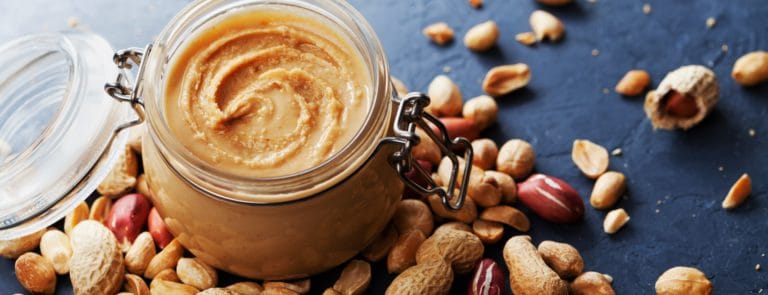
Table of Contents
Why Gaining Weight Needs Careful Planning
Gaining weight is often as challenging and complex as losing weight, and it requires careful planning to ensure it is done safely and effectively. The goal of weight gain should ideally be to increase lean muscle mass and healthy fat stores rather than just accumulating unhealthy fat. This requires a balanced approach that emphasises nutrient-dense, high-calorie foods combined with strength training and adequate rest.
Are you wondering how many extra calories you need per day to gain weight? A general rule of thumb is to add 500 calories to your typical daily intake. However, a nutritionist or dietitian can help you design a personalised high-calorie diet plan aligned with your specific health goals and any medical conditions.
15 Best High-Calorie FoodsFor Weight Gain
1. Nuts and Nut Butters (180-200 kcal/oz)
High-calorie foods like nuts and nut butters are excellent choices for a weight-gain diet. Packed with healthy fats, protein, and fibre, nuts like almonds, walnuts, and cashews provide about 180-200 calories per ounce. Nut butters offer a similar calorie boost, with around 190-200 calories per tablespoon. The combination of nutrients in nuts supports muscle growth and weight gain, especially when paired with resistance training.
To increase your calorie intake, snack on a handful of mixed nuts between meals or spread nut butter on whole grain toast.
2. Avocados (250-320 kcal/medium fruit)
Avocados are a nutrient-rich addition to any high-calorie diet for weight gain. One medium avocado provides approximately 250-320 calories, primarily from heart-healthy monounsaturated fats. These creamy fruits are also an excellent source of fibre, potassium, and vitamins.
Incorporate avocados into your meals by adding slices to sandwiches, salads, or scrambled eggs.
3. Whole Milk and Full-Fat Dairy (150 kcal/cup)
When aiming for weight gain, opt for whole milk and full-fat dairy products over low-fat or skim varieties. A cup of whole milk contains about 150 calories, while full-fat yogurt and cheese pack in even more calories per serving. Dairy products are also rich in protein, calcium, and fats that support healthy weight gain.
Choose full-fat yoghurt and cheese as high-calorie food additions to meals. If you struggle to consume enough calories through solid foods, consider drinking whole milk between meals.
4. Granola (200-300 kcal/half-cup)
Granola is a calorie-rich and nutrient-dense option for your high-calorie weight-gain diet. Typically made with oats, nuts, dried fruits, and sweeteners, granola can provide 200-300 calories in just a half-cup serving. It's an easy way to add a concentrated source of calories to your daily intake.
Sprinkle granola over yogurt, smoothie bowls, or fruit for a crunchy, calorie-boosting topping.
5. Dark Chocolate (150-170 kcal/oz)
Satisfy your sweet tooth while boosting calories with dark chocolate. Choose varieties with a high cocoa content (70% or more) for the most nutritional benefits. An ounce of dark chocolate provides approximately 150-170 calories, along with healthy fats and antioxidants.
Enjoy a square or two of dark chocolate as a calorie-dense snack or dessert. Remember to consume dark chocolate in moderation as part of a balanced high calorie diet.
6. Red Meats (250-300 kcal/3 oz cooked)
Red meats like beef, lamb, and pork are excellent sources of protein, iron, and fat, making them valuable additions to a diet for weight gain. A 3-ounce portion of cooked ground beef with 85% lean meat contains roughly 250 calories. The protein content of red meats supports muscle growth and repair, contributing to healthy weight gain.
Pair red meats with complex carbohydrates and vegetables for a balanced, calorie-dense meal.
7. Potatoes and Starches (130 kcal/medium potato)
Starchy vegetables like potatoes, sweet potatoes, and corn are nutrient-rich sources of complex carbohydrates, providing about 130 calories per medium potato. These high-calorie foods offer a healthy way to increase your calorie intake and support weight gain.
Enjoy baked or roasted potatoes as a side dish, or add them to soups and stews for extra calories and texture. Mash sweet potatoes with milk and butter for a creamy, calorie-dense side.
8. Oils (120 kcal/tbsp)
Cooking oils like olive oil, coconut oil, and avocado oil are pure fat and extremely calorie-dense, providing about 120 calories per tablespoon. Adding oils to your meals is an efficient way to increase calories without significantly increasing food volume.
Use oils to sauté vegetables, cook meats, or dress salads. Drizzle olive oil over pasta dishes or use it as a dip for bread. Incorporate coconut oil into baked goods or smoothies for a tropical flavor and calorie boost.
9. Dried Fruits (100-130 kcal/oz)
Dried fruits like raisins, dates, and apricots are concentrated sources of calories due to their reduced water content. One ounce of dried fruit can contain 100-130 calories, making them a convenient and tasty addition to your high-calorie weight-gain diet.
Be mindful of portion sizes, as dried fruits are higher in sugar and calories than their fresh counterparts.
10. Smoothies and Shakes (300-600 kcal/serving)
Homemade weight-gain smoothies and shakes are an easy way to pack in a significant amount of calories in a single serving. By combining ingredients like fruits, nut butters, whole milk, and protein powder, you can create calorie-dense beverages that provide 300-600 calories per serving.
Experiment with different flavour combinations and add-ins like oats, avocado, or coconut milk to boost the calorie content further.
11. Cheese (110-120 kcal/oz)
Cheese is a calorie-dense food that's rich in protein and fat, making it a valuable addition to your high calorie diet for weight gain. Most cheeses provide 110-120 calories per ounce, along with essential nutrients like calcium and vitamin B12.
Choose full-fat cheeses for the most calorie-boosting benefits.
12. Eggs (70-90 kcal/large egg)
Eggs are a versatile and affordable source of high-quality protein and fat, with one large egg containing about 70-90 calories. They are a staple in many high-calorie weight-gain diets due to their nutrient density and ease of preparation.
Use eggs in baking recipes like muffins or pancakes to increase the calorie content.
13. Quinoa and Whole Grains (220 kcal/cooked cup)
Whole grains like quinoa, brown rice, and oats are nutrient-dense sources of complex carbohydrates, providing about 200-220 calories per cooked cup. These high-calorie foods are essential for fueling your body and supporting healthy weight gain.
Serve quinoa as a side dish or base for grain bowls, adding vegetables and protein for a balanced meal. Cook oatmeal with whole milk and top with nuts, dried fruits, and a drizzle of honey for a calorie-packed breakfast. Use brown rice as a foundation for stir-fries, casseroles, or burrito bowls.
14. Fatty Fish (200-250 kcal/3 oz cooked)
Fatty fish like salmon, mackerel, and sardines are excellent sources of protein and heart-healthy omega-3 fatty acids. A 3-ounce serving of cooked fatty fish provides around 200-250 calories, making it a valuable addition to your high calorie diet.
The protein and healthy fats in fatty fish support muscle growth and overall weight gain.
15. Ultra-Processed Foods (500 extra kcal/day)
While not recommended as a primary focus for a healthy weight-gain diet, studies have shown that consuming ultra-processed foods can lead to an increased calorie intake of about 500 calories per day, resulting in weight gain. However, these foods are often high in unhealthy fats, added sugars, and sodium, and low in essential nutrients.
If you choose to include ultra-processed foods in your high calorie diet, do so in moderation and balance them with nutrient-dense whole foods.
Meal Strategies for Effective Weight Gain
1. Increase Meal Frequency
Instead of sticking to three large meals a day, aim for five to six smaller, high-calorie food meals. Frequent eating ensures a constant supply of energy and nutrients, which supports healthy weight gain without feeling overly full at once.
2. Focus on Calorie-Dense Foods
Choose foods that provide more calories per serving without excessive volume. High calorie foods for weight gain include nuts, seeds, dried fruits, avocados, cheese, whole milk, nut butters, and healthy oils. These can be easily added to meals and snacks to boost calorie intake.
3. Include Protein in Every Meal
Protein is essential for muscle building and weight gain. Include high-protein foods like eggs, chicken, fish, tofu, lentils, paneer, and Greek yoghurt in each meal to support muscle repair and growth.
4. Add Healthy Fats
Healthy fats are calorie-dense and contribute significantly to weight gain. Incorporate olive oil, ghee, coconut milk, avocado, fatty fish, nuts, and seeds into your daily meals to easily increase calories without large portions.
5. Embrace Smoothies and Shakes
Smoothies and shakes are an excellent option for adding calories in liquid form, which is easier to consume. Blend whole milk or plant-based milk with bananas, peanut butter, oats, protein powder, and nuts for a powerful calorie boost.
6. Avoid Empty Calories
While gaining weight, it's important to focus on nutritious calories. Limit sugary sodas, chips, and junk food that offer little nutritional value. Opt instead for whole, nutrient-dense options that contribute to overall health.
7. Follow a Structured Eating Plan
Following a structured diet for weight gain helps maintain consistency. A sample meal plan may include high-calorie breakfasts like oats with nuts, mid-morning snacks such as peanut butter sandwiches, hearty lunches with rice and paneer, evening smoothies, and dinner with potatoes and fatty fish. Planning ahead ensures you meet your daily calorie targets.
8. Prioritise Complex Carbohydrates
Whole grains, brown rice, oats, sweet potatoes, and whole wheat pasta provide sustained energy and essential nutrients. They are a critical part of a high-calorie weight gain diet, supporting muscle growth and energy storage.
9. Add Calorie Boosters to Meals
Small additions can make a big difference to a high-calorie diet. Topping foods with cheese, adding seeds to salads, drizzling nut butter on fruits, and using cream in soups can significantly raise calorie intake without expanding meal volume.
10.Incorporate Strategic Snacking
Snacking is a powerful tool for weight gain. Keep high-calorie foods like trail mix, protein bars, nuts, roasted chickpeas, and granola handy. Eating these between meals can easily increase your daily calorie count.
11. Focus on Post-Workout Nutrition
After exercise, your body is primed to absorb nutrients. Include a combination of protein and carbohydrates within 30-60 minutes post-workout to support muscle repair and growth.
12. Stay Consistent
Effective weight gain requires time and consistent effort. Gradually increasing portion sizes and maintaining steady calorie intake over weeks will yield sustainable results.
FAQs
How many pounds should I gain in a week?
A healthy weight gain goal is about 0.5 to 1 pound per week. Gaining weight too quickly may lead to unhealthy fat accumulation rather than lean muscle.
Why can’t I put on weight?
Difficulty gaining weight can be due to high metabolism, genetics, poor appetite, stress, or underlying medical conditions like hyperthyroidism or digestive disorders. Consult a healthcare professional if weight gain remains challenging.
Which fruit is best for weight gain?
Bananas, mangoes, avocados, and dates are excellent fruits for weight gain. They are calorie-dense, provide natural sugars, and offer healthy fats or carbohydrates that support steady weight gain.
Which foods help to gain weight fast?
High-calorie foods like nuts, nut butters, cheese, whole milk, rice, potatoes, eggs, and fatty fish help promote fast weight gain when consumed consistently with proper portion sizes.
How can a skinny person gain weight?
A skinny person should eat more frequently, choose calorie-dense, nutrient-rich foods, include strength training to build muscle, and focus on balanced meals with healthy fats, protein, and complex carbs.
What foods are best for gaining weight?
The best foods for weight gain include whole grains, dairy products, red meats, nuts, seeds, avocados, and healthy oils. Combining these with regular meals and snacks can help achieve healthy, sustainable weight gain.