Home Visit
 Upload






Preventive Healthcare
Health Benefits of Saffron: 9 Amazing Things You Need To Know About This Golden Spice
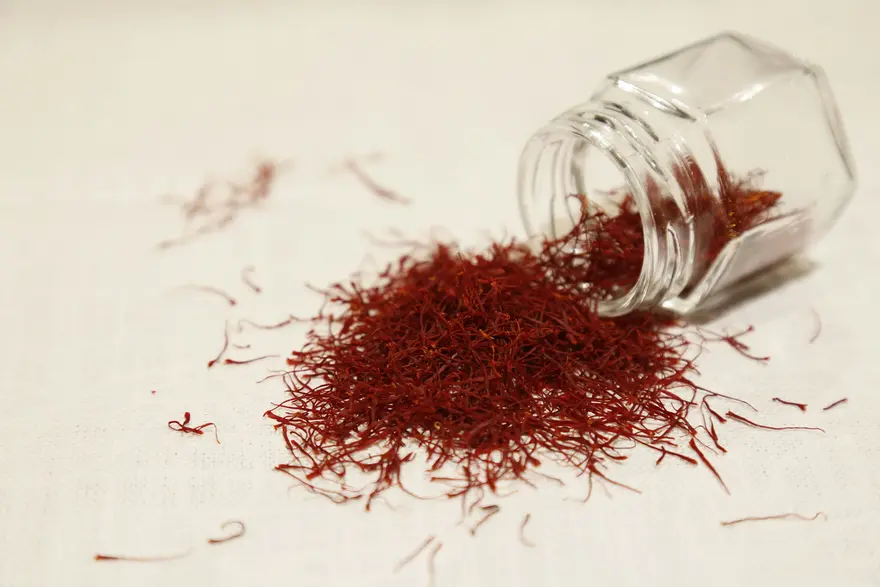
Table of Contents
What Is Saffron?
Saffron originates from the delicate purple flowers of Crocus sativus, commonly known as the saffron crocus. Each flower produces just three crimson stigmas, which are carefully hand-harvested and dried to create this extraordinary spice. The labour-intensive process explains why saffron commands premium prices worldwide.
This golden spice contains powerful bioactive compounds, including crocin, crocetin, safranal, and picrocrocin. These natural chemicals give saffron its distinctive colour, aroma, and therapeutic properties. The World Health Organisation recognises saffron as a valuable medicinal plant with significant health-promoting potential.
What makes saffron particularly fascinating is its dual nature as both a culinary delight and a natural medicine. Traditional healing systems across Asia and the Mediterranean have utilised saffron for thousands of years, treating everything from depression to digestive ailments.
9 Amazing Health Benefits of Saffron
Here are 9 research-supported health benefits of saffron, from boosting mood and memory to supporting heart health, skin glow, and women’s wellness, showing why this golden spice is much more than just a flavouring in your kitchen.
1. Powerful Antioxidant Protection: Saffron delivers exceptional antioxidant benefits through its unique compound profile. Crocin and crocetin neutralise harmful free radicals that damage cells and accelerate ageing. Research demonstrates that regular saffron consumption have been shown in small studies to reduce oxidative stress markers, typically by 20–25%.
2. Natural Mood Enhancement: Clinical studies reveal impressive saffron benefits for mental health. A landmark trial published in the Journal of Affective Disorders found that 30 mg of saffron extract daily showed comparable effects to certain standard antidepressants (like fluoxetine) in mild to moderate depression for mild to moderate depression. Participants experienced significant mood improvements within just four weeks.
3. Anti-Inflammatory Properties: Chronic inflammation underlies numerous health conditions, from arthritis to heart disease. Saffron’s bioactive compounds, particularly crocin and safranal, help reduce inflammatory markers such as TNF-α and IL-6 in experimental models throughout the body, potentially lowering disease risk and promoting healing.
4. Cognitive Function Support: Emerging research suggests saffron may enhance memory and cognitive performance. Studies involving elderly participants with mild cognitive impairment suggest that saffron supplementation may improve memory and cognitive performance compared with placebo.
5. Cardiovascular Health Benefits: Saffron supports heart health through multiple mechanisms. It may help support healthy cholesterol levels, blood pressure regulation, and circulation. The antioxidants in saffron also protect blood vessels from damage caused by oxidative stress.
6. Weight Management Support: Research indicates that saffron may assist with healthy weight management by reducing appetite and curbing snacking behaviours. Participants in small clinical studies reported reduced snacking and improved satiety after saffron supplementation.
7. Eye Health Protection: The carotenoids in saffron, particularly crocin, may protect against age-related macular degeneration. Preliminary studies suggest saffron supplementation may modestly slow age-related macular degeneration progression affecting millions worldwide.
8. Blood Sugar Regulation: Saffron demonstrates promising effects on glucose metabolism. Research suggests saffron and its compounds may improve insulin sensitivity and glucose metabolism in experimental and early human studies, making it potentially beneficial for individuals managing diabetes.
9. Natural Cancer-Fighting Properties: Laboratory studies indicate saffron compounds can inhibit cancer cell proliferation in vitro; human clinical confirmation is lacking. While human trials remain limited, the preliminary research suggests saffron's anticancer potential warrants further investigation.
Saffron: A Natural Anti-Inflammatory
Inflammation serves as your body's natural defence mechanism, helping you fight infections and heal injuries. But when inflammation becomes chronic, it can quietly contribute to serious health problems like heart disease, diabetes, joint disorders, and even neurodegenerative conditions. Saffron’s potent anti-inflammatory properties offer a gentle, natural way to support your body alongside medical treatment and a healthy lifestyle.
The key compounds in saffron, especially crocin and safranal, help by inhibiting pro-inflammatory markers such as TNF-α (tumour necrosis factor-alpha) and interleukin-1β (IL-1β). These molecules usually trigger inflammatory responses throughout the body. By reducing their activity and limiting oxidative stress, saffron helps calm systemic inflammation at the cellular level rather than just masking symptoms.
Research suggests that saffron’s anti-inflammatory and antioxidant effects may be particularly helpful in conditions such as:
- Rheumatoid arthritis: May help ease joint inflammation and stiffness when combined with standard therapy.
- Metabolic syndrome: Could support better metabolic health by reducing low-grade chronic inflammation linked to obesity and insulin resistance.
- Inflammatory bowel conditions: Its soothing, anti-inflammatory action may help support gut health and comfort.
- Skin inflammation: Antioxidant and anti-inflammatory effects may benefit irritated, sensitive, or acne-prone skin when used appropriately in diet or skincare.
While saffron is not a substitute for prescribed medicines, regular culinary use, such as in saffron milk, rice dishes, or herbal infusions, can be a supportive part of an overall anti-inflammatory lifestyle.
A 2015 review in the Avicenna Journal of Phytomedicine reported that saffron (Crocus sativus) and its key compounds, crocin and safranal, have strong antioxidant and anti-inflammatory effects on the nervous system. It shows promising benefits for conditions like depression, Alzheimer’s disease, Parkinson’s disease, seizures, and memory impairments in animal and early human studies.
How to Use Saffron in Your Diet
Incorporating saffron into your daily routine doesn't require complex preparations. Here are practical ways to enjoy saffron benefits:
Traditional Preparation Methods
- Soak before use: Soak saffron threads in warm water or milk for 10–15 minutes before adding them to any dish. This helps release maximum colour, aroma, and active compounds.
- Grind with a little sugar: Gently grind saffron threads with a pinch of sugar in a mortar and pestle. This creates a fine saffron powder that disperses evenly in milk, sweets, and savoury dishes.
- Enhance rice-based dishes: Add soaked or ground saffron to biryani, pulao, pilaf, or risotto for authentic flavour, a rich golden hue, and added antioxidant support.
Modern Applications
- In smoothies and breakfast bowls: Blend a few soaked threads of saffron into smoothies with fruits, yoghurt, or oats for a fragrant, nutrient-rich morning boost.
- In herbal teas and infusions: Steep saffron with chamomile, green tea, or lemongrass for a calming herbal infusion that you can sip in the evening.
- In desserts and sweets: Mix saffron into kheer, phirni, puddings, ice cream, kulfi, or traditional Indian sweets to enhance both taste and aroma.
Clinical research typically uses about 30 mg of saffron extract daily. In culinary form, this corresponds to approximately 10–15 threads (around 0.03 g), not grams. Remember that a little goes a long way with this potent spice.
The saffron milk benefits deserve special mention. Traditional saffron milk, prepared by steeping threads in warm milk with a touch of honey, provides a soothing bedtime drink that may support relaxation and positive mood.
Side Effects of Saffron
While saffron is generally safe for most people, understanding potential side effects ensures responsible consumption. When used in typical culinary amounts, saffron rarely causes adverse reactions.
However, consuming doses above 5 grams daily may cause toxicity and should be avoided. These can include nausea, vomiting, diarrhoea, dizziness, and, in rare cases, allergic reactions. Pregnant women should avoid large or supplemental doses of saffron, as high concentrations may stimulate uterine contractions.
Some individuals may experience mild digestive upset when first introducing saffron to their diet. Starting with small amounts allows your system to adjust gradually. If you’re taking antidepressants, antihypertensives, or antidiabetic medications, consult your healthcare provider before using saffron supplements due to potential interactions to your routine.
Quality matters significantly with saffron. Purchase from reputable suppliers to ensure authenticity and avoid adulterated products that may contain harmful additives.
Conclusion
Saffron is a powerful “golden spice” that can support mood, heart health, memory, skin, and overall well-being when used in small amounts as part of a balanced lifestyle. If you’re relying on saffron milk or other home remedies for issues like low energy, mood changes, irregular periods, or poor sleep, it’s equally important to understand what’s happening inside your body with the right tests.
With 4000+ tests, comprehensive full body checkups, and strong speciality testing, you get clear, reliable insights into your health with Metropolis Healthcare. Convenient home sample collection from 10,000+ touchpoints, quick turnaround with accurate results, and easy booking via website, app, phone call, or WhatsApp make it simple to move from doubt to diagnosis. When your doctor advises hormone profiles, vitamin checks, heart panels, or other investigations, partnering with a trusted lab helps you combine traditional wisdom like saffron with evidence-based care for better long-term health.
FAQs
What are the health benefits of saffron?
Saffron offers comprehensive health benefits, including antioxidant protection, mood enhancement, anti-inflammatory effects, cognitive support, cardiovascular health improvement, weight management assistance, eye health protection, blood sugar regulation, and potential anticancer properties. These saffron health benefits stem from its unique bioactive compounds that work synergistically throughout the body.
Can saffron improve mood and mental health?
Yes, clinical studies demonstrate that saffron can significantly improve mood and mental health. Research suggests that 30 mg of saffron extract daily shows comparable results to certain antidepressants in mild to moderate depression for treating mild to moderate depression. The saffron benefits for mental wellness include reduced anxiety, improved emotional stability, and enhanced overall psychological well-being.
How much saffron should I consume daily?
Most clinical studies support consuming 30 mg of saffron extract daily, equivalent to approximately 30 mg of saffron extract, or about 0.03 g of threads in culinary use. This amount provides optimal saffron benefits without risk of adverse effects. Never exceed 5 grams daily, as higher doses may cause toxicity. Always consult your healthcare provider for personalised recommendations based on your health status.
Can saffron help with weight loss?
Research indicates that saffron may support healthy weight management by reducing appetite and curbing snacking behaviours. Studies show participants experience increased satiety and reduced food cravings when consuming saffron supplements. However, saffron works best as part of a comprehensive approach, including balanced nutrition and regular exercise, rather than as a standalone weight loss solution.