Home Visit
 Upload





monsoon health tips

Top Health Tips for a Healthy Monsoon
Introduction Apart from the cooling relief, monsoon also brings a wave of health concerns. While the smell of fresh soil after the rains is soothing, it is also the season when humidity increases and waterborne diseases also appear. So how can you stay healthy while enjoying this beautiful season? The answer lies in these health tips for monsoon season. This comprehensive guide will provide you with various monsoon health tips that will help you to enjoy the season without compromising your health. We will look at the dietary changes, lifestyle modifications, and preventive strategies that will help you safeguard your health during the monsoon season. Our aim is to provide you with monsoon safety tips to help you make informed decisions regarding your health. Drink Clean and Boiled Water During monsoons, water resources are at a higher risk of getting contaminated, resulting in an increase in the danger of waterborne diseases. One of the most important health tips for rainy season is to ensure that you drink clean water. Choose only filtered or boiled water always, as heat kills most bacteria, viruses and parasites. When traveling, carry your own water bottle or drink sealed and packaged water. Increase Your Vitamin C Intake Boosting immunity is one of the essential monsoon health tips. Consuming Vitamin C-rich fruits such as oranges and lemons can fortify your immune system, helping it combat infections more effectively. Example: Mrs Sharma makes sure to include a bowl of mixed fruit salad in her family's breakfast during monsoon. The salad contains a mix of papaya, oranges, pineapple, and kiwi - all rich in Vitamin C. This simple step helps her family enhance their immunity. Increase Probiotic Intake A good gut health plays a crucial role in maintaining overall well-being. And consuming probiotics such as yogurt can help in maintaining a healthy balance of good bacteria in your gut. A healthy gut goes a long way in strengthening your immune system, which is especially important during the monsoon season. Include Herbal Teas Herbal teas not only help soothe the throat but also boost immunity and aid digestion. Ginger Tea, Tulsi Tea, or Masala Chai are excellent choices during monsoons. They are packed with antioxidants that fortify your body's defence mechanism. Did you know? Studies suggest that by consuming green tea regularly can improve cardiovascular health and lower the risk of infections. Have Bitter Foods Incorporating bitter foods like bitter gourd, neem, and fenugreek in your diet can not only enhance digestion but can also boost immunity during the rainy season. These foods have natural antimicrobial properties which helps in cleansing the body and ward off infections. Including them in your meals can aid in maintaining good health and preventing common seasonal ailments. Avoid Junk Food One of the essential safety precautions during the rainy season is to avoid street food. Consuming junk food can lead to stomach upset due to potential contamination of the water or raw materials used. Stay Away from Spicy Food Spicy food tends to stimulate the secretion of acid in the stomach leading to digestive issues. During the monsoon season, it is better to reduce your very spicy foods intake as your digestion can be a bit compromised. This is one of the most essential health tips for monsoon season. Destroy Breeding Grounds for Mosquitoes Stagnant water serves as a perfect breeding ground for mosquitoes, which could result into the spread of diseases like dengue and malaria. Make sure you do not have any stagnant water around your house. Use insect repellents and mosquito nets for added protection. Avoid Walking in Dirty Water Walking in dirty water during monsoon season can expose you to various infections, so if it is unavoidable, make sure you wash your feet with clean water and apply antiseptic. Add a Disinfectant to the Bathwater During the rainy season, increased humidity and stagnant water can become a breeding ground for bacteria and fungi. To reduce the risk of infection and maintain good hygiene, it is recommended to add a disinfectant, such as a few drops of antiseptic liquid to the bath water. This can help to kill the microorganisms on the skin, keep you healthier and preventing common rainy season ailments like fungal infections. Iron Those Damp Clothes During the rainy season, clothes often do not dry completely due to high humidity, which leads to moisture that promotes mould growth and unpleasant odour. Ironing clothes not only helps prevent wrinkles, but also ensures that they are completely dry and moisture-free. Iron heat can also kill the remaining bacteria or mould spores. Dry Clothes and Shoes Properly After washing, hang the clothes to dry in a well-ventilated place or, if possible, use a dryer. Remove the insoles from your shoes and fill them with newspaper to absorb moisture. Then store them in a dry and ventilated place. Avoid wearing damp clothes and shoes as they can contain bacteria and mould and cause health problems. Wash Your Hands Maintaining hand hygiene is one of the most essential health tips for monsoon season, as this practice alone prevents most monsoon diseases. Make sure to scrub your hands with soap for at least 20 seconds and rinse thoroughly. Hand sanitisers with at least 60 percent alcohol can be a handy alternative when soap is not available. Get Enough Sleep Adequate sleep is vital during the rainy season to boost your immune system and help your body to fight off infections. Aim for 7-9 hours of restful sleep each night to stay healthy and maintain your energy levels. A good sleep can also improve your mood and overall well-being, making it easier to cope with the challenges that come along with the damp, cooler weather. Exercise Regularly Regular physical activity boosts the immune system and keeps you in good shape; but do remember to maintain good hygiene while working out, especially if you are using shared equipment in fitness centres. Conclusion As we embrace the monsoon season's refreshing drizzle, let's also equip ourselves with these health tips for a rainy season for enjoying an illness-free monsoon. Remember, prevention is always better than cure. From maintaining hand hygiene, consuming a balanced diet enriched with vitamins and probiotics, ensuring clean drinking water to regular exercise – every little effort counts towards safeguarding our health during this season. At Metropolis Labs, we believe that informed healthcare decisions are pivotal to achieving optimal health. Our advanced diagnostic labs and qualified technicians ensure timely and accurate pathology testing services. Furthermore, with our at-home blood sample collection service, you can now prioritise your health without compromising on comfort or safety. In conclusion, stay informed, stay protected, and enjoy the monsoon season with robust health and vitality. Your health is a priority, not an option - let's ensure it receives the attention it deserves!

Monsoon Health Tips | How to have a Healthy Gut
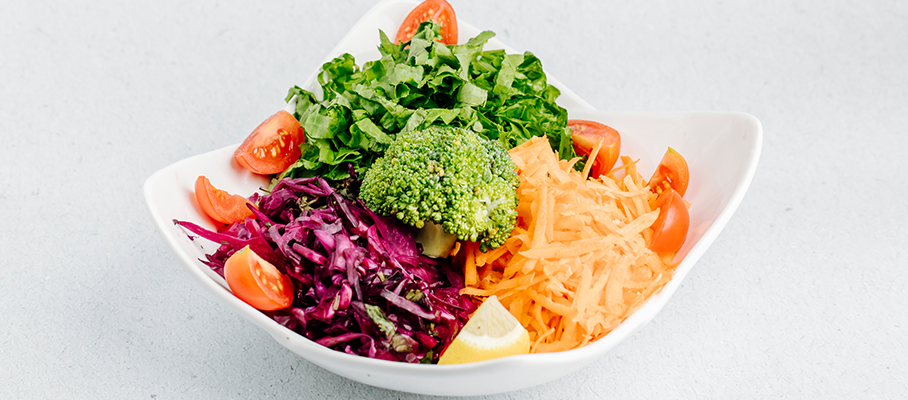
The occasional showers and chilly winds! And relief from the hot scorching heat. Monsoon has got all of it to make you crave for some delicious food items. Are you also yearning for a plate full of hot pakodas with your evening cup of tea on most of the days? Not minding to binge on fried foods? Well, rains are a good time to relish savoury meals, but they also necessitate eating healthy and clean food. Water stagnation and high moisture content in the environment can cause it to act as a season filled with infections and diseases. So, if you want to enjoy the monsoon, it is important to eat healthy and nutritious meals. Here are a few healthy tips for monsoon on how to keep your gut healthy and happy Do’s of Monsoon Diet Opt for seasonal fruits, such as litchi, Indian blackberry (Jamun), pomegranates, peach, and plum. While the seasonal fruits will impart the goodness of nature, non-seasonal fruits might be ripened through artificial techniques. Eat steamed salads instead of raw vegetables. Wash vegetables properly before steaming. Improper washing can lead to various bacterial and viral infections. Certain digestive conditions can also cause rise in levels of liver enzymes. Any such rise may indicate inflammation or damage to cells in the liver. Track your liver health with the help of a liver function test. Add desi Indian drinks such as Aam Panna, Sattu, Chach, in your daily diet. Refrain from sodas and cold drinks. They add calories with zero amount of other nutritional elements. Include herbal teas in your daily diet. Green teas and herbal teas are a rich source of antioxidants that helps prevent cell damage. Antioxidants are required for repair of skin, hair and other body cells. Go for fermented dairy products like yogurt and curd in place of ice creams. They aid in digestion and reduce bloating. As per Ayurvedic experts, the best time to have fermented dairy products like these can be after lunch. Some people might catch a cold and cough due to consuming curd at night. Don’ts of Monsoon Diet Say strict no to roadside food or meals prepared with low hygiene. These can harbor infection-causing germs and hamper your gut health. Save that spread of samosa, kachori, and pakodas for only some special times. Fried foods may appear very tempting but the high oil content can interfere with the normal functioning of your digestive system, might slow the movements of digestive organs, and delay gastric emptying. These can further cause bloating and heartburn. Eating food that has high content of fats, specifically saturated and trans fats, can cause a rise in cholesterol levels and raise your risk of several heart conditions. The first step to a healthier heart is to get your cholesterol and triglycerides levels checked periodically. A lipid profile test is a panel of blood tests that screens your body for lipids, such as cholesterol and triglycerides. Avoid salty foods items or eat in moderation. Too much salt can cause fluid retention and uneasiness in the stomach. You need to take special care if you have been diagnosed with high blood pressure. Eating meals that are uncovered or prepared with dirty unwashed hands may spread many germs. Always cover your food to save it being infected by flies. Wash hands with soap before preparing and eating every meal. Limit your intake of caffeinated drinks like tea and coffee. Too much of such beverages causes dehydration in the body. They can also interfere with the normal sleep pattern in some people, when consumed in late evening or nighttime. Dehydration can cause your body to lose important electrolytes. Electrolytes include salts and minerals, such as sodium, potassium, chloride and bicarbonate. An electrolyte imbalance can interfere with normal functioning of your body. Get Electrolytes Test Done here. Avoid eating seafood during the rainy season. It is very common for water bodies to be polluted with sewage, thus there are more chances of sea creatures being exposed to these pollutants. Also, monsoon is the breeding season for the fishes. You are not letting nature restock what you have been taking out. Most importantly, most fish sold in monsoon are pre-packaged or stored. Storing fish for longer periods can reduce its nutritional value. The last and yet the most important in the list is to not use contaminated water. Always ensure that your water should either be purified or boiled. Avoid Ice from non-distilled water, kulfis and golas to keep stomach upset and food poisoning at bay. Contaminated water can spread a plethora of infections, including hepatitis A and E viruses. These viruses cause swelling (inflammation) in your liver. The signs and symptoms of these liver conditions do not appear until the virus has passed 2-3 weeks inside the body. Doubt water quality in your area and have symptoms like fever, fatigue, or pain in the abdomen? Get tested for hepatitis now and seek medical assistance if required. Following these simple healthy tips will help you limit your exposure to many germs that may give stomach infections. Keep nutrition always above taste. Hoping you and your loved ones have a happy and healthy monsoon with these monsoon diet tips.