Home Visit
 Upload





foods to boost hemoglobin

Exploring Hemoglobin: Normal Range, Levels, Low Hemoglobin and More
Your body needs oxygen to function, and anyone with insufficient blood cells or red blood cells that do not function properly risks their body not getting enough oxygen supply. Without sufficient oxygen, the different parts of the body will not function properly, resulting in numerous health issues. Haemoglobin is a protein usually found in the red blood cells; they are iron-rich and allow the flow of oxygen to the body's other tissues through the blood. Although low levels of haemoglobin are a sure indicator of anaemia, higher than normal haemoglobin range indicates severe health conditions. Understanding haemoglobin range and what it means for your health is essential for anyone who wants to live a healthy lifestyle. What Is Haemoglobin? Haemoglobin is the protein present in the red blood cells responsible for transporting oxygen to the rest of the body. Each haemoglobin protein has four atoms of iron, meaning it can carry four oxygen molecules simultaneously. The haemoglobin then attaches itself to the red blood cells and delivers oxygen wherever the blood flows. As all the billions of cells in your body need oxygen to maintain and repair themselves, haemoglobin plays a significant role in maintaining your health. Haemoglobin is also why your red blood cells get a disc-like shape. This shape enables them to move swiftly within the blood vessels. How Is Your Haemoglobin Range Tested? A simple blood test, also called a haemoglobin test, assesses your haemoglobin levels. The lab technician will take your blood sample and then send it to the testing centre. It is part of the complete blood count (CBC) test. This is a reasonably risk-free test, although you may feel mild pain from the needle entry and slightly bruising near the spot. Dizziness is a rare side effect of the test, but it usually disappears quickly. Why Is a Haemoglobin Test Done? Although a haemoglobin test can be recommended for multiple reasons, they usually amount to one of these three reasons. To Diagnose a Condition This is one of the obvious uses of a haemoglobin test. It is usually prescribed if you experience fatigue, dizziness, shortness of breath or weakness. Most of these symptoms indicate conditions like anaemia, polycythemia or other conditions. Checking Your Overall Health Haemoglobin tests are part of the routine blood analysis you may carry out yearly. It comes under the complete blood count test and is primarily done to monitor your overall health and screen for emerging conditions like anaemia. To Keep Track of a Medical Condition Suppose you have an underlying medical condition such as polycythemia vera or anaemia. In that case, your doctor may suggest regular haemoglobin tests to monitor your condition and alter your treatment if needed. Normal Haemoglobin Range Your haemoglobin range depends on factors such as your age and gender. Here is what normal haemoglobin ranges look like. Infants: 11-18 Young children: 11.5-16.5 Adult male: 13-16.5 Adult females (not pregnant): 12-16 Adult female (pregnant): 11-16 Interpreting Your Results High Haemoglobin Range High haemoglobin levels may signify a rare blood disorder known as polycythemia. In this disorder, your body produces excess red blood cells, which makes your blood thicker than usual. Due to this, you are at a higher risk of developing clots, strokes and heart attacks. It is a serious lifelong condition, which may be fatal without correct treatment. Other causes of your results being near the higher haemoglobin range could be dehydration, living at higher altitudes and smoking. It could also indicate other severe conditions such as heart or lung diseases. Low Haemoglobin Range Lower levels of haemoglobin indicate that you may have anaemia. Anaemia is of different types, including the following: Iron-deficiency anaemia: This is one of the most common types of anaemia and usually occurs when you do not have enough iron in your body and cannot make the haemoglobin you need. Although it usually happens because your body may not absorb enough iron, it also can happen in cases of excessive blood loss. Pregnancy-related anaemia occurs as pregnancy and childbirth require significantly higher amounts of iron. Vitamin-deficiency anaemia: This kind of anaemia results from low nutrient levels such as folic acid or vitamin B12. Aplastic anaemia: In this disorder, your immune system destroys the blood-forming stem cells in the bone marrow, resulting in fewer red blood cells. Hemolytic anaemia: This type of anaemia can have a genetic origin or result from another condition. It is caused due to the breakup of red blood cells in the spleen or bloodstream. Sickle cell anaemia: Another genetic condition that occurs because of the abnormal haemoglobin protein that causes the blood cells to have a sickle shape stopping them from flowing through the smaller blood cells. Low Haemoglobin Levels in Infants There are chances that a newborn develops temporary anaemia around the age of 6 to 8 weeks. It is caused when the infant runs out of the RBCs they were born with and have not yet created their new cells. This condition has no adverse effects unless they have an underlying condition. It can also result from breaking down the blood cells too fast, resulting in the yellowing of the skin, known as jaundice. Once you have interpreted your results, your doctor may advise various treatment methods based on the cause of the anaemia. Most often, the treatment for anaemia will include a change in the diet or an addition of a dietary supplement that helps with iron or vitamin deficiency. Polycythemia is a lifelong condition that is not curable. However, medicines help manage the symptoms. Book Blood Test at Home In Summary Haemoglobin is a protein present in the red blood cells that helps transport oxygen through the blood. Higher than normal haemoglobin range is caused due to polycythemia, whereas lower than average haemoglobin usually results in anaemia. Keeping track of your haemoglobin levels is especially important for individuals with a history of anaemia or at risk. Metropolis Labs is one of the leading diagnostic centres in India. They provide customers with the convenience of at-home sample collection, so you do not need to step out of the house, especially when not well. Check out the different diagnostic tests they offer to find the ones that suit you best.

How to Increase Hemoglobin Levels Quickly: Foods & Natural Tips
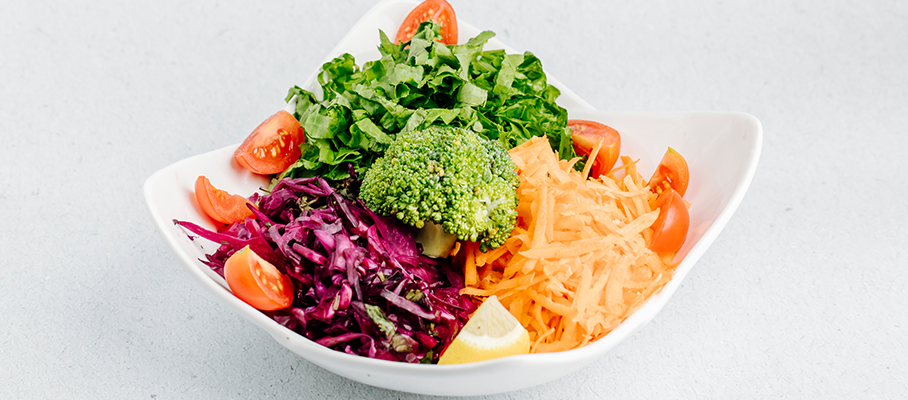
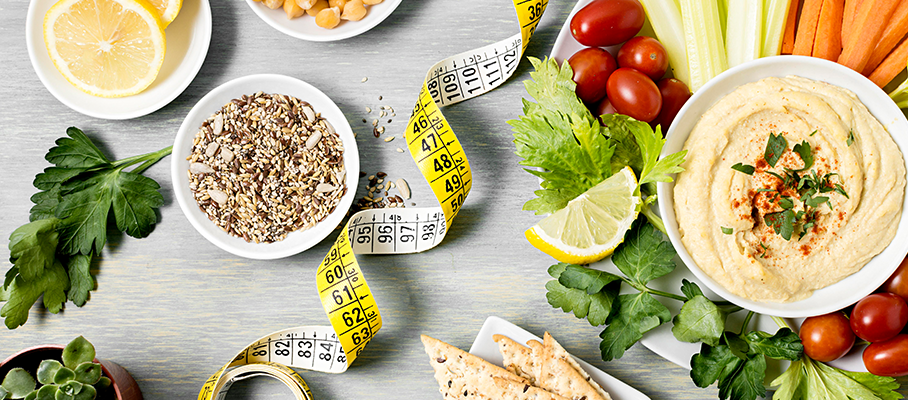
Ever wondered if what you eat could help improve your haemoglobin levels? The answer is yes—it absolutely can. Your body needs the right nutrients to produce enough haemoglobin, and choosing the right foods can make a real difference. Whether you're feeling a bit more tired than usual or just want to support your health, adding the right ingredients to your meals can help. In this blog, you will learn about food rich in haemoglobin that may naturally support your levels and help you feel more energised day by day. Foods That Boost Haemoglobin Naturally Your body depends on haemoglobin to carry oxygen to your organs and tissues. When your levels drop, you might feel tired, weak, or breathless. The good news is that certain foods can support healthy haemoglobin production. Let’s check out natural haemoglobin food options you can easily include in your daily meals. Leafy Green Vegetables Leafy greens are among the best plant-based sources that supports the haemoglobin production. Rich in iron and essential nutrients, they can help you maintain your energy levels and feel more balanced. Spinach: High in non-haem iron, folate, and vitamin C, which helps with iron absorption. Kale: Contains iron, vitamin K, and fibre that support red blood cell production. Swiss chard: A good source of iron and antioxidants that benefit your blood health. Fenugreek leaves: Often overlooked, but rich in iron and helpful in cooking curries and lentils. Mustard greens: Packed with iron, calcium, and vitamin C. When eating plant-based iron sources, pair them with vitamin C-rich foods like tomatoes or bell peppers to aid absorption. Including these greens regularly is a gentle and effective way to care for your blood health. Legumes And Beans Legumes and beans are easy to include in meals and provide a good balance of iron, protein, and folate – all needed for healthy red blood cell formation. Lentils: One of the top vegetarian iron sources. Great in soups, stews, or salads. Chickpeas: High in iron and also a source of vitamin B6 and folate. Black beans: Contain iron and antioxidants that help protect your blood vessels. Kidney beans: Provide iron, protein, and fibre, supporting your digestion and energy. Soybeans: A complete protein with iron and other nutrients. You can cook them with vegetables or use them in dips, patties, and soups. These are ideal options when you're looking for haemoglobin increase food that’s also filling and versatile. Red Meat Red meat is a rich source of haem iron, type of iron that your body absorbs more easily. Including moderate amounts of lean red meat in your meals may help raise your haemoglobin levels steadily. Beef: Particularly liver and lean cuts are very high in haem iron. Lamb: Offers haem iron, vitamin B12, and zinc, all essential for blood health. Pork: Lean pork is also beneficial and can be included in balanced diets. Try cooking meat with iron-rich vegetables for added benefits. When choosing red meat, go for lean cuts and avoid excessive frying or rich sauces. If you eat meat, this is a very reliable food that boosts haemoglobin naturally. Poultry And Seafood If red meat isn’t your preference, poultry and seafood can also offer excellent alternatives. They provide haem iron and other nutrients needed for haemoglobin production. Chicken: Especially dark meat, is a good source of iron and lean protein. Turkey: Contains iron and zinc, plus it’s easy to include in sandwiches and salads. Tuna: Offers iron, vitamin B12, and omega-3 fatty acids. Salmon: While lower in iron, it supports blood circulation and heart health. Shellfish: Clams, mussels, and oysters are among the richest natural sources of iron. Eating these in moderation is a good way to enjoy a range of nutrients that support blood health and can be considered an effective HGB increase food choice. Nuts And Seeds For quick snacks or meal toppings, nuts and seeds provide iron, protein, and healthy fats. They’re easy to carry and ideal for busy days. Pumpkin seeds: Very high in iron and magnesium. Great as a salad topper or snack. Sunflower seeds: Rich in iron and vitamin E, supporting healthy blood and skin. Almonds: Contain iron, calcium, and healthy fats. Cashews: Offer iron, zinc, and magnesium. Good in curries or eaten raw. Sesame seeds: Used in tahini and Asian dishes – great for iron intake. Though small, these nutrient-dense foods are packed with a powerful nutritional punch. Including them in your day can make a meaningful difference, especially when you're looking for food rich in haemoglobin to support daily energy levels. Fortified Cereals And Whole Grains Fortified cereals and whole grains are often overlooked, but they can be powerful allies in your journey to healthier haemoglobin levels. Iron-fortified breakfast cereals: These can give a reliable dose of iron, especially useful when combined with fruits. Oats: Contain iron and are great with vitamin C-rich fruits for better absorption. Quinoa: High in iron, complete protein, and gluten-free. Brown rice: Provides iron and magnesium and is more nutritious than white rice. Whole wheat bread: Often fortified and adds fibre and B vitamins. These options work well for breakfast or lunch and are ideal for those building a balanced diet to increase HB naturally without drastic changes to their routine. Fruits Fruits are not only delicious and hydrating but also play an important role in supporting haemoglobin. Some contain vitamin C, which helps absorb iron, while others provide small amounts of iron directly. Pomegranate: Often recommended for its iron and vitamin C content. Apples: A source of non-haem iron and easy to eat daily. Bananas: Contain iron and folate, plus energy-boosting natural sugars. Dates and raisins: Dried fruits are concentrated with iron and natural sweetness. Strawberries and citrus fruits: Rich in vitamin C, which helps your body use iron better. When you’re seeking a fruit for increasing haemoglobin, you’ll find that variety and regular intake are key. Mix fresh and dried options throughout your day for consistent benefits. Tips To Increase Haemoglobin Level At Home You might feel unsure of where to start, but simple, daily habits can support healthy haemoglobin levels over time. Alongside the right foods, these practical tips can make a real difference in how you feel. 1. Eat Iron-Rich Meals Consistently: Make sure your daily meals include good iron sources—whether plant-based or animal-based. Regular intake helps maintain stable levels. 2. Combine Iron With Vitamin C: Foods rich in vitamin C like oranges, bell peppers, and tomatoes help your body absorb iron more effectively. Try adding them to meals. 3. Avoid Tea Or Coffee With Meals: Drinks like tea and coffee can interfere with iron absorption. Have them between meals instead of during or right after eating. 4. Use Iron Cookware: Cooking in cast iron pans can slightly increase the iron content of your food—especially when preparing acidic foods like tomato sauce. 5. Include Folate-Rich Foods: Folate supports red blood cell formation. Include lentils, citrus fruits, eggs, and dark leafy greens in your meals regularly. 6. Monitor Your Vitamin B12: Vitamin B12 is crucial for blood health. It’s found in meat, dairy, and fortified cereals. If you’re vegetarian or vegan, check your levels. 7. Avoid Over-Supplementing: Supplements should only be used when advised by a healthcare provider. Too much iron can be harmful. A food-first approach is safer and more sustainable. By following these steps and including a variety of haemoglobin food in your day-to-day meals, you give your body the support it needs. If you ever feel unsure or symptoms persist, it’s always wise to check in with a health professional for tailored advice. Conclusion Making simple dietary changes can go a long way in supporting healthy haemoglobin levels. Including foods like leafy greens, legumes, meats, nuts, and fruits can help you feel more energised and balanced over time. However, if you’re unsure about your levels or need to track your progress, it’s important to get tested. For accurate and trusted diagnostics, consider Metropolis Healthcare – known for its reliability, expert pathologists, and convenient home sample collection services. Also Read: Hemoglobin: Levels, Erythropoiesis, and Factors FAQs Which food has the highest haemoglobin? Animal liver, especially beef liver, contains the highest levels of haem iron, which your body absorbs easily. It’s considered one of the most effective sources to support healthy haemoglobin production naturally. How can I increase my haemoglobin fast? To increase haemoglobin quickly, eat iron-rich foods like red meat, spinach, and legumes. Pair them with vitamin C-rich foods to improve absorption, and avoid tea or coffee during meals to support better iron intake. Which drink increases haemoglobin? Pomegranate juice is often recommended for its iron and vitamin C content. Beetroot juice is another natural option that may support haemoglobin levels by improving iron absorption and encouraging healthy red blood cell production. What foods help boost haemoglobin? Foods like leafy greens, red meat, legumes, nuts, seeds, and iron-fortified cereals help boost haemoglobin. Including a variety of these in your daily diet supports better iron levels and red blood cell formation.