Home Visit
 Upload






Preventive Healthcare
15 Best Foods To Improve Brain Health and Memory
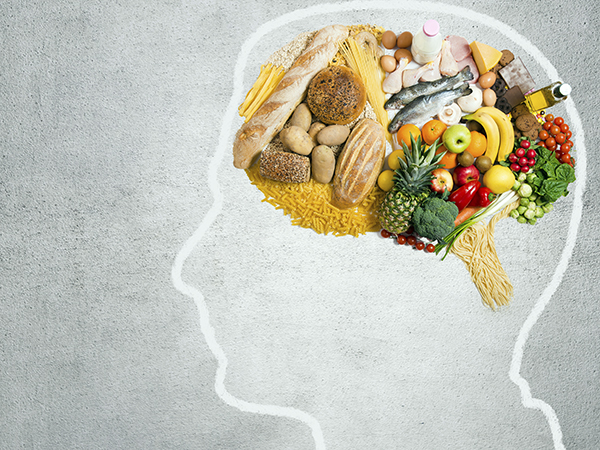
Do you ever wonder if what you eat could help your memory and focus? The good news is—yes, it can. Your brain needs the right nutrients to stay sharp, especially when life feels overwhelming. Making simple changes to your diet can support clearer thinking and better concentration. You don’t need extreme fixes—Just the right foods in your daily routine.
In this guide, you will find 15 of the best brain food choices to help support your memory, boost focus, and care for your brain health with confidence.
15 Best Food for Brain Function
Certain foods are especially helpful in promoting mental sharpness and clarity. These are often referred to as brain foods, and they contain specific nutrients that support memory, attention, and long-term brain health. By including more of these foods in your meals, you can help your brain stay active and resilient through the ups and downs of everyday life.
Let’s check out 15 of the best foods for brain function.
Oily Fish
Oily fish are excellent brain food because they’re loaded with omega-3 fatty acids — especially DHA, a fat that makes up a large part of your brain.
- Omega-3s help build cell membranes in the brain and support communication between brain cells.
- May reduce the risk of age-related cognitive decline and Alzheimer’s disease.
- Helps regulate mood and reduce anxiety.
- Salmon, sardines, mackerel, and trout are top choices.
- Aim to include oily fish 2–3 times per week.
Dark Chocolate
Dark chocolate isn’t just a treat — it has real benefits for your brain.
- Rich in flavonoids, which may improve learning, memory, and brain plasticity.
- Increases blood flow to the brain, enhancing alertness and mental performance.
- Contains small amounts of caffeine, which may support concentration.
- Antioxidants help combat oxidative stress that affects brain cells.
- Choose dark chocolate with at least 70% cocoa for best results.
Berries
Berries are packed with powerful antioxidants that protect and nourish your brain.
- Help neutralise harmful free radicals that damage brain cells.
- May improve brain communication and delay memory decline.
- Flavonoids in berries are linked to better decision-making and learning.
- Particularly beneficial for older adults at risk of cognitive impairment.
- Blueberries, strawberries, raspberries, and blackberries are all excellent.
Nuts and Seeds
These are easy snacks loaded with brain-healthy fats, vitamins, and minerals.
- High in vitamin E, which may help prevent mental decline as you age.
- Contain omega-3s and antioxidants that reduce inflammation.
- Walnuts, in particular, are known to improve reasoning and memory.
- Flaxseeds and chia seeds also offer plant-based omega-3s.
- A small handful daily can make a noticeable difference.
Whole Grains
Whole grains provide a steady energy source for your brain throughout the day.
- Help regulate blood sugar, keeping you focused and alert.
- Rich in B vitamins like folate, thiamine, and B6 — essential for nerve health.
- May support mental clarity and reduce fatigue.
- Brown rice, oats, quinoa, and wholemeal bread are excellent choices.
- Incorporate them at every meal for lasting energy.
Coffee
Coffee, when enjoyed in moderation, is a popular drink with brain-boosting effects.
- Caffeine blocks adenosine, a chemical that makes you feel tired.
- Increases brain function related to attention, mood, and reaction time.
- Rich in antioxidants that support long-term brain health.
- May reduce the risk of neurological conditions like Parkinson’s.
- Two cups a day is considered a safe, beneficial amount.
Avocados
Avocados are rich in healthy fats that support cognitive function and circulation.
- Contain monounsaturated fats that promote healthy blood flow.
- Help maintain steady energy and reduce mental fatigue.
- High in folate, which supports brain development and clear thinking.
- Also rich in potassium and lutein, supporting mental alertness.
- Ideal in salads, toast, or smoothies.
Peanuts
Peanuts are budget-friendly but packed with nutrients that support brain health.
- High in niacin and resveratrol — both linked to brain protection.
- May improve long-term memory and reduce brain inflammation.
- Rich in protein, vitamin E, and healthy fats.
- Keep energy levels balanced throughout the day.
- Easily included in snacks, meals, or as peanut butter.
Eggs
Eggs are one of the most complete sources of brain food nutrients.
- Rich in choline, essential for neurotransmitter function and memory.
- Provide B vitamins that help regulate mood and reduce mental tiredness.
- May support early brain development in children and ongoing focus in adults.
- High in protein to keep you energised and full.
- Easy to prepare and versatile for all meals.
Broccoli
Broccoli is a powerful veggie with compounds that benefit your brain and immune system.
- High in vitamin K, which supports memory and cognitive performance.
- Contains sulforaphane — a compound linked to brain detoxification.
- Anti-inflammatory and antioxidant properties help protect brain tissue.
- May promote calmness and reduce oxidative stress.
- Steam, roast, or stir-fry to preserve nutrients.
Kale
Kale, like other dark leafy greens, is a natural source of essential brain nutrients.
- Provides vitamins A, C, and K, which protect brain cells.
- Loaded with antioxidants that reduce cognitive ageing.
- Supports neuroplasticity — your brain's ability to adapt and grow.
- High in fibre, which benefits gut and brain connection.
- Use it in salads, soups, or green smoothies.
Soy Products
Soy-based foods offer a rich source of plant protein and phytonutrients for the brain.
- Contain polyphenols that protect against mental decline and improve cognition.
- May benefit older adults with mild memory loss.
- Offer complete proteins and amino acids for healthy brain signalling.
- Tofu, tempeh, soy milk, and edamame are nutritious, versatile choices.
- A helpful addition to plant-based or balanced diets.
Oranges
Oranges are full of vitamin C — a powerful antioxidant for brain function.
- One orange provides your entire daily need of vitamin C.
- Supports memory, alertness, and learning capacity.
- Protects brain cells from damage and stress.
- May reduce the risk of age-related cognitive decline.
- Refreshing as a snack or juice — just avoid added sugar.
Green Tea
Green tea provides a gentle, balanced brain boost without the jitters of stronger coffee.
- Contains L-theanine, which supports calm but focused energy.
- Caffeine content enhances alertness and brain function.
- Antioxidants help slow brain ageing and protect nerve cells.
- May improve performance in tasks that require attention and memory.
- Ideal as a daily drink in the morning or early afternoon.
Turmeric
Turmeric is a spice known for its powerful brain-supporting properties.
- Contains curcumin, which can cross the blood–brain barrier.
- Helps reduce inflammation and oxidative stress in brain tissue.
- Linked to better mood and memory support.
- May support growth of new brain cells (neurogenesis).
- Works well in curries, teas, or supplements.
Supplements for Brain Function
You may already be eating well, but supplements can offer extra support when needed. They’re especially helpful if you're dealing with stress, low mood, or poor concentration. While whole foods are always the best first step, supplements can complement your efforts to care for your brain.
Here are some supplements that support foods that increase brain function:
- Omega-3 Fish Oil
If you don’t eat enough oily fish, an omega-3 supplement can help. It supports brain structure, memory, and mental wellbeing. - Vitamin B Complex
B vitamins are crucial for energy and brain function. A deficiency may lead to fatigue and poor focus. A B-complex supplement can help address any deficiencies. - Vitamin D
Low vitamin D levels are linked to brain fog and mood issues. Especially useful during winter months when sunlight is limited. - Magnesium
Supports nerve function and can help reduce anxiety and tension, both of which affect concentration. - Ginkgo Biloba
A natural supplement that may improve memory and circulation in the brain, often used to support age-related decline. - Curcumin (Turmeric Extract)
A concentrated form of turmeric that may reduce inflammation and support memory, especially in older adults. - L-Theanine and Caffeine
Found naturally in tea, this combo may support focused energy. Supplements offer this in controlled amounts without the crash of strong stimulants.
Always check with your doctor before starting a new supplement, especially if you’re taking medication or managing a health condition. Supplements work best when combined with a balanced diet, rich in brain food.
Summary
Taking care of your brain starts with the food you choose every day. By including more brain food like berries, oily fish, whole grains, and leafy greens, you give your mind the fuel it needs to stay sharp, focused, and balanced. These choices can support your memory, help with concentration, and promote long-term brain health. Remember, consistent daily habits can lead to meaningful improvements over time.
For added support, it’s helpful to check on your nutrient levels with reliable diagnostics. Metropolis Healthcare offers trusted blood tests and health packages, including essential vitamin and neurological assessments.
With expert pathologists and convenient home sample collection, Metropolis makes it easier to understand your health from the inside out — a key step in caring for your brain and overall well-being.
FAQs
What is the best food for your brain?
The best food for your brain is oily fish, like salmon or mackerel, as it’s rich in omega-3 fatty acids. These healthy fats support brain cell function, memory, and learning. Regular intake may improve focus and reduce age-related decline. Including a mix of leafy greens, berries, and nuts also adds essential nutrients for long-term brain health.
What are the 5 brain killer foods?
Five foods that may negatively affect brain health include sugary drinks, highly processed foods, trans fats, excessive alcohol, and refined carbs. These can cause inflammation, memory issues, and poor focus. It’s best to limit them and replace them with nourishing options like brain food—whole grains, vegetables, and healthy fats—to help your brain work efficiently and stay protected.
What is good brain food before a test?
Good brain food before a test includes a balanced mix of protein, healthy fats, and complex carbs. A boiled egg with wholegrain toast and a few berries works well. It keeps you full and focused. Avoid heavy or sugary meals, as they may cause sluggishness or a crash in energy levels during the test.
What is the best brain food snack?
A handful of mixed nuts and seeds is an excellent brain food snack. They provide healthy fats, antioxidants, and vitamin E—nutrients that support memory and concentration. Pairing them with a piece of dark chocolate or some berries can give you a satisfying, nutrient-rich option that supports mental alertness and keeps your energy steady throughout the day.
What fruit is good for the brain?
Berries are among the best fruits for your brain. Blueberries, strawberries, and blackberries contain antioxidants that protect brain cells, improve memory, and support mental clarity. Oranges are also beneficial due to their high vitamin C content. Adding these fruits to your meals or snacks regularly can help maintain strong brain function and long-term cognitive health.
How to activate 100% of your brain?
While the idea of using 100% of your brain is a myth, you can support optimal brain function with healthy habits. Eat brain boosting foods, stay hydrated, exercise regularly, get quality sleep, and engage in mentally stimulating activities. Reducing stress and staying socially connected also plays a key role in helping your brain stay active and sharp.