Home Visit
 Upload






Preventive Healthcare
Posterior Cortical Atrophy: Symptoms & Daily Management

Table of Contents
- What Is Posterior Cortical Atrophy?
- How Posterior Cortical Atrophy Affects the Brain
- Posterior Cortical Atrophy Symptoms
- Causes & Risk Factors of Posterior Cortical Atrophy
- How Posterior Cortical Atrophy Is Diagnosed
- Posterior Cortical Atrophy Treatment Options
- Complications of Posterior Cortical Atrophy
- When to See a Neurologist or Eye Specialist
- Understanding Healthcare & Cost Considerations for PCA Care
- Conclusion
- FAQs
- References
What Is Posterior Cortical Atrophy?
Posterior cortical atrophy (PCA), also known as Benson's syndrome, represents a rare form of cortical degeneration that specifically targets the back regions of the brain. This neurological condition causes progressive deterioration of brain tissue in the posterior cerebral cortex, primarily affecting regions responsible for visual processing and spatial awareness.
The condition usually develops between the ages of 50 and 65, making it a young-onset dementia that can significantly impact daily functioning. According to the Alzheimer's Association, posterior cortical atrophy affects fewer than 5% of individuals diagnosed with Alzheimer’s disease, highlighting its rarity within the broader spectrum of neurodegenerative disorders.
How Posterior Cortical Atrophy Affects the Brain
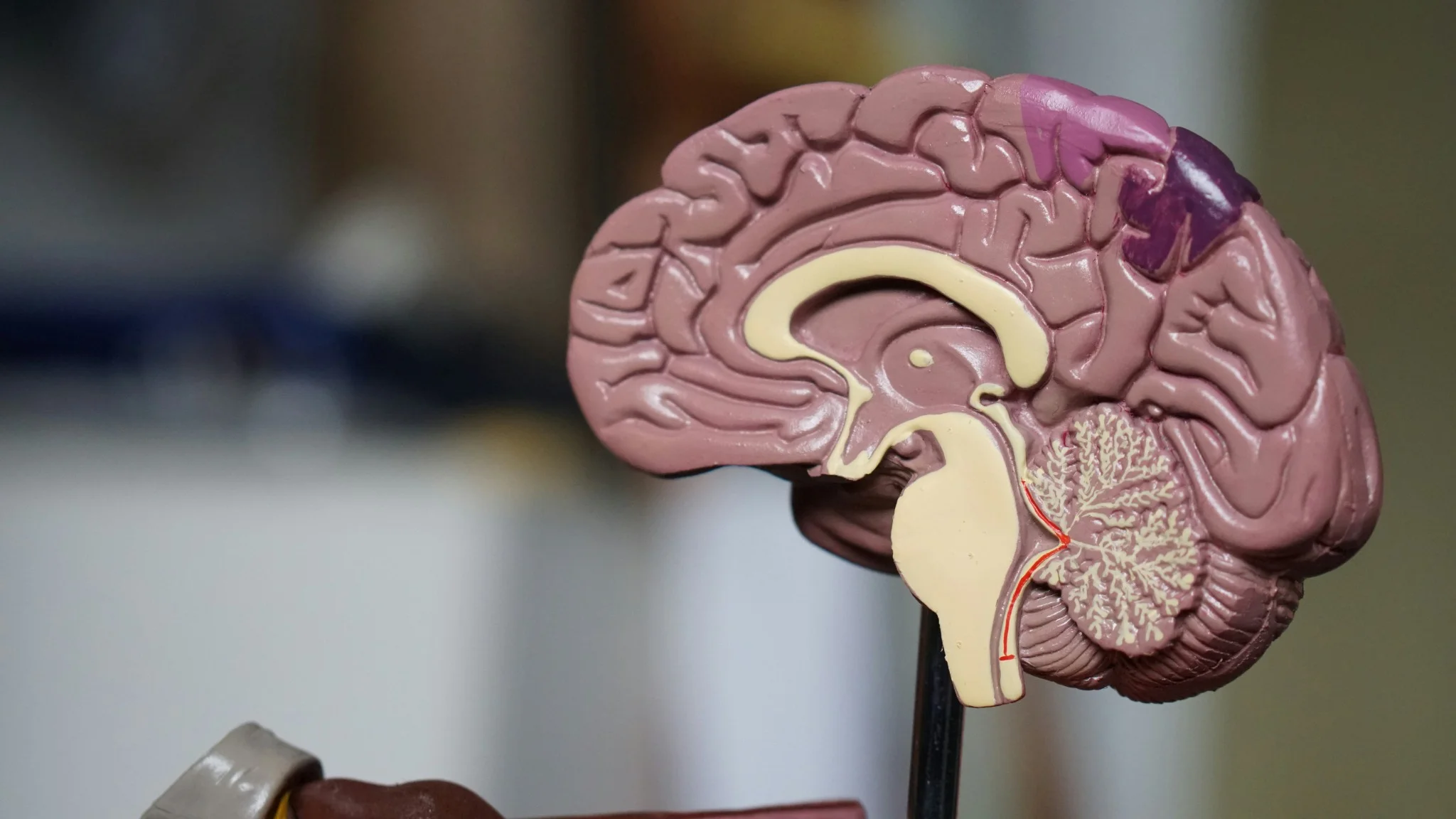
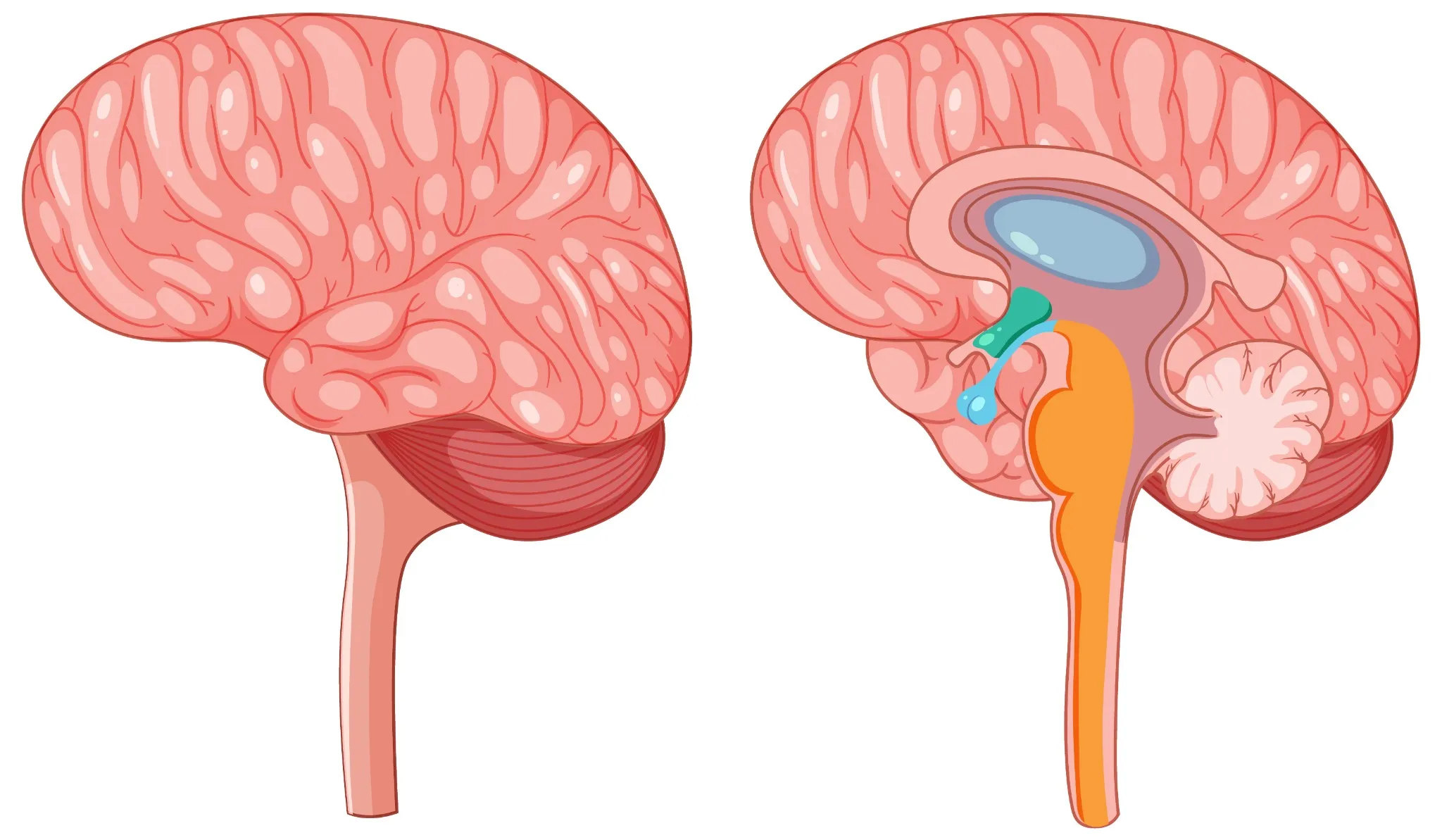
This neurological condition causes progressive damage to neurons in the brain’s posterior regions, creating a disconnect between visual input and the brain’s ability to interpret it. The cortical degeneration specifically targets brain networks responsible for integrating sensory, emotional, and cognitive information.
As posterior cortical atrophy progresses, affected brain areas gradually lose their ability to process complex visual scenes. This means you might see objects clearly but struggle to understand their meaning, location, or relationship to other items in your environment.
The brain damage occurs gradually over months to years, with symptoms becoming increasingly noticeable as more neural pathways become affected.
Parts of the Brain Commonly Affected in Posterior Cortical Atrophy
• Occipital lobes: Primary visual processing centers that interpret basic visual information.
• Parietal lobes: Regions controlling spatial awareness, coordination, and object recognition.
• Visual cortex: Areas that process and make sense of information received from the eyes.
• Posterior temporal regions: Zones involved in visual-spatial integration and object naming.
• Associative visual areas: Networks that combine visual information with memory and knowledge.
Posterior Cortical Atrophy Symptoms
• Difficulty reading text, especially following lines across a page
• Difficulty judging distances and spatial relationships between objects
• Inability to distinguish between moving and stationary objects
• Difficulty recognizing familiar faces or common household items
• Difficulty using everyday objects like mobile phones or remote controls
• Problems with writing, including maintaining proper letter spacing
• Challenges with arithmetic and number comprehension
• Increased sensitivity to bright lights or reflective surfaces
• Double vision or visual distortions
• Difficulty navigating familiar environments
• Problems with depth perception, particularly when using stairs
• Visual hallucinations, especially in later stages
Early Symptoms to Watch For
• Blurred or distorted vision without apparent eye problems
• Difficulty following text while reading books or newspapers
• Problems with handwriting, including irregular letter formation
• Increased sensitivity to bright lighting conditions
• Objects appearing to move when they should be stationary
• Trouble reading larger print like newspaper headlines
• Difficulty seeing clearly in dimly lit environments
• Increased anxiety, especially in visually complex environments
• Subtle misperceptions, such as seeing one object as something else
• Problems finding items that are in plain sight
• Difficulty with tasks requiring visual-motor coordination
Progression: How Symptoms Change Over Time
Posterior cortical atrophy symptoms follow a predictable progression pattern, with visual problems dominating early stages before cognitive symptoms emerge. Initially, you might experience subtle difficulties with reading or depth perception that gradually intensify over several years.
As this neurological condition advances, posterior cortical atrophy symptoms may expand to include word-finding difficulties, memory issues, and broader cognitive challenges. The visual symptoms often become so severe that individuals develop functional blindness, meaning they lose practical sight despite having healthy eyes.
In later stages, some people may develop jerking movements in their limbs or, rarely, seizures as the cortical degeneration spreads to other brain regions.
How PCA Symptoms Differ From Alzheimer's Disease
The key distinction between posterior cortical atrophy and typical Alzheimer's disease lies in the initial symptom presentation. While Alzheimer's disease usually begins with memory loss and confusion, PCA primarily affects visual processing abilities.
This neurological condition represents an atypical variant of Alzheimer's disease where the disease process targets visual regions rather than memory centers. Memory function often remains relatively intact during early stages, which can make diagnosis challenging when healthcare providers expect typical dementia symptoms.
Causes & Risk Factors of Posterior Cortical Atrophy
Posterior cortical atrophy causes are primarily linked to underlying neurodegenerative processes, with Alzheimer's disease being responsible for the vast majority of cases. In these instances, the characteristic amyloid plaques and tau tangles associated with Alzheimer's disease preferentially affect the posterior brain regions, leading to the distinctive pattern of cortical degeneration.
Environmental factors, genetics, and individual brain anatomy may all influence which pattern of neurodegeneration develops.
Possible Neurological Causes Linked to PCA
• Alzheimer's disease: The most common underlying pathology causing posterior cortical atrophy.
• Lewy body dementia: An alternative cause involving different protein deposits.
• Corticobasal degeneration: A rare movement disorder affecting posterior brain regions.
• Creutzfeldt-Jakob disease: A prion-related condition occasionally causing similar symptoms.
• Frontotemporal dementia: A less common cause of posterior cortical changes.
Risk Factors and Who They Affect Most
Posterior cortical atrophy typically develops in people aged 50-65, though it can occasionally affect older individuals. A family history of Alzheimer's disease or other neurodegenerative conditions may increase risk, particularly if relatives developed young-onset dementia. However, most cases occur sporadically without obvious genetic connections.
Cardiovascular risk factors that affect Alzheimer's disease risk, such as diabetes, high blood pressure, and heart disease, may also influence posterior cortical atrophy development.
How Posterior Cortical Atrophy Is Diagnosed
- Comprehensive neurological examination: Healthcare providers conduct detailed assessments of cognitive function, visual processing abilities, and neurological reflexes.
- Detailed medical history review: Doctors explore symptom onset, progression patterns, and family history of neurodegenerative conditions.
- Specialized cognitive testing: Neuropsychological evaluations assess visual-spatial abilities, reading, writing, and calculation skills.
- Advanced brain imaging studies: MRI scans reveal characteristic patterns of brain atrophy in posterior regions.
- Additional diagnostic tests: PET scans or cerebrospinal fluid analysis may help confirm underlying Alzheimer's pathology.
Tests Used for Confirming Posterior Cortical Atrophy
• Magnetic Resonance Imaging (MRI): Shows brain structure changes and atrophy patterns.
• Computed Tomography (CT scan): Provides detailed brain images revealing tissue loss.
• Positron Emission Tomography (PET): Measures brain activity and metabolism patterns.
• Comprehensive eye examination: Helps rule out primary eye diseases that may cause visual symptoms.
• Blood tests: These include the Alzheimer’s Disease Screening Profile, Autoimmune Encephalitis Panel, and other tests that help rule out similar conditions.
• Cerebrospinal fluid analysis: May detect Alzheimer's disease proteins.
Posterior Cortical Atrophy Treatment Options
Currently, no cure exists for this condition, making symptom management the primary focus of posterior cortical atrophy treatment approaches. Since Alzheimer's disease underlies most cases, medications approved for Alzheimer's may help slow cognitive decline.
The posterior cortical atrophy treatment strategy emphasizes maintaining quality of life, preserving independence, and supporting both patients and families through the disease progression. Treatment plans typically combine medications, therapy interventions, and practical adaptations.
Medications That Help Manage Symptoms
• Cholinesterase inhibitors: Donepezil, rivastigmine, and galantamine may slow cognitive decline.
• NMDA receptor antagonist: Memantine can help manage moderate to severe symptoms.
• Antidepressants: Address anxiety and depression commonly associated with the condition.
• Sleep medications: Manage sleep disturbances that often accompany neurological conditions.
• Anti-seizure medicines: Used if seizures develop in advanced stages.
Occupational & Visual Therapy for PCA
Occupational therapy plays a crucial role in posterior cortical atrophy treatment by helping you adapt to visual processing difficulties. Therapists can recommend home modifications, teach compensatory strategies, and suggest assistive technologies that support daily functioning.
Visual therapy techniques focus on maximizing remaining vision and developing alternative strategies for completing tasks. This might include using high-contrast materials, improving lighting conditions, and teaching patients to rely more heavily on other senses
Complications of Posterior Cortical Atrophy
• Functional blindness: Severe visual processing problems despite healthy eyes.
• Increased fall risk: Poor spatial awareness and depth perception leading to accidents.
• Social isolation: Difficulty recognising faces or navigating social situations.
• Driving safety concerns: Impaired visual processing makes driving dangerous.
• Daily living challenges: Difficulty performing routine tasks such as cooking, cleaning, and personal care.
• Anxiety and depression: Emotional responses to progressive functional decline.
• Seizures: Possible development in advanced stages of the condition.
When to See a Neurologist or Eye Specialist
- Persistent reading difficulties: When text appears blurry, or letters seem to move despite normal eye exams.
- Unexplained spatial problems: Difficulty judging distances, bumping into objects, or getting lost in familiar places.
- Progressive visual complaints: Worsening light sensitivity, double vision, or colour perception changes.
- Unexplained anxiety or confusion: Especially when performing visual tasks or navigation.
Understanding Healthcare & Cost Considerations for PCA Care
Managing posterior cortical atrophy requires ongoing medical care, diagnostic testing, and supportive services that can create significant financial implications. Understanding available resources helps families plan effectively for long-term care needs.
Healthcare costs typically include regular neurological consultations, brain imaging studies, medications, and various therapy services. Early planning for care needs, exploring support services, and understanding insurance benefits can help manage the financial impact of this neurological condition while ensuring optimal care quality.
Conclusion
Posterior cortical atrophy presents unique challenges that require specialised understanding and comprehensive management approaches. Recognising posterior cortical atrophy symptoms early, pursuing proper diagnosis, and implementing appropriate treatment strategies can significantly impact your quality of life.
This neurological condition affects each person differently, but with proper medical support, adaptive strategies, and family involvement, you can maintain meaningful activities and relationships.
At Metropolis Healthcare, we understand the importance of accurate diagnostic testing in managing complex neurological conditions. Our comprehensive portfolio of more than 4,000 tests includes specialized panels for neurological disorders, supported by advanced laboratories and expert analysis.
Through our extensive network of over 10,000 touchpoints across India, we provide convenient home sample collection services, ensuring you receive reliable diagnostic support for managing neurological health concerns.
FAQs
Is posterior cortical atrophy a form of Alzheimer's?
Yes, posterior cortical atrophy is considered an atypical variant of Alzheimer's disease, affecting visual processing areas rather than memory centers initially.
What is the life expectancy for someone with PCA?
Life expectancy varies individually, but progression typically occurs over 8-12 years, similar to typical Alzheimer's disease timelines.
What are usually the first signs of posterior cortical atrophy?
The initial signs of PCA include:
• Difficulty reading lines of text or following written material
• Problems judging distances or spatial relationships
• Increased sensitivity to bright lights or reflective surfaces
• Writing difficulties and trouble with mathematical calculations
• Objects appearing to move when stationary
Can posterior cortical atrophy be slowed down?
Currently available medications may slow progression, though no treatments can stop or reverse this neurological condition completely.
Are vision problems from PCA permanent?
Yes, visual processing difficulties from posterior cortical atrophy are progressive and permanent, though adaptive strategies can help manage symptoms.
What support do caregivers need for PCA patients?
Caregivers benefit from education about the condition, respite care services, support groups, and guidance on safety modifications.
References
- https://www.alz.org/alzheimers-dementia/what-is-dementia/types-of-dementia/posterior-cortical-atrophy
- https://www.mayoclinic.org/diseases-conditions/posterior-cortical-atrophy/symptoms-causes/syc-20376560
- https://www.ncbi.nlm.nih.gov/books/NBK580553/
- https://my.clevelandclinic.org/health/diseases/posterior-cortical-atrophy
- https://eyewiki.org/Visual_Variant_of_Alzheimer%E2%80%99s_Disease
- https://pmc.ncbi.nlm.nih.gov/articles/PMC6050447/