Home Visit
 Upload






Preventive Healthcare
Ovarian Hyperstimulation Syndrome: Risks, Symptoms & Treatment Options
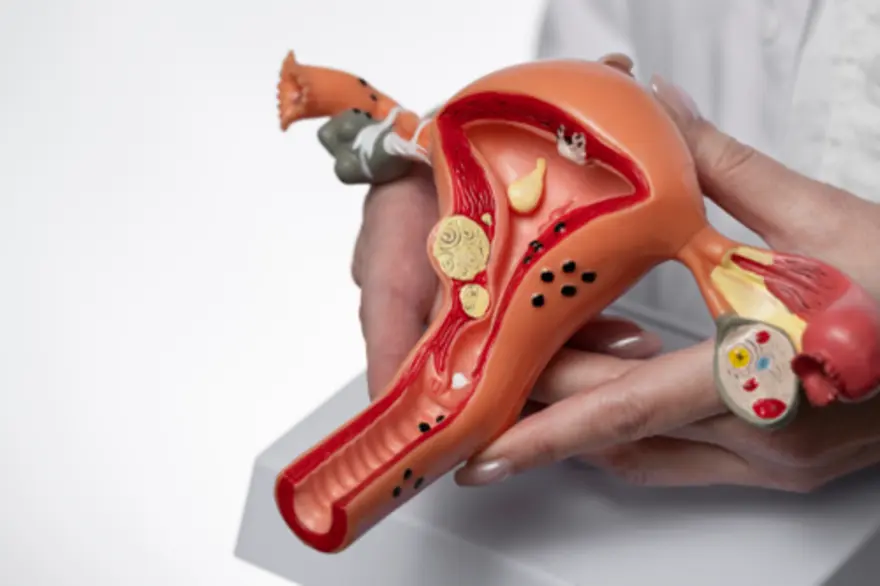
Table of Contents
- What Is Ovarian Hyperstimulation Syndrome?
- What Causes Ovarian Hyperstimulation Syndrome?
- How Ovarian Hyperstimulation Syndrome Develops (Mechanism)
- Types of Ovarian Hyperstimulation Syndrome
- Symptoms of Ovarian Hyperstimulation Syndrome
- Risk Factors for Ovarian Hyperstimulation Syndrome
- Complications of Ovarian Hyperstimulation Syndrome
- How Is Ovarian Hyperstimulation Syndrome Diagnosed?
- Diagnostic Tests for OHSS
- Treatment for Ovarian Hyperstimulation Syndrome
- Prevention Tips for Ovarian Hyperstimulation Syndrome
- When to See a Doctor for Ovarian Hyperstimulation Syndrome
- Outlook & Recovery for Ovarian Hyperstimulation Syndrome
- Conclusion
- FAQs
What Is Ovarian Hyperstimulation Syndrome?
Ovarian hyperstimulation syndrome (OHSS) occurs when the ovaries respond excessively to fertility medications used in treatments such as in vitro fertilization (IVF), particularly those used during in vitro fertilisation (IVF) treatments. When OHSS occurs, the ovaries become significantly enlarged and swollen, often accompanied by fluid leaking from blood vessels into the abdominal cavity.
It most commonly affects women receiving injectable gonadotropin fertility medications that stimulate multiple egg production, which stimulate the ovaries to produce multiple eggs rather than the single egg typically released during a natural menstrual cycle. While most OHSS cases are mild and resolve on their own, severe forms can cause serious complications that require prompt medical care.
What Causes Ovarian Hyperstimulation Syndrome?
The primary trigger for OHSS is an abnormal ovarian response to fertility medications designed to stimulate egg production.
Key causes and contributing factors include:
• Human chorionic gonadotropin (hCG): This hormone triggers ovulation but can overstimulate sensitive ovaries.
• Injectable gonadotropins: Follicle-stimulating hormone (FSH) medications used to develop multiple eggs
• Hormonal imbalances: Elevated levels of oestrogen, prolactin, and other reproductive hormones
• Vasoactive substances: Compounds like interleukins and vascular endothelial growth factor that increase blood vessel permeability
• Individual sensitivity: Some women naturally have heightened ovarian responses to stimulation
OHSS most often develops after administration of hCG to trigger final egg maturation, which is used to trigger final egg maturation before retrieval. In some cases, natural HCG production during early pregnancy can worsen existing symptoms.
How Ovarian Hyperstimulation Syndrome Develops (Mechanism)
When fertility medications enter your system, they stimulate your ovaries to produce multiple eggs simultaneously, rather than the single egg typically released during natural menstrual cycles.
In susceptible individuals, the ovaries overrespond dramatically to these hormonal signals. The ovarian tissue releases vasoactive substances that cause nearby blood vessels to leak fluid into surrounding tissues.
This fluid shift triggers a chain of physiological effects throughout the body. As fluid accumulates in your abdomen, it can also collect around your lungs and heart in severe cases. Meanwhile, your blood volume decreases, potentially affecting kidney function and blood pressure.
Types of Ovarian Hyperstimulation Syndrome
According to the American Society for Reproductive Medicine, OHSS is classified into different categories based on timing of onset and severity of symptoms:
• Early OHSS: Develops after 4-7 days of the HCG trigger injection
• Late OHSS: Occurs at least after 9 days after HCG administration, often related to pregnancy
• Mild, moderate, or severe: Classifications based on symptoms and laboratory findings
Mild OHSS
Mild OHSS typically causes manageable discomfort that doesn't significantly interfere with daily activities:
• Temporary abdominal discomfort and mild pain
• Slight bloating and abdominal swelling
• Mild nausea that comes and goes
• Minimal impact on normal routine activities
• Can progress to more severe forms, especially if pregnancy occurs
• Requires observation and medical guidance for one to two weeks
Moderate Ovarian Hyperstimulation Syndrome
Moderate cases involve more pronounced symptoms that may affect your comfort and daily functioning:
• Increased abdominal pain and noticeable swelling
• Persistent nausea and occasional vomiting
• Weight gain due to fluid retention
• More significant interference with normal activities
• Requires regular medical monitoring and follow-up visits
• May need prescription medications for symptom management
Severe Ovarian Hyperstimulation Syndrome
Severe OHSS is a medical emergency that requires hospital care:
• Continuous vomiting with inability to keep fluids down
• Severe abdominal distension and intense pain
• Shortness of breath due to fluid around the lungs
• Rapid weight gain exceeding 2 pounds per day
• Significantly decreased urination or dark-coloured urine
• Dizziness, fainting, or confusion
• Potential kidney, liver, and lung function complications
Symptoms of Ovarian Hyperstimulation Syndrome
These symptoms typically develop within days of your fertility medication injections and can range from mild discomfort to severe complications:
• Abdominal pain ranging from mild to severe
• Bloating and visible abdominal swelling
• Nausea and vomiting of varying intensity
• Rapid weight gain due to fluid retention
• Severe OHSS is a medical emergency that requires hospital care
• Shortness of breath in more severe cases
• Dizziness or light-headedness
• Mild fever occasionally accompanying other symptoms
Risk Factors for Ovarian Hyperstimulation Syndrome
• Polycystic ovary syndrome (PCOS) significantly increases OHSS risk
• Young age, particularly women under 35
• Low body weight or body mass index
• High antral follicle count on ovarian ultrasound
• Elevated baseline follicle-stimulating hormone levels
• High oestradiol levels during stimulation cycles
• Previous history of OHSS in prior fertility treatments
• Use of GnRH agonist protocols
• Higher doses of gonadotropin medications
• Rapid rise in HCG levels during treatment
Complications of Ovarian Hyperstimulation Syndrome
While most cases of ovarian hyperstimulation syndrome resolve without lasting effects, severe cases can lead to serious complications affecting multiple organ systems. The fluid shifts characteristic of OHSS can compromise normal body functions and require intensive medical management.
Potential complications include:
• Kidney dysfunction: Reduced blood flow can impair kidney function
• Liver complications: Fluid accumulation can affect liver performance
• Respiratory distress: Fluid around the lungs makes breathing difficult
• Blood clotting disorders: Increased risk of thrombosis
• Electrolyte imbalances: Disrupted mineral levels affecting heart rhythm
• Ovarian rupture: Rare but serious ovarian tissue damage
• Infection risks: Compromised immune function in severe cases
How Is Ovarian Hyperstimulation Syndrome Diagnosed?
- Medical history review: Discussion of fertility treatments and symptom timeline
- Physical examination: Assessment of abdominal swelling, weight changes, and vital signs
- Symptom evaluation: Detailed review of pain levels, nausea, and breathing difficulties
- Laboratory testing: Blood tests to check kidney function, electrolyte levels, and blood counts
- Imaging studies: Ultrasound to measure ovarian size and detect fluid accumulation
- Monitoring protocols: Regular follow-up assessments to track symptom progression
Diagnostic Tests for OHSS
• CBC (Complete Blood Count) Test: Evaluates blood cell concentrations affected by fluid shifts
• Comprehensive Metabolic Panel: Checks liver, kidney, and electrolyte balance
• Proteins, Serum Test: Measures albumin and total protein to assess fluid balance
• Hormone levels: Oestradiol (E2) and hCG beta subunit tests to monitor ovarian activity measurements to understand ovarian activity
• DIC (Coagulation) Profile: Assesses blood clotting function
• Urine Routine Test (Urine R/M Test): Monitors kidney function and hydration status
• Pelvic ultrasound: Visualises ovarian size, cyst formation, and abdominal fluid
• Chest X-ray: Detects fluid accumulation around the lungs in severe cases
Treatment for Ovarian Hyperstimulation Syndrome
Ovarian hyperstimulation syndrome treatment varies significantly based on symptom severity and individual patient factors. Most mild cases resolve with conservative management, while severe cases require intensive medical intervention and hospitalisation.
Treatment approaches focus on symptom relief, preventing complications, and supporting the body's natural recovery processes. Your healthcare provider will develop a personalised treatment plan based on your specific symptoms and risk factors.
The primary goals include maintaining fluid balance, preventing blood clots, managing pain, and monitoring for complications. Treatment may involve medications, lifestyle modifications, and, in severe cases, procedures to remove excess abdominal fluid.
Home-Based Care for Mild OHSS
Mild OHSS can often be managed at home with careful self-monitoring and supportive measures:
• Rest and activity modification to reduce physical stress
• Adequate hydration with electrolyte-rich fluids
• Pain management using paracetamol as directed
• Regular weight monitoring to track fluid retention
• Gentle movement to prevent blood clot formation
• Dietary modifications, including increased protein intake
• Avoiding strenuous exercise until symptoms resolve
Medical Treatment Options for Severe Cases
Severe OHSS requires immediate medical intervention to prevent life-threatening complications. Hospital treatment focuses on restoring fluid balance, supporting organ function, and preventing complications as the condition resolves..
• Intravenous fluid therapy: Careful fluid replacement to maintain blood volume
• Electrolyte monitoring: Regular blood tests to prevent dangerous imbalances
• Paracentesis: Drainage of excess abdominal fluid in severe cases
• Thoracentesis: Removal of fluid from around the lungs if breathing is compromised
• Anticoagulation therapy: Blood thinners to prevent clot formation
• Nutritional support: Ensuring adequate nutrition despite nausea and vomiting
Prevention Tips for Ovarian Hyperstimulation Syndrome
- Pre-treatment assessment identifying individual risk factors and medical history
- Medication dose adjustment using lower starting doses for high-risk patients
- Using GnRH agonists instead of hCG as a trigger when appropriate
- Cycle monitoring through regular ultrasounds and blood tests
- Embryo freezing to postpone transfer when OHSS risk is elevated
- Gradual stimulation protocols using gentler medication approaches
When to See a Doctor for Ovarian Hyperstimulation Syndrome
• Severe abdominal pain or rapidly worsening discomfort
• Persistent vomiting preventing you from keeping fluids down
• Difficulty breathing or shortness of breath
• Rapid weight gain
• Decreased urination or significant changes in urine output
• Dizziness, fainting, or severe weakness
• Signs of dehydration despite adequate fluid intake
Outlook & Recovery for Ovarian Hyperstimulation Syndrome
The prognosis for OHSS is generally very good, with most cases resolving completely within 1-2 weeks without lasting effects. Your recovery timeline depends on symptom severity and how quickly you receive appropriate care.
Mild cases typically improve within days as hormone levels normalise and fluid balance is restored naturally. Moderate cases may require several weeks for complete resolution, whilst severe cases need longer recovery periods with careful medical monitoring.
Conclusion
Understanding ovarian hyperstimulation syndrome empowers you to make informed decisions about fertility treatments while recognising when to seek medical care. While OHSS represents one of the most significant IVF risks, modern medical protocols have dramatically reduced its occurrence and severity. By working closely with experienced fertility specialists, monitoring your symptoms carefully, and following prevention strategies, you can minimise your risk of OHSS.
Remember that most cases of ovarian hyperstimulation syndrome are mild and resolve quickly with supportive care. Even severe cases, while requiring intensive medical management, typically result in complete recovery without lasting effects.
At Metropolis Healthcare, we support your health journey with comprehensive diagnostic services spanning over 4,000 tests and profiles. Our extensive network of 220+ laboratories and 10,000+ touchpoints ensures convenient access to essential monitoring tests for fertility-related conditions. With our reliable home sample collection service, you can conveniently access essential fertility and hormonal testing for safe treatment monitoring.
FAQs
Is Ovarian Hyperstimulation Syndrome life-threatening?
Severe OHSS can be life-threatening if untreated, but with proper medical care, serious complications are extremely rare and outcomes are generally excellent.
How long does Ovarian Hyperstimulation Syndrome last?
Most cases resolve within 1-2 weeks as hormone levels normalise, though severe cases may require several weeks for complete recovery.
Can Ovarian Hyperstimulation Syndrome affect pregnancy?
OHSS doesn't typically affect pregnancy outcomes when properly managed, though severe cases may require careful monitoring and modified care approaches.
Who is most at risk of Ovarian Hyperstimulation Syndrome?
• Women with polycystic ovary syndrome (PCOS)
• Younger patients under 35 years of age
• Those with low body weight or high antral follicle counts
• Patients with previous OHSS history
Can Ovarian Hyperstimulation Syndrome be prevented during IVF?
Yes, prevention strategies include careful dose adjustment, alternative triggering medications, intensive monitoring, and embryo freezing when risks are elevated.
What foods or lifestyle changes help manage Ovarian Hyperstimulation Syndrome symptoms?
• Light, easily digestible meals to reduce nausea
• Adequate hydration with clear fluids
• Rest and limited physical activity
• Daily weight monitoring for fluid changes