Home Visit
 Upload






Preventive Healthcare
Hip Joints: How They Work & Common Problems
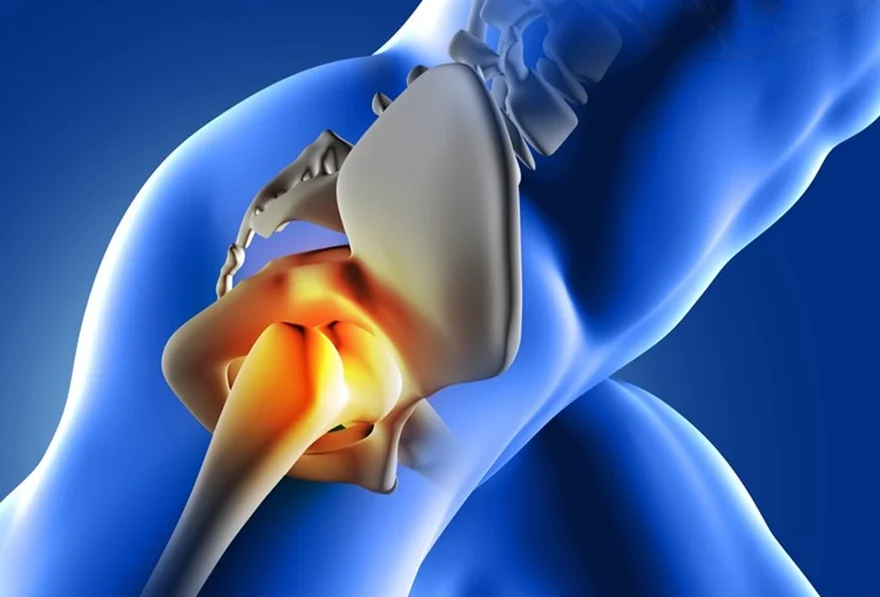
Table of Contents
What is the Hip Joint?
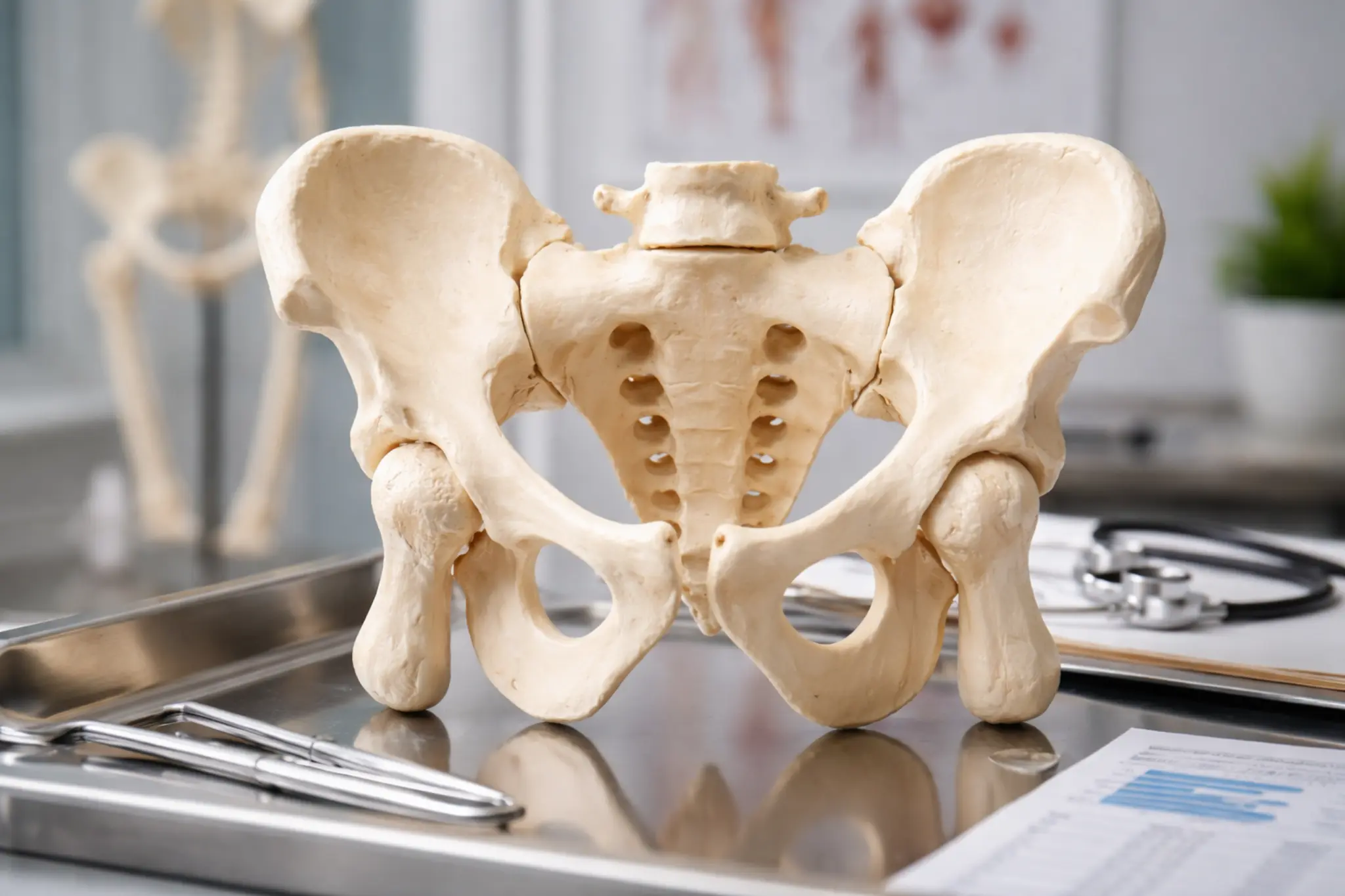
The hip joint forms where the rounded head of your femur (thigh bone) fits snugly into the cup-shaped socket of your pelvis, called the acetabulum. This ball-and-socket design allows your hip joint to move in multiple directions while providing exceptional stability and strength.
Your hip joint is one of the body’s largest and strongest joints, bearing your body weight while allowing smooth movement during walking, running, and everyday activities. Understanding the anatomy of the hip joint and recognising common problems can help you maintain better mobility and seek timely treatment when needed.
Anatomy of the Hip Joint
Understanding the hip joint anatomy helps explain how this complex structure functions so effectively.
- A detailed hip joint diagram would show the following essential components:
- Femoral head: The rounded upper end of your thigh bone that forms the “ball”
- Acetabulum: The cup-shaped socket in your pelvis
- Articular cartilage: Smooth tissue covering bone surfaces for frictionless movement
- Acetabular labrum: A fibrocartilage ring that deepens the socket and enhances joint stability
- Joint capsule: Tough fibrous covering that encloses the joint
- Synovial membrane: Inner lining that produces lubricating fluid
- The hip joint ligaments provide crucial stability:
- Iliofemoral ligament: The body's strongest ligament, preventing overextension
- Pubofemoral ligament: Reinforces the front of the joint
- Ischiofemoral ligament: Supports the back of the joint and limits internal rotation
- Your hip joint muscles include powerful groups such as the gluteal muscles, hip flexors, adductors, and deep rotators that control movement and maintain stability.
How the Hip Joint Works
Your hip joint functions as a sophisticated ball-and-socket mechanism, allowing remarkable freedom of hip joint movement in multiple directions. The femoral head rotates smoothly within the acetabulum, supported by the joint capsule and surrounding hip joint muscles. This design enables flexion (bringing your knee towards your chest), extension (moving your leg backward), abduction (lifting your leg sideways), adduction (bringing your leg inward), and rotation movements.
During walking, your hip joint experiences forces up to three times your body weight, and even higher during running or jumping. The articular cartilage absorbs shock and reduces friction, while the hip joint ligaments prevent excessive movement. The coordinated action of your hip joint muscles provides the power for movement while maintaining stability and balance.
Common Problems of the Hip Joint
Several conditions can affect your hip joint, causing joint pain and limiting mobility. Understanding these problems helps you recognise symptoms early:
- Osteoarthritis: Cartilage breakdown causing pain and stiffness
- Rheumatoid arthritis: An autoimmune condition that causes chronic inflammation of the joint lining (synovium)
- Hip fractures: Breaks in the femur, often requiring immediate medical attention
- Hip labral tears: Damage to the cartilage ring around the socket
- Bursitis: Inflammation of fluid-filled sacs near the joint
- Tendinitis: Inflammation of tendons connecting hip joint muscles to bones
- Hip dysplasia: Abnormal joint development, sometimes present from birth
- Avascular necrosis: Reduced blood supply causing bone tissue death
Arthritis and the Hip Joint
Arthritis represents the most common cause of chronic hip joint pain, affecting millions of people worldwide. Osteoarthritis develops when the protective cartilage in your hip joint gradually wears away, leading to bone-on-bone contact. This process typically occurs over years, causing progressive joint pain, stiffness, and reduced hip joint movement.
The ICMR provides a grading system for osteoarthritis of the hip based on the Kellgren & Lawrence criteria, ranging from Grade 1 (doubtful OA) to Grade 4 (severe OA). Key features requiring surgery include deformity and pain limiting daily activities, persistent pain at rest, high analgesic needs, and bilateral ankylosis after conservative measures have failed.
Hip Fractures
A hip joint fracture typically occurs in the upper part of the femur and represents a serious medical emergency requiring immediate attention. These injuries most commonly affect older adults, particularly women with osteoporosis, though they can result from high-energy trauma in younger individuals.
Hip fractures almost always require surgical repair or replacement, followed by comprehensive rehabilitation to restore mobility and independence.
Hip Labral Tears
Hip labral tears involve damage to the cartilage ring surrounding your acetabulum, often causing deep joint pain and mechanical symptoms. Athletes involved in sports requiring repetitive hip rotation, such as golf or ballet, face increased risk of these injuries.
You might experience a catching or locking sensation during hip joint movement, along with pain that worsens with certain positions. Many people describe the pain as deep within the joint, different from muscle-related discomfort. Early diagnosis and appropriate treatment can prevent further joint damage and improve long-term outcomes.
Hip Joint Replacement Surgery
Hip joint replacement becomes necessary when conservative treatments fail to provide adequate relief from severe joint pain and disability. This surgical procedure involves removing damaged bone and cartilage, replacing them with artificial components made from metal, ceramic, or plastic materials.
Modern hip replacement techniques achieve excellent outcomes, with over 95% of patients experiencing significant pain relief and improved function. The artificial joint typically lasts 15-20 years with proper care, allowing you to return to most normal activities, including walking, swimming, and cycling.
Prevention of Hip Joint Problems
- Maintain a healthy weight to reduce stress on your joints
- Exercise regularly with low-impact activities like swimming or cycling
- Strengthen your hip joint muscles through targeted exercises
- Improve flexibility with regular stretching routines
- Practice good posture during daily activities
- Wear supportive footwear to maintain proper alignment
- Ensure adequate calcium and vitamin D intake to support bone strength and density
- Avoid repetitive high-impact activities that stress the joint
How to Care for Hip Pain
- Rest the affected hip and avoid activities that worsen pain
- Apply ice packs for 15–20 minutes several times daily to reduce inflammation and pain
- Use over-the-counter pain relievers as directed by your healthcare provider
- Perform gentle stretching exercises to maintain flexibility
- Consider physical therapy for strengthened hip joint muscles
- Use assistive devices like walking sticks if needed for support
- Maintain good posture and proper body mechanics to reduce joint stress
- Seek medical evaluation if pain persists or worsens
Hip Joint Treatment Options
Treatment for hip joint problems varies depending on the underlying cause and severity of symptoms. Conservative approaches often include rest, physical therapy, anti-inflammatory medications, and lifestyle modifications. Your healthcare provider may recommend corticosteroid injections to reduce inflammation and provide temporary pain relief.
For more severe conditions, surgical interventions may become necessary. In cases of advanced arthritis or severe fractures, hip joint replacement offers the best long-term solution for pain relief and restored mobility.
Recovery from Hip Surgery
Recovery from hip surgery requires patience and commitment to rehabilitation. Most patients begin physical therapy within days of hip joint replacement surgery, focusing initially on basic movements and gradually progressing to more complex activities. Full recovery typically takes 3–6 months and can extend up to a year depending on individual factors, though many people notice significant improvement within the first few weeks.
Conclusion
Understanding your hip joint anatomy and recognising common problems empowers you to maintain better joint health and seek appropriate treatment when needed. Whether you're dealing with early joint pain or considering hip joint replacement, working closely with healthcare professionals ensures the best possible outcomes.
At Metropolis Healthcare, we support your journey towards better joint health with comprehensive diagnostic services. Our extensive network of over 220 laboratories and 4,600+ service centres ensures convenient access to advanced testing when you need it most. With our home sample collection service spanning 10,000+ touchpoints across India, you can access reliable diagnostics from the comfort of your home.
FAQs
What are the common causes of hip pain?
Hip joint pain is often caused by arthritis, fractures, muscle strains, bursitis, tendinitis, or overuse injuries. Posture issues, excess weight, and certain medical conditions can also contribute.
How do I know if I need a hip replacement?
You may need a hip replacement if severe, constant pain limits daily activities, affects sleep, or reduces mobility despite treatment. Your doctor will assess symptoms and imaging results before recommending surgery.
Can hip pain be treated without surgery?
Yes. Physical therapy, medication, weight control, and activity changes can effectively manage many cases. Surgery is usually considered only for severe arthritis or major structural damage.
How long does it take to recover from hip surgery?
Most people walk with support within a few days and resume light activities in 6–8 weeks. Full recovery typically takes 3–6 months, sometimes up to a year.
References
- https://teachmeanatomy.info/lower-limb/joints/hip-joint/
- https://www.icmr.gov.in/icmrobject/uploads/STWs/1726645315_5_hip_oa.pdf
- https://www.nhs.uk/conditions/hip-pain/
- https://orthoinfo.aaos.org/en/diseases--conditions/hip-fractures/
- https://my.clevelandclinic.org/health/body/24675-hip-joint