Home Visit
 Upload






Preventive Healthcare
Foxtail Millet: A Gluten-Free Supergrain for Diabetics & Weight Watchers
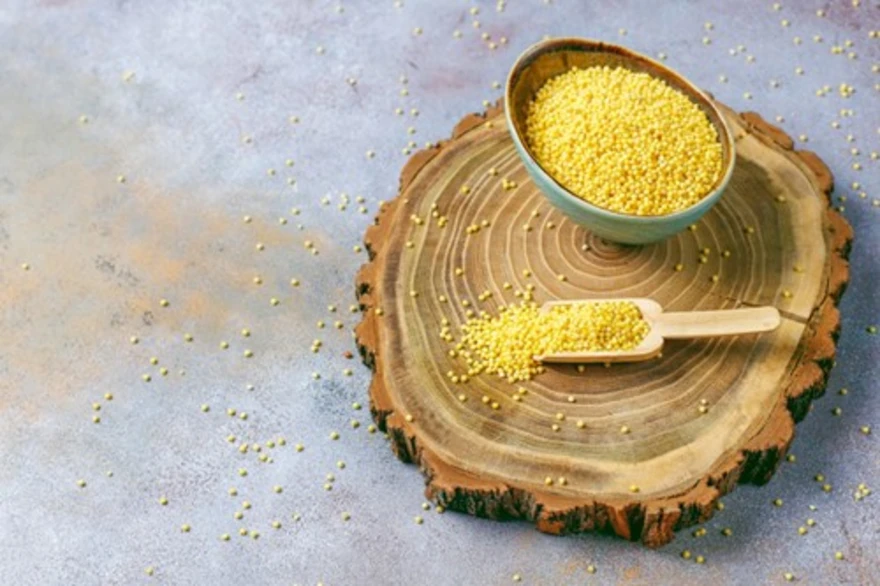
Table of Contents
If you're looking for a nutritious, gluten-free option to manage diabetes or support your weight-loss journey, foxtail millet could be just what you need. There are a wealth of foxtail millet benefits, helping to regulate blood sugar levels and keep you feeling satisfied for longer.
Packed with fibre, vitamins, and minerals, foxtail millet is a great addition to your meals, providing essential nutrients without compromising on taste. Whether you're making a simple meal or exploring new recipes, this versatile grain can fit easily into your daily routine.
What is Foxtail Millet?
Foxtail millet is a highly nutritious, gluten-free grain that has been cultivated for centuries in many parts of the world. It is a type of small, yellowish seed that is rich in fibre, proteins, and essential vitamins.
Foxtail millet is considered a supergrain due to its impressive health benefits, including its ability to help regulate blood sugar levels, improve digestion, and support heart health. Its versatility in cooking makes it an excellent option for those looking to incorporate a healthy, gluten-free grain into their diet.
Where are Foxtail Millets Grown?
Foxtail millet is grown in various parts of the world, primarily in regions with warm, dry climates. It thrives in areas with well-drained soil and minimal water requirements, making it ideal for regions with low rainfall.
India is a significant producer of foxtail millet, especially in states like Rajasthan, Andhra Pradesh, and Karnataka. Another major producer is China, particularly in its northern and western regions. African countries such as Ethiopia, Kenya, and Sudan also cultivate foxtail millet, where it serves as a staple food for many communities. Smaller-scale production can be found in parts of Europe and the Americas, where it is often grown in small quantities by health-conscious farmers and consumers.
The adaptability of foxtail millet to various environmental conditions, particularly its ability to withstand droughts, makes it a sustainable crop for regions facing water scarcity.
What Is Foxtail Millet Called in Other Languages?
Foxtail millet is known by various names around the world, reflecting its widespread cultivation across different cultures and languages. Here are some of the common names:
- India: "Kangni" in Hindi, "Korralu" in Telugu, and "Thinai" in Tamil.
- China: Known as "Shanyang" or "Foxtail Mi" in Mandarin.
- Africa: In some African countries, it's referred to as "Finger Millet" or "Ragi" in regions where it shares a similar use and appearance with other types of millet.
- Europe: "Foxtail" or "Millet" in English; "Milo" in French.
These names highlight foxtail millet’s diverse culinary and cultural significance, making it a global grain with many uses in various cuisines.
Nutritional Value of Foxtail Millet
Foxtail millet is packed with essential nutrients that support your overall health. It is particularly rich in complex carbohydrates, fibre, and antioxidants, making it an excellent choice for managing blood sugar and weight.
Foxtail Millet Nutrition Value (Per 100 g)
|
Nutrient |
Amount |
|
Energy |
356 kcal |
|
Protein |
12.3 g |
|
Carbohydrates |
60.0 g |
|
Fibre |
8.0 g |
|
Fat |
4.3 g |
|
Calcium |
31 mg |
|
Iron |
2.8 mg |
|
Magnesium |
143 mg |
The foxtail millet nutrition value makes it a great option for providing sustained energy while helping to keep you full and satisfied.
Benefits of Adding Foxtail Millet
Adding foxtail millet to your diet comes with a wide range of benefits, especially for individuals managing diabetes or watching their weight. This gluten-free supergrain offers much more than just a nutritious alternative to rice or wheat.
- Blood Sugar Control: Foxtail millet is low in glycaemic index, which means it helps regulate blood sugar levels, making it an ideal choice for diabetics. It releases energy slowly, preventing sudden spikes in blood sugar.
- High in Fibre: The high fibre content in foxtail millet aids in digestion and helps maintain a healthy gut. It promotes regular bowel movements and prevents constipation.
- Supports Heart Health: The antioxidant-rich composition of foxtail millet helps reduce oxidative stress, lowering the risk of heart disease. Additionally, its high magnesium content helps improve blood circulation and lower blood pressure.
- Weight Management: As a low-calorie, high-protein, and high-fibre grain, foxtail millet helps keep you fuller for longer, preventing overeating and supporting healthy weight management.
- Rich in Minerals: Foxtail millet is an excellent source of essential minerals like iron, magnesium, and calcium, all of which are crucial for bone health, muscle function, and overall well-being.
- Gluten-Free and Easy to Digest: Being naturally gluten-free, foxtail millet is an excellent grain for those with gluten intolerance or coeliac disease. Its gentle nature makes it easy to digest for people with sensitive stomachs.
By incorporating foxtail millet benefits into your daily meals, you can support your health in a variety of ways, from weight loss to better digestion.
Stay Cautious While Consuming Foxtail Millets
While foxtail millet offers numerous health benefits, it’s essential to be mindful of a few considerations before adding it to your daily diet.
- Overconsumption of Fibre: Foxtail millet is high in fibre, which is great for digestion. However, if you’re not used to a high-fibre diet, introducing it suddenly may lead to bloating or discomfort. Start with small amounts and gradually increase your intake.
- Caloric Intake: While foxtail millet is a healthy, low-calorie food, portion control is still important for weight watchers. Eating large quantities of any grain can still contribute to excess calorie intake.
- Allergies: Though rare, some individuals may experience an allergic reaction to millet. If you notice any skin irritation, stomach discomfort, or swelling after consuming it, consult your healthcare provider.
- Consult a Doctor: If you have specific dietary concerns or medical conditions, it’s always best to consult your doctor or a nutritionist before adding new grains to your diet. This ensures that your food choices align with your health needs.
Despite these points, foxtail millet is generally safe and beneficial for most individuals when consumed in moderation.
How to Cook Foxtail Millet?
Cooking foxtail millet is easy and versatile, making it an excellent addition to various meals. Here's how you can prepare it:
- Basic Cooking Method:
- Rinse 1 cup of foxtail millet thoroughly.
- Combine it with 2 cups of water (or vegetable broth for extra flavour).
- Bring it to a boil, then reduce the heat to low and cover.
- Let it simmer for 15-20 minutes or until the water is absorbed and the millet is tender.
- Cooking with Vegetables:
- You can sauté foxtail millet with vegetables like carrots, peas, and spinach for a nutritious one-pot meal. Add your choice of spices to enhance the flavour.
- Using in Baking:
- Foxtail millet flour can be used in baking bread, cakes, and muffins. Simply substitute it for wheat flour in your favourite recipes.
- As a Breakfast Porridge:
- Cook foxtail millet in milk or plant-based alternatives, and top with nuts, berries, and a drizzle of honey for a wholesome breakfast.
Foxtail millet’s versatility means you can enjoy it in numerous ways, whether as a side dish, main course, or even dessert.
Conclusion
In conclusion, foxtail millet benefits make it a valuable addition to your diet, especially for managing diabetes and supporting weight loss. With its impressive nutritional profile, it can help you maintain better health and vitality. While you explore the many ways to include this gluten-free grain in your meals, it's also essential to keep your health in check.
For reliable diagnostic services to monitor your health, consider Metropolis Healthcare. With over 40 years of expertise, their accredited labs offer accurate results for a wide range of tests. You can easily book a home visit for your convenience, ensuring you stay informed and proactive about your well-being.
FAQs
Are foxtail millets good for diabetes?
Yes, foxtail millets are excellent for diabetes due to their low glycaemic index, helping regulate blood sugar levels and prevent spikes.
Are foxtail millets good for weight loss?
Foxtail millets are great for weight loss, as they are low in calories, high in fibre, and help keep you full longer, reducing overall calorie intake.
Are foxtail millets good for pregnant women?
Foxtail millets are beneficial for pregnant women due to their rich nutrient profile, providing essential vitamins, minerals, and protein for both mother and baby.
Is foxtail millet better than rice?
Foxtail millet offers more fibre, protein, and essential nutrients compared to rice, making it a healthier alternative for those seeking to manage weight or blood sugar.