Home Visit
 Upload






Preventive Healthcare
Dental Crowns: Medical information & Health Facts
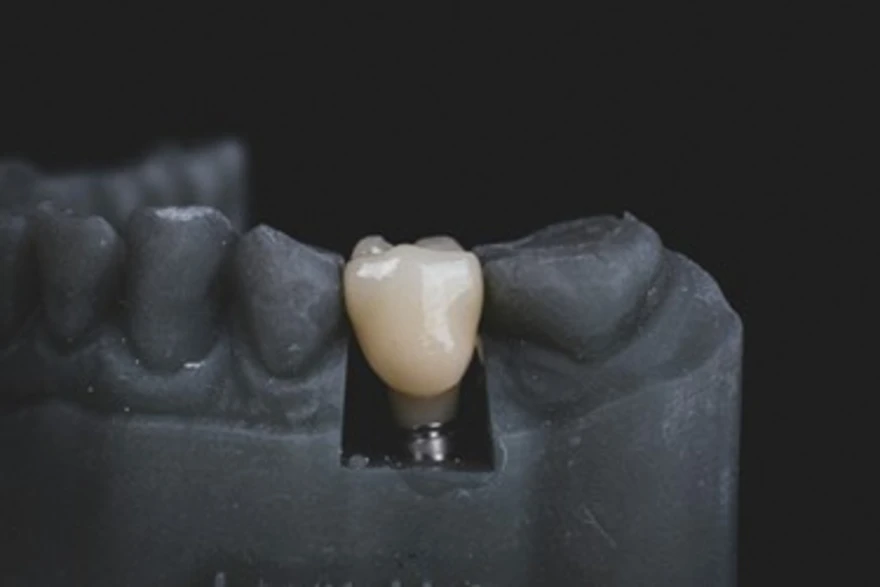
Table of Contents
- What Is a Dental Crown?
- When Do You Need a Dental Crown?
- Types of Dental Crowns
- Dental Crown Procedure
- How Long Do Dental Crowns Last?
- Benefits of Dental Crowns
- Potential Risks & Side Effects
- Temporary Crown Care Tips
- Permanent Crown Care Tips
- Dental Crown Cost and Value
- Dental Crowns vs. Veneers: Understanding the Difference
- Do Dental Crowns Hurt?
- How to Know If Your Tooth Needs a Crown (Signs)
- When to Replace a Dental Crown
- Conclusion
- FAQs
What Is a Dental Crown?
A dental crown is a custom-made cap that fully covers and protects the visible part of a tooth. Think of a tooth crown as a helmet for your damaged tooth – it provides complete protection while maintaining natural appearance and function. The crown becomes the new outer surface of your tooth, allowing you to bite, chew, and speak normally.
Modern dental crowns are crafted to match your natural teeth perfectly. They're designed using precise measurements and colour matching to ensure seamless integration with your smile. Whether you need a single dental cap or multiple crowns, each one is individually crafted to fit your mouth's unique anatomy.
The crown is permanently bonded to your prepared tooth with durable dental cement. Once in place, your tooth crown functions exactly like a natural tooth, often lasting 10-15 years with proper care. Many patients find that dental crowns strengthen their bite and boost confidence when eating, speaking, and smiling.
When Do You Need a Dental Crown?
Understanding when you might need dental crowns helps you recognise potential issues early.
Several situations commonly require crown placement:
- Large cavities that cannot support traditional fillings
- Cracked or fractured teeth requiring structural support
- Severely worn teeth from grinding or acid erosion
- Teeth with extensive existing fillings where the natural structure is compromised
- Root canal-treated teeth that need protection from fracture
- Misshapen or severely discoloured teeth affecting your smile
- Dental implant coverage for complete tooth replacement
- Bridge anchoring to support adjacent tooth replacement
Types of Dental Crowns
Types of dental crowns vary based on materials, each offering specific advantages for different situations:
Metal Crowns:
- Gold alloy crowns provide exceptional durability and biocompatibility
- Base-metal alloy crowns provide strong, affordable protection for back teeth
- Ideal for back teeth where aesthetics matter less
- Rarely chip or break under normal use
Porcelain and All-Ceramic Crowns:
- All-ceramic crowns provide the most natural appearance
- Porcelain-fused-to-metal crowns combine strength with aesthetics
- Perfect colour matching for front teeth
- Suitable for patients with metal allergies
Composite Resin Crowns:
- Most affordable dental cap option
- Can be completed in a single visit
- Less durable than other materials
- Good temporary solution
Zirconia Crowns:
- Extremely strong and metal-free
- Excellent aesthetics with natural translucency
- Becoming an increasingly popular choice
- Suitable for both front and back teeth
As per a review on NCBI, analysis of seven eligible clinical studies found that placing full-coverage crowns on endodontically treated teeth is associated with better long-term survival compared with direct restorations, with pooled data showing higher odds of tooth survival (OR ≈ 3.9) and cumulative survival rates of about 94% vs 63% at five years, although evidence on cost-effectiveness and formal guidelines is still lacking.
Dental Crown Procedure
The dental crown procedure typically requires two appointments, though same-day options are increasingly available:
First Appointment:
- Examination and preparation - Your dentist examines the tooth and the surrounding area
- Local anaesthesia - The area is numbed for your comfort
- Tooth reshaping - The tooth is filed down to accommodate the crown
- Impression taking - Detailed moulds are made of your prepared tooth
- Temporary crown placement - A temporary crown protects your tooth
- Colour selection - The permanent crown shade is chosen
Laboratory Phase:
- Crown fabrication – Dental technicians craft your custom crown based on precise digital or physical impressions.
- Quality control - The crown undergoes a thorough inspection
Second Appointment:
- Temporary crown removal - The temporary protection is carefully removed
- Crown fitting - The permanent crown is checked for fit and appearance
- Final cementation - The crown is permanently bonded to your tooth
- Bite adjustment - Your bite is refined for optimal comfort
How Long Do Dental Crowns Last?
Dental crowns typically last 10-15 years, though many patients enjoy their crowns for much longer with excellent care. The lifespan depends on several factors, including the crown material, your oral hygiene habits, and lifestyle factors.
Metal crowns often last longest, sometimes 20+ years, While ceramic crowns typically last 10-15 years. Your tooth crown longevity also depends on avoiding harmful habits like teeth grinding, ice chewing, or using teeth as tools. Regular dental check-ups help monitor your dental crowns and catch any issues early.
Proper maintenance significantly extends crown life. Patients who maintain excellent dental health through regular brushing, flossing, and professional cleanings often exceed typical lifespan expectations. Some crowns last 25+ years when well-maintained, making them an excellent long-term investment in your oral health.
Benefits of Dental Crowns
Dental crowns offer numerous advantages that extend beyond simple tooth repair:
- Complete tooth protection from further damage or decay
- Restored chewing function, allowing normal eating habits
- Enhanced appearance with natural-looking results
- Improved bite alignment, reducing jaw strain
- Long-lasting solution providing years of reliable service
- Versatile treatment suitable for various dental problems
- Confidence restoration through improved smile aesthetics
Potential Risks & Side Effects
While dental crowns are generally safe and successful, understanding potential complications helps you make informed decisions:
- Temporary sensitivity to hot or cold temperatures
- Loosening or detachment of the crown over time
- Gum irritation around the crown margin
- Allergic reactions to crown materials (rare)
- Crown chip, particularly with porcelain materials
- Tooth decay under the crown occurs if oral hygiene is poor
- In rare cases, nerve irritation beneath the tooth may require root canal therapy
Temporary Crown Care Tips
Caring for your temporary crown requires special attention during the weeks between appointments:
- Eat soft foods to avoid dislodging the temporary crown
- Chew on the opposite side of your mouth when possible
- Avoid sticky foods like caramel, chewing gum, or toffee
- Practice gentle oral hygiene around the temporary crown
- Use a careful flossing technique - slide the floss out sideways rather than lifting up
- Avoid hard foods that could crack or loosen the temporary crown
Permanent Crown Care Tips
Maintaining your permanent dental crowns ensures optimal longevity and dental health:
- Brush twice daily with fluoride toothpaste
- Floss daily to prevent gum disease around crown margins
- Use an antimicrobial mouthwash to reduce bacteria
- Avoid biting hard items such as ice, hard candies, or nutshells
- Wear a night guard if you grind your teeth
- Schedule regular dental check-ups every six months
- Address problems promptly if you notice issues
Dental Crown Cost and Value
Dental crowns represent a significant investment in your dental health, with costs varying based on several factors:
- Crown material - Metal crowns typically cost less than ceramic options
- Geographic location - Urban areas often have higher fees
- Dentist expertise - Specialists may charge premium rates
- Additional treatments - Root canals or extractions increase the total cost
- Insurance coverage - Many plans cover 50-80% of crown costs
- Laboratory fees - Custom work requires skilled technician time
While the initial cost may seem substantial, it’s important to consider the long-term value. A tooth crown lasting 15 years costs less per year than many regular expenses. Additionally, preventing further tooth damage through crown placement often saves money compared to more extensive treatments later.
Many dental practices offer payment plans or financing options to make dental crowns more accessible. Discuss financial options with your dental team to find arrangements that fit your budget while prioritising your dental health.
Dental Crowns vs. Veneers: Understanding the Difference
Understanding the difference between dental crowns and veneers helps you choose the right treatment:
Coverage Differences:
- Dental crowns encase the entire tooth above the gum line
- Veneers cover only the front surface of teeth
Treatment Indications:
- Crowns restore structural integrity and correct functional issues
- Veneers primarily improve cosmetic appearance
Tooth Preparation:
- Crown placement requires more tooth reduction
- Veneer application preserves more natural tooth structure
Durability Factors:
- Dental crowns typically last longer and withstand more force
- Veneers are more prone to chipping or debonding
For extensive damage or cracked tooth treatment, dental crowns usually provide superior protection. However, for minor cosmetic improvements, veneers might be more conservative. Your dentist will evaluate your specific situation to recommend the most appropriate treatment for optimal dental health.
Do Dental Crowns Hurt?
Many patients worry about pain during crown placement, but modern dental crown procedure techniques minimise discomfort effectively. Local anaesthesia ensures you feel no pain during tooth preparation, and most patients report only mild pressure sensations.
Post-procedure discomfort is typically minimal and manageable with over-the-counter pain relievers. Some patients experience temporary sensitivity to temperature changes, but this usually resolves within 2-3 weeks as your mouth adjusts to the new dental cap.
The fear of pain often prevents people from seeking necessary treatment, but delaying cracked tooth treatment or other crown-requiring conditions usually leads to more extensive procedures later. Modern dentistry prioritises patient comfort, making dental crowns much more comfortable than many people expect.
If you experience severe pain after crown placement, contact your dentist promptly. While uncommon, issues like high bite or nerve irritation can occur and require professional adjustment.
How to Know If Your Tooth Needs a Crown (Signs)
Recognising when you might need dental crowns helps you seek timely treatment and preserve your dental health:
- Persistent tooth pain, especially when biting or chewing
- Visible cracks or chips in the tooth structure
- Large existing fillings that are failing or loosening
- Severe tooth wear from grinding or acid erosion
- Discolouration that doesn't respond to whitening
- Temperature sensitivity that worsens over time
- Rough or sharp edges that irritate your tongue or cheek
Don't ignore these warning signs. Early intervention with dental crowns often prevents more extensive treatments like root canals or extractions. What starts as minor damage can quickly progress to serious problems without proper protection.
When to Replace a Dental Crown
Even well-maintained dental crowns eventually require replacement. Recognising replacement signs helps maintain optimal dental health:
- Crown loosening or movement when eating
- Visible wear or damage to the crown surface
- Gum recession exposing the crown margin
- Persistent discomfort around the crowned tooth
- Crown discoloration or dulling that alters your smile’s appearance
- Decay development at the crown edge
- Bite changes affecting jaw comfort
Regular dental examinations help identify replacement needs before problems develop. Your dentist monitors crown condition and recommends replacement timing based on wear patterns and your oral health status.
Replacing dental crowns proactively prevents complications and maintains your investment in dental health. Modern replacement procedures are often easier than initial placement since your mouth is already adapted to having a tooth crown.
Conclusion
Dental crowns are an effective way to restore damaged teeth, protect weakened enamel, and improve both function and appearance. Whether due to deep decay, a cracked tooth, or a tooth weakened after a root canal, crowns offer durable support and can help you maintain long-term dental health when combined with good oral hygiene and regular dental checkups.
Alongside dental treatment, timely diagnostics and preventive health checks are important for overall well-being. Metropolis Healthcare offers 4000+ tests, full body checkups, and speciality testing, supported by home sample collection with strong reach across 10,000+ touchpoints, quick turnaround, and accurate results. You can conveniently book tests via website, app, WhatsApp, or phone, making it easier to stay on top of both your oral and general health.
FAQs
How long does it take to get a dental crown?
Most crowns are completed in 2 visits over 1–2 weeks. Same-day CEREC crowns may be available at some clinics using CAD/CAM technology.
Do dental crowns look natural?
Yes. Ceramic, porcelain, and zirconia crowns closely match natural tooth colour and translucency, offering excellent aesthetic results.
Can a crown fall off? What should I do?
A crown may fall off if the cement weakens or the tooth structure changes.
If it happens:
- Keep the crown safely
- Do not use glue at home
- Visit your dentist immediately for re-cementing
Is a crown necessary after a root canal?
Yes, in most cases. Root-canal-treated teeth become brittle and need a crown to prevent fractures.
Which crown material is best?
- Zirconia: Best for durability
- Porcelain: Best for front-tooth aesthetics
- PFM (Porcelain-Fused-to-Metal): Best balance of strength and natural aesthetics
- Metal: Best for molars and long-term longevity
Can dental crowns be whitened?
No. Crown materials do not respond to whitening agents. If a colour mismatch occurs, the crown may need replacement.