Home Visit
 Upload





Vitamin B12 blood test
Home Remedies To Cure Dandruff Naturally
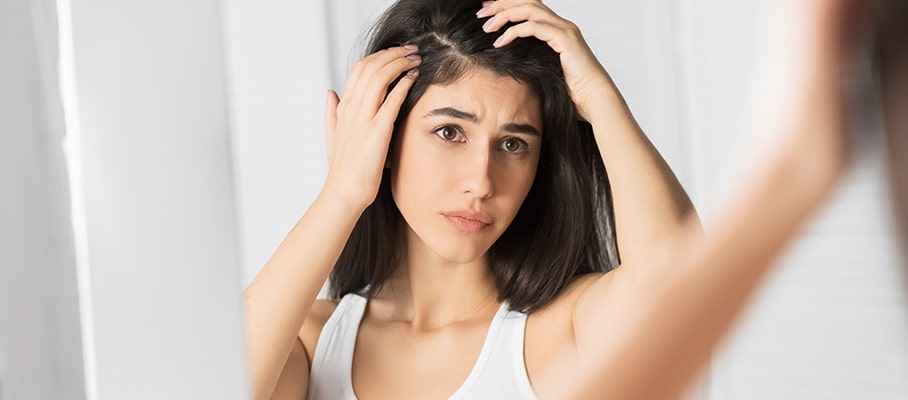
Confused about what is causing you an itchy scalp? Dandruff should not be taken lightly as it denotes a microinflammation, which might be easily overlooked as there are no readily observable symptoms. Apart from dry and itchy scalp, there are a few other causes of dandruff which are: Prolonged period of stress Parkinson’s or illness such as eczema Harsh or irregular brushing Lack of nutrients such as vitamin B12 Unadvised or irregular use of hair care products Pollution and heat You are more likely to have dandruff if your scalp feels oily or your hair looks greasy at most times. At times you may also experience intense itching even when the scalp does not feel dry. In extreme cases, it can show up severe itching and worsened flakes over time or as large areas of redness or swelling on the scalp. Many of you resort to using multiple antidandruff products to get rid of the problem temporarily, but do you know there are several effective and easy-to-implement home remedies that can help you save that money you spend on hair care products? Causes of Dandruff and Itchy Scalp Understanding the underlying causes of dandruff and an itchy scalp can help you choose the best home remedies for dandruff to tackle the issue. There are several factors that contribute to dandruff, from dry skin to fungal infections. Let’s check out these causes in more detail to help you find the right solution for your scalp. Dry Scalp A dry scalp is one of the most frequent causes of dandruff. When your scalp lacks moisture, it can cause the skin to flake, which often looks like dandruff. This issue is especially common during colder months or in environments with low humidity. Dry weather or low humidity can deplete your scalp’s moisture, leading to dryness and flaking. Harsh hair care products and shampoos can further dry out the scalp, causing irritation. Over-washing your hair can lead to a dry scalp, removing essential oils that keep your skin hydrated. Fungal Infections Fungal infections, particularly a yeast-like fungus called Malassezia, can lead to dandruff. This fungus naturally lives on the scalp but, when it grows out of control, it can lead to scalp irritation, itching, and flaking. Malassezia feeds on oils from your scalp, causing an overproduction of skin cells that leads to flakes. The overgrowth of Malassezia can cause itching, redness, and inflammation on the scalp. People with oily skin or hair are more likely to experience fungal infections that result in dandruff. Product Buildup Product buildup on your scalp can also lead to dandruff-like symptoms. When you use too many hair products, or don't rinse them out thoroughly, they can accumulate and cause irritation, leading to flakiness and an itchy scalp. Hair gels, sprays, and mousses can leave residue that blocks pores and irritates the scalp. Not washing your hair often enough can lead to buildup of oils, dirt, and styling products, which can contribute to dandruff. Not shampooing often enough can cause oil and product residue to accumulate, creating an ideal environment for dandruff Skin Conditions Certain skin conditions can also cause dandruff. Conditions like psoriasis and eczema can lead to dry, irritated skin that flakes off, mimicking the appearance of dandruff. Psoriasis causes thick, scaly patches that can appear on the scalp and look like dandruff. Eczema leads to dry, itchy patches of skin, which may affect your scalp and cause flakes to appear. Seborrheic dermatitis is another common condition that results in red, inflamed, flaky skin on the scalp, causing dandruff. Diet and Lifestyle Your diet and overall lifestyle can have a significant impact on your scalp health. Poor nutrition, high levels of stress, and dehydration can contribute to dandruff and scalp dryness. A poor diet lacking in essential nutrients, such as vitamins B and E, can lead to an unhealthy scalp. Stress can trigger dandruff flare-ups, as it can disrupt the balance of oils on your scalp. Dehydration can make your scalp dry and prone to flaking, especially in colder months. 10 Home Remedies for Dandruff and Itchy Scalp If you’re dealing with dandruff and an itchy scalp, you don’t have to rely on harsh chemicals. There are several home remedies for dandruff that can help soothe your scalp and keep flakes under control. These remedies are simple, natural, and effective. Let’s take a look at 10 natural remedies for dandruff that you can try at home. 1. Tea Tree Oil: Tea tree oil is known for its antifungal and antimicrobial properties, making it an excellent dandruff remedy. It helps fight the fungal infections that cause dandruff, while also soothing the scalp. • Add a few drops to your shampoo or dilute with a carrier oil and massage it into your scalp. • Leave it on for 10–15 minutes before rinsing. 2. Apple Cider Vinegar: Apple cider vinegar helps restore the pH balance of your scalp and reduces the growth of yeast, which can cause dandruff. • Mix equal parts apple cider vinegar and water and apply to your scalp. • Let it sit for 10–15 minutes before rinsing with cool water. 3. Coconut Oil: Coconut oil is an excellent moisturiser that can help alleviate dry scalp and reduce dandruff. It also has antifungal properties that can help treat dandruff caused by fungal infections. • Warm up some coconut oil and massage it into your scalp. • Leave it on for 30 minutes or overnight before washing out. 4. Aloe Vera: Aloe vera has soothing and anti-inflammatory properties, making it perfect for calming an itchy, irritated scalp. It can also help prevent dandruff flare-ups. • Apply fresh aloe vera gel directly to your scalp. • Leave it on for 15–20 minutes before rinsing. 5. Lemon Juice: The acidity in lemon juice helps restore the pH balance of your scalp and can reduce dandruff. • Apply fresh lemon juice to your scalp and massage gently. • Leave it on for 5–10 minutes before rinsing with cool water. 6. Baking Soda: Baking soda acts as an exfoliant and helps remove dead skin cells, reducing flakiness and itching on your scalp. • Wet your hair and rub a small amount of baking soda into your scalp. • Massage gently and rinse thoroughly with water. 7. Yoghurt and Honey: Yoghurt is soothing for the scalp, and honey helps moisturise and hydrate the skin, making this combination an excellent remedy for dandruff. • Mix two tablespoons of honey with a quarter cup of plain yogurt. • Apply to your scalp and leave it on for 15–20 minutes before washing it out. 8. Neem Oil: Neem oil has powerful antifungal properties that can help treat dandruff caused by fungal infections like Malassezia. • Massage neem oil into your scalp and leave it on for at least 30 minutes before washing out. • Repeat twice a week for the best results. 9. Fenugreek Seeds: Fenugreek seeds are rich in antioxidants and proteins that can help soothe an irritated scalp and prevent dandruff. • Soak a handful of fenugreek seeds overnight, then grind them into a paste. • Apply to your scalp and leave it on for 30 minutes before rinsing. 10. Olive Oil: Olive oil is an excellent natural moisturiser for dry scalp, helping to reduce flakiness and itching. • Warm up a small amount of olive oil and massage it into your scalp. • Leave it on for 30 minutes before washing it out. How to Cure Dandruff Permanently? While dandruff is often a recurring issue, it is possible to manage it effectively and reduce the likelihood of it returning. To cure dandruff permanently, consistency is key. A combination of proper treatments, healthy habits, and effective home remedies for dandruff can provide long-lasting relief. Identify the root cause: Whether it's a fungal infection, dry scalp, or a skin condition, understanding the cause will help you select the best treatment. Use the right products: Opt for a mild, antifungal shampoo that contains ingredients like ketoconazole, zinc pyrithione, or selenium sulfide to treat dandruff effectively. Hydrate and nourish your scalp: Use oils and moisturising treatments to keep your scalp hydrated and healthy, which can prevent dryness and flakiness. Manage stress: Since stress can trigger dandruff flare-ups, consider stress-reduction techniques like yoga, meditation, or deep breathing. Tips for Preventing Dandruff and Itchy Scalp To keep dandruff at bay and maintain a healthy scalp, it’s important to adopt a few simple preventive measures. These habits can help keep your scalp free from irritation, dryness, and flakes. Wash your hair regularly: Keep your scalp clean by washing your hair 2-3 times a week with a gentle, moisturising shampoo. Avoid scratching: Scratching your scalp can worsen irritation and contribute to hair fall. Try not to scratch, even when your scalp feels itchy. Use natural products: Choose shampoos and conditioners with natural ingredients to avoid irritating your scalp. Stay hydrated: Drink plenty of water to keep your skin and scalp moisturised. Reduce stress: Practice relaxation techniques to prevent stress-related dandruff flare-ups. By following these tips and trying some of the home remedies for dandruff and itchy scalp, you can prevent future outbreaks and maintain a healthy, flake-free scalp. Conclusion Dandruff and itchy scalp are common issues, but with the right natural treatments, you can find relief. From simple home remedies for dandruff like coconut oil and tea tree oil to lifestyle changes, these remedies can help soothe irritation and reduce flakes. Incorporating these steps into your routine will not only tackle dandruff but also improve overall scalp health. If you're looking for more personalised solutions and professional health insights, Metropolis Healthcare offers comprehensive diagnostic services, helping you monitor your health and prevent conditions like dandruff from worsening. Their reliable reports and expert advice ensure you’re on the right path to wellness. FAQs Can lemon remove dandruff? Lemon has natural acidic properties that can help balance the pH of your scalp and reduce dandruff effectively. Can dandruff cause hair fall? Dandruff itself doesn't directly cause hair fall, but scratching can damage hair follicles, and inflammation from conditions like seborrheic dermatitis may contribute to temporary hair shedding and loss. Which fruit is good for dandruff? Fruits rich in vitamins, such as oranges, lemons, and avocados, can nourish the scalp and reduce dandruff symptoms. Is dandruff bad for your hair? Dandruff can cause scalp irritation and itchiness, leading to hair breakage or thinning if not managed properly over time. Which oil is best for dandruff? Coconut oil, tea tree oil, and olive oil are excellent for treating dandruff due to their soothing and antifungal properties. Tea tree oil should always be diluted before use to avoid irritation.

5 effective ways to deal with hair fall in winter
With the onset of winter, it’s not surprising to see yourself losing a lot of hair in the shower than you normally do. Just as your skin health is cyclical based on the changing seasons, as is the hair loss you’re likely to suffer during winter. Excessive hair loss in winter is largely due to the dry air outside that sucks out all the moisture from your scalp, and makes it dry. A dry scalp leads to dry hair, which in turn results in hair damage, breakage, and hair loss. A dry scalp also leads to dandruff, which makes your head feel itchy and unhealthy. This, along with arid air, can cause a significant amount of hair fall in the winter. Even those with the healthiest of hair have their set of challenges this time of the year. If you’re wondering what you can do to make sure your hair doesn’t fall out or break in the colder months of the year, read on to discover what you can do to stop hair loss in winter! Follow these 5 tips for effectively reducing hair fall in the winter: 1. Oil massages There’s nothing like a good scalp massage for your hair in the winter. This helps increase blood circulation to your scalp, which helps strengthen the hair follicles from within. Warm up 2-3 teaspoons of olive oil or almond oil and massage it slowly on the scalp to help it penetrate deep down the hair roots. For deep conditioning, you can apply the oil on the length of your hair too. Besides being extremely soothing, oil massages are a great way to provide your hair and scalp with the right vitamins needed to fight the winter winds. Regularly massaging your hair with oil is essential to maintain its strength and shine, improve blood circulation and ensure good nourishment for your hair cuticles. Keep an eye on your vitamin B levels as vitamin B12 promotes healthy hair growth. To get rid of dandruff, take some oil and mix some amount of camphor and apply to your scalp. Camphor works as an antiseptic and helps in reducing the dryness of your scalp and preventing itchiness. 2. Look for the actual cause of hair fall From stress to nutritional deficiencies, simple daily habits of yours can add to your winter-related hair fall. Consult a hair specialist (trichologist) to help you keep your strands lustrous and healthy. Your doctor can recommend you certain health tests to understand your health numbers and blood parameters. A complete blood picture can help your doctor rule out systemic diseases that might be causing your hair and scalp’s condition. Book blood test now. 3. Eat healthy and stay hydrated Unhealthy diets coupled with lack of essential vitamins, minerals and other hair nutrients in your diet can result in hair loss. Vitamin A stirs up healthy production of sebum in the scalp, vitamin E stimulates blood circulation in the scalp to help hair follicles remain productive and vitamin B helps in maintaining the hair’s health. Poor diet coupled with nutritional deficiencies inhibits your body’s ability to create new hair follicles. Ensure you consume sufficient green meals and proteins as required in cold weather. Eating lean meats, curd, fish, soy or other proteins promotes hair growth and keeps a check on hair loss. Think you are not taking enough care of your health? Book a health check up now. Besides, water is the magic potion that we all need to stay hydrated from within in this dry winter weather. Drink plenty of water and keep your hair well hydrated. This will prevent split ends and brittle hair, nurturing shiny, radiant hair. 4. Use the right kind of hair products as per your hair type You use a plethora of hair products including hair oils, shampoos, conditioners, and hair masks. Choosing the right hair product that suits your hair needs is a critical part of preventing hair loss. For example, if you have dry hair, opt for products that offer deep conditioning. Moisturising with a conditioner is a key hair care routine step which is skipped way too often. It is in fact the most crucial step in winters. Conditioning works wonders on your hair’s outermost layer, the cuticle for it to look healthy and shiny. By conditioning after every wash, you ensure that the cuticle serves its purpose as the protective shield that it’s meant to be. While buying, look for a conditioner with cetyl alcohol as it is considered as a good moisturizing agent. In addition to this, a deep conditioning hair mask is a great way to keep your hair hydrated, and prevent it from drying out and becoming dull and lifeless. Natural home-made hair packs for winter hair care give you shiny hair and can be applied once or twice a week. To start with hair care at home, take a mashed banana and egg and mix well to form a paste. Add a few drops of lemon along with a Vitamin E capsule and blend well using a blender. Apply this paste from roots to tips of your hair and wait for 30 minutes before washing it off with a mild shampoo. You can even use a natural aloe vera gel and add a few drops of lemon juice along with one tablespoon of olive or coconut oil. Apply this mixture well from root to the hair tips. Wait for 30 minutes. Use a mild shampoo and cold (preferably) or lukewarm water to rinse your hair. 5. Avoid taking hot shower Avoid taking prolonged hot showers or head wash in hot water. Too much heat can damage your hair. Instead, opt for lukewarm water while taking a head bath. Also, try limiting the use of curling irons or blow dryers. The less you’ll deal with these heat styling tools, the better off your hair will be. If you style your hair too often, use a hair protection spray before experimenting. All set to control hair fall in winter? Make these tips a regular routine for your winter hair care and make great hair with great care! This winter, bid adieu to all your hair woes and leave all those bad hair days behind.