Home Visit
 Upload





vitamin a deficiency
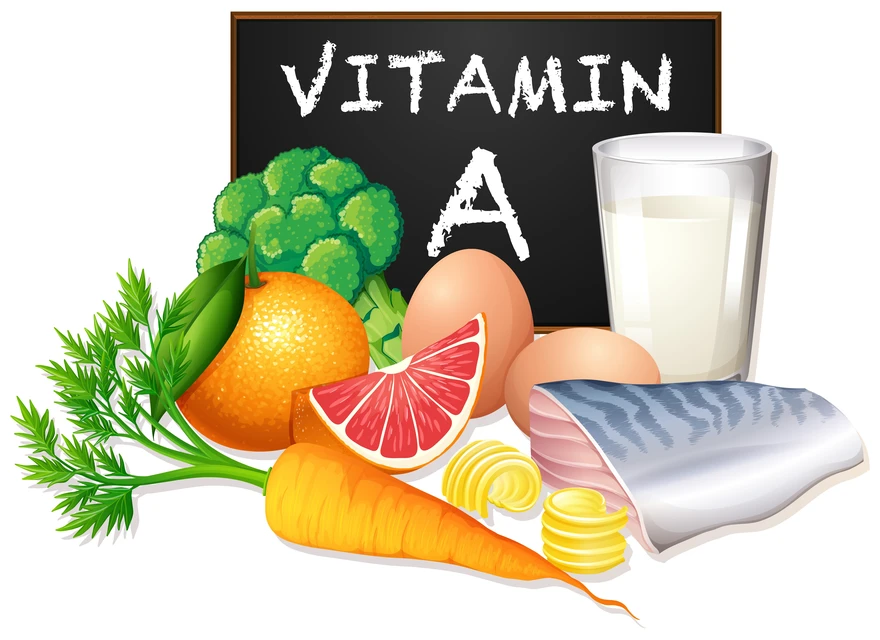
Understanding Vitamin A Deficiency: Causes, Symptoms, and Prevention
What is vitamin A deficiency? Vitamin A deficiency occurs when the body does not receive adequate amounts of vitamin A, leading to various health issues, particularly night blindness and other eye problems. This deficiency is prevalent in low- and middle-income countries where diets lack sufficient vitamin A-rich foods. Who does vitamin A deficiency affect? Vitamin A deficiency primarily affects vulnerable populations such as: Infants and young children Pregnant women Breastfeeding mothers These groups have higher nutritional demands and may have limited access to vitamin A-rich foods. In developing countries, vitamin A deficiency is a significant public health concern, causing preventable blindness and increased susceptibility to infections in children. What is vitamin A? Vitamin A is an essential nutrient crucial for maintaining: Healthy eyes and vision Proper immune function Skin health Growth and development Vitamin A plays a vital role in the formation of rhodopsin, a pigment in the retina that allows the eye to adjust to changes in light, enabling night vision. It also supports the development and maintenance of epithelial cells, which form the lining of many bodily structures, and aids in the body's defence against infections. Imagine a child struggling to see in dim light or a pregnant woman dealing with frequent infections. These are just a few examples of how vitamin A deficiency can impact health and quality of life. What are the different forms of vitamin A? Vitamin A exists in two main forms: Preformed vitamin A (retinol and retinal): found in animal products like liver, beef, oily fish, chicken, eggs, and fortified milk. Provitamin A (beta-carotene): Found in plant-based foods such as carrots, mangoes, sweet potatoes, and leafy green vegetables. The body converts beta-carotene into active vitamin A. What complications can occur due to vitamin A deficiency? Vitamin A deficiency can lead to severe complications, including: Night blindness Xerophthalmia (dry eyes) Corneal ulcers and scarring Permanent blindness Increased susceptibility to infections, particularly gastrointestinal and respiratory infections Stunted growth in children Anemia In severe cases, death Vitamin A deficiency is the leading cause of preventable childhood blindness globally. According to the World Health Organisation, an estimated 250,000 to 500,000 children become blind each year due to vitamin A deficiency, with half of them dying within 12 months of losing their sight. What are the symptoms of vitamin A deficiency? The most common vitamin A deficiency symptoms include: Night blindness (difficulty seeing in low light) Dry eyes (xerophthalmia) Bitot's spots (small white or yellowish patches on the conjunctiva) Corneal xerosis (dryness of the cornea) Impaired immune function Skin problems (dry, rough skin) Delayed growth and development in children If you or your child experience any of these symptoms, it's essential to consult a healthcare provider for proper diagnosis and treatment. What causes vitamin A deficiency? The primary vitamin A deficiency causes include: Inadequate dietary intake of vitamin A-rich foods is common in areas with limited access to nutritious food. Protein-energy malnutrition, which can impair vitamin A absorption and utilisation. Intestinal infections, such as worms, interfere with nutrient absorption. Liver disorders or other conditions that impair vitamin A absorption and storage. Pregnant and breastfeeding women, as well as young children, are particularly at risk due to their higher nutritional needs. Addressing these underlying causes through improved nutrition, fortification programs, and public health initiatives is crucial in preventing vitamin A deficiency. How is vitamin A deficiency diagnosed? Diagnosing vitamin A deficiency involves a combination of: Clinical examination: A doctor may perform an eye exam to check for signs of xerophthalmia and night blindness. Medical history: Assessing dietary intake, health conditions, and risk factors. Laboratory tests: Blood tests, specifically serum retinol tests, measure vitamin A levels. A level below 20 micrograms per decilitre indicates severe deficiency. Electroretinography: In some cases, this test may be used to assess retinal function. Early detection and prompt treatment are essential to prevent long-term complications. If you suspect you or your child may have vitamin A deficiency, don't hesitate to seek medical advice. How is vitamin A deficiency treated? Vitamin A deficiency treatment typically involves supplementation. For mild cases, increasing consumption of vitamin A-rich foods is recommended. Include foods like liver, beef, oily fish, eggs, fortified milk, carrots, mangoes, sweet potatoes, and leafy green vegetables in your diet. For severe cases, high-dose vitamin A supplements are prescribed, often following the World Health Organisation's guidelines for children and pregnant women. In regions with high prevalence, mass distribution of vitamin A capsules is a common practice to reduce child mortality and morbidity. Treatment duration and dosage depend on the severity of the deficiency and individual factors. Your healthcare provider will determine the most appropriate treatment plan based on your specific needs. How can we prevent vitamin A deficiency? Preventing vitamin A deficiency involves a multi-faceted approach: Eat a balanced diet rich in vitamin A and vitamin A sources, such as liver, beef, oily fish, eggs, fortified milk, carrots, mangoes, sweet potatoes, and leafy green vegetables. Implement vitamin A supplementation programs, particularly for children and pregnant women in areas with high prevalence. Promote food fortification programs, such as fortifying cooking oil, sugar, or flour with vitamin A. Address underlying causes, such as malnutrition and intestinal infections, through public health initiatives and improved access to healthcare. Raise awareness about the importance of vitamin A and educate communities on how to prevent deficiency. By adopting these preventive measures, we can significantly reduce the global burden of vitamin A deficiency and its devastating consequences. What can I expect if I have vitamin A deficiency? If you have vitamin A deficiency, prompt treatment can lead to improvements in symptoms. Early stages of deficiency, such as night blindness, often resolve within a few weeks of supplementation. However, severe cases with corneal ulcers may result in permanent vision loss despite treatment, emphasising the importance of early detection and intervention. Conclusion Vitamin A deficiency is a preventable yet prevalent health issue, particularly in developing countries. By understanding the causes, symptoms, and prevention strategies, we can take steps to maintain adequate vitamin A levels and protect our eye health. If you suspect you or a loved one may have vitamin A deficiency, don't hesitate to seek medical advice. Metropolis Healthcare offers reliable diagnostic services, including blood tests for vitamin A levels, with the convenience of at-home sample collection. Their team of qualified technicians and state-of-the-art laboratories ensure accurate results, empowering you to take control of your health. Remember, early detection and treatment are key in preventing the serious complications associated with vitamin A deficiency.

Vitamin A Daily Requirement: How Much Do You Need Per Day?
Vitamin A, a fat soluble nutrient, plays a crucial role in the body. It is a key ingredient for good vision, healthy immune system, important for reproduction and foetal development, supports cell growth, and much more. It also aids in healthy functioning of the heart, lungs, kidneys and many other organs of the body. With its antioxidant properties, it protects the cells against the effects of free radicals. Furthermore, it helps surface tissues like the skin, intestines, lungs, inner ear, bladder etc. With these many functions, we sure understand how essential this vitamin is. Book a simple test and know if you could be Vitamin A deficient. There are two kinds of vitamin A; one is preformed vitamin A, retinol and retinyl esters, often found in animal products, meat, dairy, fish etc, while the other one, i.e. provitamin A is found mostly in fruits and vegetables with the most common, beta carotene, found in dietary supplements. Vitamin A being a fat soluble nutrient, is stored in the body tissue for usage later, stored in the liver, in the form of retinyl esters. How much Vitamin A should you get daily? The right amount actually depends on the age and the sex of an individual. The vitamin A content of foods is expressed as retinol equivalents. The average daily recommended quantity, in micrograms (mcg) of retinol activity equivalents (RAE) for an adult male and adult female is nearly 600µg/d. Both deficiency of the vitamin as well as surplus can be a problem that could lead to side effects, and hence maintaining the daily intake within the subscribed limit, and not exceeding it, is crucial. The amount varies for pregnant and breastfeeding women, about 800 µg/d and 950 µg/d respectively can be suggested.* For infants up to 12 months, 350 µg/d RAE shall be sufficient. Anything taken in excess is harmful; similarly, too much intake of vitamin A can lead to nausea, vomiting, vertigo or even blurred vision, and in the long run, can also be the cause behind bone thinning, birth defects, frequent headaches, liver damage etc. What are some good sources of Vitamin A? Be it naturally from food, following a healthy diet, or from supplements, it is necessary to get enough vitamin A in the body. A few sources include: Preformed Vitamin A: Egg yolk, butter, cod liver oil, fish like salmon etc. Pro Vitamin A: Carrots, cabbage, spinach, kale, basically it can be found in leafy vegetables. In supplementary form, these are available as retinyl acetate or retinyl palmitate, beta carotene etc. While most of the daily intake can be satisfied with maintaining a healthy lifestyle and including Vitamin A rich food in the diet, sometimes doctors might also suggest supplements to make up for severe deficiency. FAQ's about Vitamin A What does Vitamin A deficiency lead to? Since Vitamin A is one of the most important nutrients for good eyesight, naturally deficiency could lead to difficulty for people to see in low lights, and gradually night blindness. Most cases of deficient Vitamin A, in one way or the other lead to defects in the eye, such as Keratomalacia, an eye disorder, where the cornea starts getting dry or Bitot spots, where keratin builds up in the eyes, causing unclear and hazy vision. A deficiency especially with young adults and pregnant women, called Xerophthalmia, is the inability to see in low light, and this also can lead to permanent damage, if not treated properly. Mostly in the case of an underdeveloped or developing nation, where people have scarce resources, and limited access to nutritious food, it might lead to health complications. It may increase the chances of infections like measles or diarrhea, and can affect the fetus growth in pregnant women. While the not so severe cases may include signs such as irritated skin, acne etc. How do you know if you have Vitamin A deficiency? You can go for an eye check up, or get a Vitamin A test done, to help the doctor find out the amount of Vitamin A present in your body. Find out if you have sufficient and healthy amounts of Vitamin A in your body; book your Vitamin A test now. What to do if you have a deficiency? If you find out, your body does not contain enough Vitamin A, start eating nutrient rich foods, fruits, leafy vegetables and animal products. Mild deficiency can easily be treated by following a well balanced and healthy diet. If the level is far below the desired amount, consult a doctor, they will recommend either a dietary plan or vitamin supplements to make up for the lack of it. Vitamin A, being a fat soluble nutrient, performs vital functions. If you start noticing any form of signs or symptoms, visit a doctor at the earliest, they will help diagnose any underlying condition, while one should equally be careful and conscious of their vitamin levels and always follow a healthy and a well balanced diet. Are there any risks associated with taking Vitamin A? Taking more than recommended, unless required, can pose irreversible risks, such as birth defects, liver problems etc. There could be adverse effects, apart from dry skin, vomiting, confusion, and headaches, if your supplements interact with medicines you take, such as birth control pills, blood thinner etc., the interactions can be unsafe. Why do people take Vitamin A? Apart from the many benefits it offers, oral Vitamin A is sometimes used as a treatment for measles and dry eye, and certain types of leukemia as well. While most of the intake can be fulfilled with following a healthy diet, topical and oral retinoids are used as treatments for acne and other skin conditions like wrinkles, ageing etc. Looking to book other lab tests for keeping a check on your health? Explore us.