Home Visit
 Upload





monsoon diet
Monsoon Diet: What to Eat and Avoid During the Rainy Season
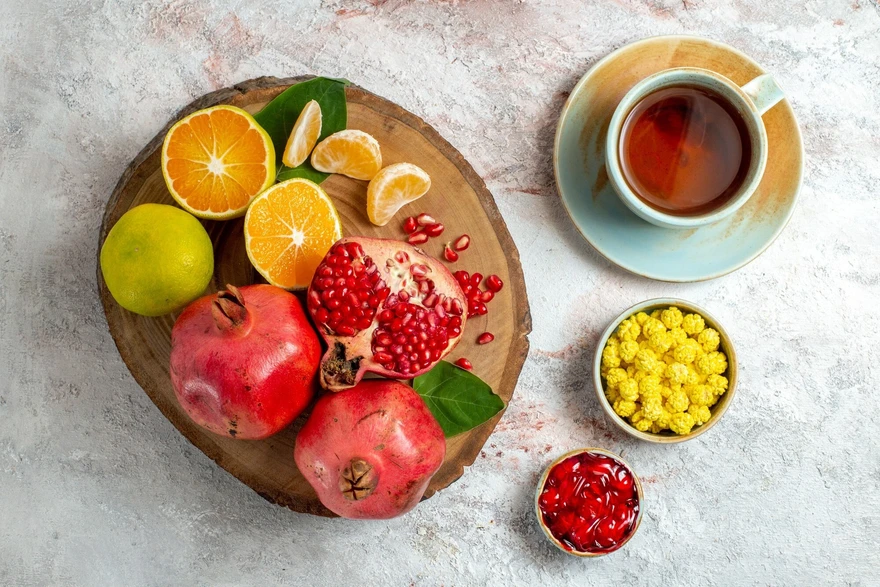
The monsoon brings welcome relief from the scorching heat, but the humid weather and increased risk of infections pose unique health challenges. Consuming the right monsoon season food becomes crucial to support digestion, immunity and overall well-being during the rainy months. Knowing which foods to include in your rainy season diet and which to avoid can help you stay protected against common monsoon maladies. Let's explore the ideal monsoon diet, packed with gut-friendly and immune-boosting rainy season fruits, vegetables, grains and herbs. Healthy Diet Tips for Rainy Season According to health experts, your monsoon season food choices should focus on boosting immunity and aiding digestion. Here are some tips to follow: Consume warm, freshly prepared, home-cooked meals to support digestion and prevent contamination. Prefer light, easily digestible foods like soups and steamed vegetables during the monsoon season. Include garlic, ginger, black pepper, and turmeric regularly in cooking for their immune-boosting and antimicrobial properties. Use spices like cinnamon, nutmeg, and cardamom to improve digestion and keeps infections at bay. Consume moderate amounts of dry fruits and nuts like almonds, walnuts, raisins, and cashews to provide healthy fats and essential nutrients. Drink herbal teas made with ginger, tulsi (holy basil), and honey to strengthen immunity and soothe the digestive system. Consume probiotic-rich foods such as curd and buttermilk to promote gut health to promote gut health and prevent digestive problems. Avoid consuming street foods and deep-fried snacks, as they are more prone to bacterial contamination during the rainy season. Always wash fruits and vegetables thoroughly with clean water to eliminate dirt and microbial deposits. Limit the intake of raw salads and uncooked foods, as they may carry harmful bacteria in the monsoon season. Prefer monsoon season food like steamed or grilled items over fried preparations to ease digestion. Incorporate rainy season food like warm soups and freshly cooked grains into daily meals for better nutrient absorption. Opt for rainy season fruits like pears, pomegranates, jamun, and cherries that are rich in vitamins and easy to digest. Stay hydrated with boiled, filtered, or warm water to prevent waterborne infections. Chew food properly and eat slowly to support digestive health and avoid bloating during the humid monsoon season. Eat at regular intervals with smaller, frequent meals to keep the metabolism active and prevent indigestion. With the right food choices, you can keep your body strong and enjoy the rainy season to the fullest. Don'ts of Monsoon Diet The monsoon season not only brings refreshing change in weather, but also an increases risk of waterborne diseases and digestive problems along. To stay healthy during this season, it is important to consider your monsoon diet plan and avoid certain foods and practices that can compromise your health. Here are some key "don'ts" to keep in mind for a safe and nutritious monsoon diet: Avoid Watery Foods During the monsoon season, it is recommended to avoid foods that contain water such as melons and cucumbers. These foods can increase the risk of waterborne diseases due to rainwater contamination. Additionally, foods containing water can cause bloating and indigestion, as the digestive system tends to be more sensitive during this time. Avoid Street Food Street food is a staple for many, but during the monsoon, it can be particularly hazardous. The humid conditions and exposure to rainwater make it easier for bacteria and other pathogens to contaminate these foods. To avoid gastrointestinal infections and food poisoning, it is best to avoid street food and go for home-cooked meals instead. Avoid Spicy Food Spicy foods can make digestive issues more worse, which is the most common condition during the monsoon season. The high humidity affects the body's digestive capacity, and consuming spicy foods can lead to acidity, indigestion, and discomfort. It is better to eat mild and easily digestible foods to keep your stomach settled. Avoid Eating Fried Foods While fried foods might be tempting during the cool, rainy weather, they can also be tough on the digestive system. The high fat content in fried foods slows down digestion and can lead to bloating and discomfort. It is beneficial to avoid these foods to maintain a healthy monsoon diet. Avoid Salt Excess salt can cause water retention and bloating, which is particularly uncomfortable during the humid monsoon season, and can also aggravate conditions like hypertension. Reducing salt intake as part of the monsoon diet helps maintain fluid balance and avoids unnecessary health complications during this time. Limit Seafood Monsoon is typically the breeding season for many types of fish and other seafood, which makes them more susceptible to contamination and infection. Consuming seafood during this season increases the risk of foodborne illnesses. It is safer to limit or avoid seafood and wait until the season passes. Avoid Raw Leafy Greens Raw leafy vegetables can contain dirt, bacteria and other pathogens that are difficult to wash away completely, especially during the rainy season. If consumed, these can lead to stomach infections and other health issues. Instead, cook leafy greens thoroughly to kill harmful microorganisms and make them safer to eat. Conclusion Enjoying a balanced monsoon season food plan focused on fresh, warm, easily digestible and immunity-enhancing ingredients is key to staying healthy during the rainy months. Including antioxidant-rich seasonal fruits and vegetables, probiotic foods, whole grains, pulses and immune-supportive spices in your rainy season diet while limiting processed, oily and unhygienic foods helps keep infections at bay. For personalised monsoon diet advice based on your unique health needs, consider consulting a qualified nutritionist or dietitian. You can also rely on Metropolis Healthcare's wide range of wellness tests to track key nutrient levels and detect any monsoon-related health issues early. FAQs What is the monsoon diet? The monsoon diet prioritises warm, freshly cooked, easily digestible foods while limiting cold, heavy, oily and processed items. It emphasises seasonal fruits, vegetables, whole grains, pulses and immunity-boosting spices to support gut health and immunity during the rainy season. Can I drink lassi in the monsoon season? Yes, lassi or buttermilk is a good probiotic drink for the rainy season. It promotes gut health and aids digestion. However, make sure you drink fresh homemade lassi and avoid versions that are too cold or heavy. Can I eat bananas in the monsoon? Bananas are nutritious but may be difficult to digest for some people during the monsoon, as they can increase mucus production. If you have a cold, cough, or respiratory congestion, it's better to avoid bananas. Opt for other monsoon season fruits like pears and cherries. Which drink is best for the monsoon? Warm drinks like herbal teas, soups, broths and stews are ideal in the monsoon. Ginger, turmeric, tulsi, cinnamon or lemon teas boost immunity and soothe digestion. Stay hydrated with warm water through the day. Which fruits to avoid in the monsoon? Limit consumption of fruits with high water content like melons, especially if not stored properly, as they can be prone to microbial contamination in humid weather. Wash all fruits thoroughly before eating.
Monsoon Diet: What You Should Eat And Avoid
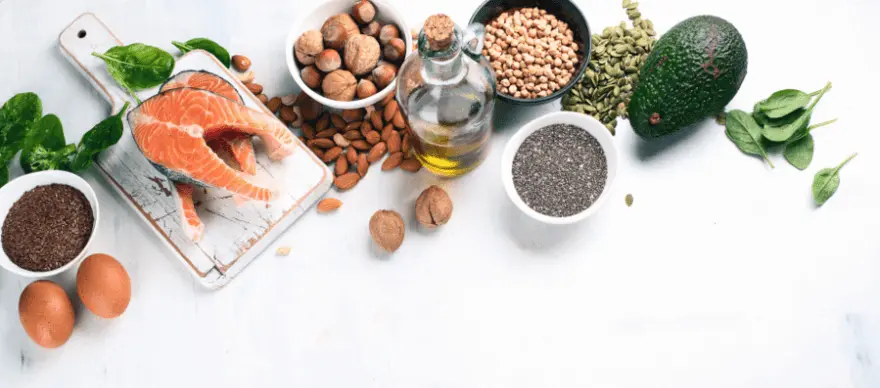
Monsoon diet tips The monsoon brings relief from the heat, invigorates the beauty of nature, and sprouts hunger for munching on hot, delicious, nonetheless fatty foods. It also changes the climatic temperature and humidity, impacting the immune system. Monsoons account for some of the highest cases of common water-borne diseases such as cholera, malaria, and typhoid. The combination of heat and humidity can also weaken the skin barrier, making it prone to damage and infections. Further, these may affect the immune system and your ability to enjoy monsoon to the fullest. Hence, it is vital to maintain health in order to make the best of this season. Healthy foods to eat in the rainy season The body is what the body eats. Therefore, the body must be full of nourishment and immunity-promoting foods to maintain health with an optimally functioning immune system. So, it is just as important to include healthy foods in your monsoon diet plan to eat during the rainy season. The summer's extreme heat is when the body experiences excessive heat that the monsoon relieves. Internal body heat makes the body's digestive system sluggish, consequently affecting immunity. Therefore, an essential monsoon diet tip is to avoid foods that aggravate body heat and indulge in light, calming foods. Here is a list of healthy foods to eat in the rainy season and foods to avoid. Eat: Light, protein-rich meals Human bodies thrive on balanced nutrition that comprises an optimal balance of all food types. Proteins are complex foods that are slow to digest. You might think this could burden the digestive system, which is already sluggish. However, proteins make it to this list of healthy foods to eat in the rainy season because the already slow digestion of proteins keeps you fuller, sustaining you longer, instantly combating your cravings for unhealthy foods commonly longed for during the monsoons. Most food cravings originate when food gets digested quickly, and you need a quick fix. These quick meal fixes are easy to find in unhealthy but quick to make and eat snacks. Therefore, it is important to have light, protein-rich meals as part of your monsoon diet plan, which will help you eat well and avoid unnecessary cravings. Avoid: Heavy Foods A staple of monsoons is the craving for deep-fried foods prepared at home or available at street-food stalls. Avoid temptation; deep-fried heavy foods can be spicy and acidic and aggravate a sensitive digestive system. They may also lead to water retention, acidity, and indigestion. Therefore, the ultimate monsoon diet tip is to forego heavy foods in favour of a diet containing healthy foods to eat in the rainy season. Eat: Immunity-boosting foods No monsoon diet plan is complete without including immunity-boosting foods. These include ingredients like turmeric, ginger, black pepper, or honey that are integrated into homemade healthy foods to eat in the rainy season. You can also consider external supplements like ashwagandha, Triphala, Giloy, or Brahmi to boost your immunity. Another helpful monsoon diet tip is to include spices in your monsoon diet plans. Ensure you consume micro-quantities of anti-inflammatory spices like turmeric, cinnamon, black pepper, ginger, saunf, or coriander. Avoid heat-generating spices like chilli powder, garlic, onion, and green chillies. Cold, cough, and the flu are common during the monsoon; hence, changes to monsoon diet plans must include adequate tulsi, mulethi, and other similar ayurvedic ingredients to help your body's immune system resist colds and coughs. Avoid: Raw, uncooked food The monsoon-induced digestive system sluggishness can also affect the ability to digest and process raw foods efficiently. Not just that, while green leafy vegetables are full of antioxidants and vitamins, they may not be examples of healthy foods to eat in the rainy season and also know about monsoon test For example, a good monsoon diet tip would be to avoid vegetables like cauliflower, lettuce, spinach, broccoli, spring onions, and cabbage in your monsoon diet plans. Avoid these mainly due to the fact that they are high in water content and a risky source of infections during monsoons. If it is necessary for you to consume them, do ensure that you cook them for at least 30 minutes to make sure that all possible contaminants do not survive. Other raw, uncooked foods to avoid during monsoons include any forms of seafood and meat, as they may not only be potential carriers of infection but also burden your digestive system due to their complexity. Eat: Gut health-promoting foods Having good gut health does wonders for your immunity. It boosts your immune system and fosters good bacteria growth, which prevents infection by inhibiting harmful bacteria from taking over. Therefore, a list of healthy foods to eat in the rainy season is incomplete without gut-friendly foods like cucumbers, beets, beans, and more. Good gut health is encouraged by foods that reduce inflammation - including bitter gourds, bottle gourds, and tomatoes. A monsoon diet plan rich in these vegetables can supplement you with essential vitamins like vitamin A, B6, B12, C, and K; and minerals like zinc, potassium, iron, and manganese. These diet inclusions ensure a healthy monsoon diet plan that is also a nutritional powerhouse for you. Many things influence the human body, the climate being one of them. Eating meals suited to the outside temperature and environment can help facilitate a healthy immune system and mental state. It helps fight off physical diseases and improves mental well-being by aligning the body's energies. That is why it is necessary to have a deliberate monsoon diet plan full of healthy foods to eat during the rainy season. Conclusion The ultimate monsoon diet tip, perhaps, is to consume healthy food that makes you feel good while enjoying the beauty of the monsoons. However, despite practising all the possible dietary measures, it is still possible to contract water-borne diseases during the monsoon, especially the common cold or flu. While many reflect localised cold and cough infections, some might prevail as prolonged fever bouts -- usually an indication to get checked for a possible infection. If you experience persistent fever, get a comprehensive fever panel by multiplex PCR from Metropolis today!