Home Visit
 Upload





human papillomavirus test
HPV (Human Papillomavirus): Causes, Treatment, Symptoms & Risks
Human papillomavirus, or HPV, is a group of viruses that commonly affect both men and women. While HPV infection is often harmless and clears on its own, certain types of HPV can cause health problems like genital warts and cancers. If you're wondering "What is HPV?" or have concerns about HPV symptoms, causes, testing, or treatment, read on. This article provides an overview of key facts about the HPV virus to help you stay informed and proactive about your health. What is HPV (Human Papillomavirus)? HPV (Human Papillomavirus) is one of the most common viral infections worldwide, affecting the majority of sexually active individuals at some point in their lives. Most infections are transient and clear naturally within two years, but persistent infections with high-risk types can lead to serious health conditions. HPV causes are primarily attributed to spreading through direct skin-to-skin contact, most commonly during sexual activities, including vaginal, anal, and oral sex. Non-sexual transmission can also occur through direct contact with infected skin, contaminated objects (fomites), or from mother to baby during childbirth. The HPV virus enters the body through micro-abrasions in the skin or mucous membranes. HPV infection can be asymptomatic, meaning many people are unaware they have it. Some strains cause HPV symptoms like benign warts, while others are linked to precancerous lesions and cancers, including cervical, anal, penile, vaginal, vulvar, and oropharyngeal cancers. Regular screening and vaccination significantly reduce the risk of severe outcomes. Types of HPV There are over 200 known types of human papillomavirus (HPV), each affecting different parts of the body. These types are broadly categorised into low-risk and high-risk groups based on their potential to cause serious health conditions, including cancer. Low-Risk HPV Low-risk HPV types, such as HPV6 and HPV11, are not associated with cancer but can still cause significant health issues. These strains are responsible for genital warts, which appear as small, flesh-coloured growths in the genital and anal regions. They can also cause laryngeal papillomatosis, a condition where warts develop in the respiratory tract, leading to voice changes and breathing difficulties. High-Risk HPV High-risk HPV types, including HPV16 and HPV18, are linked to various cancers, particularly cervical cancer. These strains can also contribute to cancers of the vulva, vagina, penis, anus, mouth, tonsils, and throat. Persistent infection with high-risk types can lead to precancerous lesions, which, if untreated, may progress to invasive cancer. Regular screening and HPV vaccination help prevent infections and lower the risk of complications. Causes of HPV (Human Papillomavirus) The human papillomavirus (HPV) itself is the direct cause of HPV infection, as it spreads through direct skin-to-skin contact. However, certain risk factors can increase the likelihood of contracting the virus and developing associated health complications. Early Onset of Sexual Activity: Engaging in sexual activity at a younger age increases exposure to HPV, as the body’s immune system may not be fully developed to fight off infections. Multiple Sexual Partners: The more partners a person has, the higher the risk of encountering an HPV-infected individual. Weakened Immune System: Conditions such as HIV, chronic illnesses, or immunosuppressive treatments can make it harder for the body to clear HPV. Skin Damage or Tears During Intercourse: Small abrasions in the skin or mucous membranes provide an entry point for the virus. Knowing these HPV causes helps individuals make informed choices, such as practicing safe sex and getting vaccinated, to reduce the risk of HPV infection. HPV, meaning a highly contagious virus, can often be prevented through awareness and preventive measures. How HPV Spreads HPV transmission primarily occurs through intimate skin-to-skin contact, with the virus spreading even when no visible HPV symptoms are present. It is most commonly passed on during vaginal, anal, or oral sex, but penetration is not required for infection. The virus enters the body through microscopic cuts or tears in the skin or mucous membranes, making it highly contagious. Modes of HPV Transmission Sexual Contact: HPV spreads through direct genital contact, including vaginal, anal, and oral sex. Even brief contact with infected skin can transmit the virus. Skin-to-Skin Contact: The virus can spread through close physical contact, even without sexual activity, though this is less common. Use of Contaminated Objects: Sharing personal items like razors or sexual toys may pose a small risk. Mother-to-Child Transmission: In rare cases, a mother with genital HPV can pass the virus to her baby during vaginal delivery, leading to a condition called recurrent respiratory papillomatosis (RRP), where warts develop in the infant’s airways. While condoms and dental dams reduce the risk of transmission, they do not provide full protection, as HPV infections reach areas not covered by these barriers. Vaccination and regular screenings are key preventive measures. Symptoms of HPV (Human Papillomavirus) Most HPV infections are asymptomatic, meaning people may carry the virus without realising it. However, when symptoms do appear, they vary depending on the strain of the virus. Below are common HPV symptoms: 1. Genital Warts Small, flesh-coloured, pink, or gray growths appear on the genitals, anus, or groin area. These may be raised, flat, or cauliflower-shaped and can cause discomfort or itching. 2. Common and Plantar Warts Rough, raised bumps appear on the hands, fingers, or feet, often in areas subject to friction. 3. Cervical Changes (HPV Symptoms Female) High-risk HPV strains can cause abnormal cervical cell changes, detectable through Pap smears. If untreated, these changes may progress to cervical cancer. 4. Throat and Oral Lesions HPV can cause warts or lesions in the mouth and throat, potentially leading to oropharyngeal cancer. Regular screenings and HPV vaccinations help prevent complications and detect infections early. HPV and Cancer: Understanding the Link It's important to note that having an HPV infection does not mean you will definitely develop cancer. Most infections are transient and resolve on their own within 1-2 years. However, persistent infection with high-risk HPV types is the main risk factor for HPV-related cancers. In fact, HPV is responsible for nearly all cases of cervical cancer and is also linked to cancers of the anus, oropharynx (throat), penis, vulva, and vagina. HPV 16 and 18 are the two most common high-risk types, accounting for about 70% of cervical cancers worldwide. These HPV viruses can cause changes in the cells of the cervix, which over time may develop into precancerous lesions and eventually cervical cancer if left untreated. Risk Factors Associated with HPV Infection Several factors can increase your risk of acquiring an HPV infection: Sexual activity: HPV is primarily spread through skin-to-skin contact during sexual activity, including vaginal, anal, and oral sex. Multiple sexual partners: Having many sexual partners increases your exposure to HPV. Early sexual activity: Becoming sexually active at a young age may increase your risk of HPV. Weakened immune system: People with compromised immune systems, such as those with HIV/AIDS or taking immunosuppressive drugs, are more susceptible to HPV infections. Smoking: Cigarette smoking is associated with an increased risk of HPV symptoms in females and cervical cancer. Long-term oral contraceptive use: Using birth control pills for 5 years or more may slightly increase the risk of cervical cancer. Having multiple childbirths: Women who have had 3 or more full-term pregnancies have an increased risk of cervical cancer. Diagnosis of HPV: Tests and Screening Methods Most people with HPV infection do not experience any noticeable symptoms, which is why regular screening is crucial for early detection and prevention of HPV-related cancers. The following tests are used to diagnose HPV or HPV-related conditions: Pap test (Pap smear): This screening test looks for precancerous changes in the cells of the cervix. It is recommended for women aged 21-65 every 3 years, or every 5 years if combined with an HPV test. HPV test: This test specifically looks for the presence of high-risk HPV types in cervical cells. It is often done along with a Pap test for women aged 30-65. Visual inspection with acetic acid (VIA): In low-resource settings, VIA may be used as an alternative to Pap tests. The cervix is swabbed with vinegar, which causes precancerous lesions to turn white. Colposcopy and biopsy: If abnormalities are found on a Pap test or HPV test, a colposcopy may be performed to closely examine the cervix. A biopsy (tissue sample) may be taken for further testing. Also Read: HPV DNA Test: Overview, Uses, Procedure, Risk and Result HPV Treatment Options There is no specific HPV treatment itself. However, there are several options for treating HPV-related conditions and preventing the development of cancer: Monitoring: If a Pap test shows mild abnormalities (ASCUS or LSIL), your doctor may recommend repeating the test in 6-12 months to see if the changes resolve on their own. Removal of precancerous lesions: If more severe abnormalities (HSIL) are found, procedures such as LEEP (loop electrosurgical excision procedure), cryotherapy, or conization may be used to remove the abnormal cells. Genital wart treatment: HPV symptoms like genital warts can be treated with topical medications (like imiquimod or podofilox), cryotherapy, or surgical removal. Cancer treatment: If HPV-related cancer develops, treatment options may include surgery, radiation therapy, chemotherapy, or a combination of these methods, depending on the stage and location of the cancer. It's important to remember that treating HPV-related conditions does not eliminate the HPV virus from your body. You may still be able to transmit HPV to sexual partners, which is why practicing safe sex and getting vaccinated are crucial for prevention. Preventing HPV: Vaccination and Safe Practices The best way to prevent HPV infection and related cancers is through vaccination. The HPV vaccine protects against high-risk types like HPV16 and HPV18, which cause most HPV-related cancers. It is most effective when given before exposure to the virus but can still offer some protection for those already sexually active. The HPV vaccine is recommended for children aged 11-12, though it can be given as early as age 9. Women up to 26 and men up to 21 should get vaccinated if they missed it earlier. For adults aged 27-45, vaccination may still be beneficial after consulting a doctor. Practicing safe sex can also lower the risk. Using condoms and dental dams, limiting sexual partners, and avoiding contact with those showing HPV symptoms can help prevent infection. Regular Pap tests and HPV screenings are crucial for early detection of cervical cancer, even for vaccinated women. HPV in Men vs. Women: Differences in Risks and Symptoms While HPV can affect both genders, the risks and symptoms may vary between men and women. Here's a table highlighting the key differences: Feature Men Women Common Cancers Caused by HPV Penile cancer, anal cancer, oropharyngeal (throat) cancer Cervical, vulvar, vaginal, and anal cancer Symptoms of Cancer Changes in skin colour/thickness of the penis; anal bleeding, pain Abnormal vaginal bleeding, pelvic pain; changes in vulvar skin colour/thickness Genital Warts Yes, caused by low-risk HPV types Yes, same as men Screening and Testing No routine screening tests for HPV; diagnosis often based on clinical presentation Pap smear and HPV test recommended Risk Factors Lower risk of cancer compared to women; higher risk if immunocompromised or smoking Higher risk of cervical cancer Debunking Myths About HPV Despite the widespread prevalence of HPV, many misconceptions still surround this common viral infection. One common myth is that only women are affected by HPV. In reality, both men and women can contract HPV, though the health risks may differ. While women face a higher risk of cervical cancer, men can also develop HPV-related cancers, including those of the penis, anus, and throat. Another misconception is that HPV always leads to cancer. The truth is that most people with HPV clear the virus naturally without any serious health consequences. However, persistent infections with high-risk strains can lead to precancerous lesions and cancer over time. Some aso believe that HPV vaccination is only for women, but the vaccine is recommended for both males and females to prevent HPV-related cancers and genital warts. Living with HPV: Coping Strategies and Support If you've been diagnosed with HPV, remember that most infections clear naturally within two years. However, staying proactive about your health is essential. Regular screenings, such as Pap smears and HPV tests, help detect any abnormal changes early. Vaccination can still provide protection against high-risk strains and related cancers. Practicing safe sex, including using protection, reduces but does not eliminate the risk of transmission. Emotional support is also important—healthcare providers, partners, and support groups can offer guidance and reassurance. You're not alone, and with the right care, HPV can be managed effectively. Conclusion: The Importance of Awareness and Prevention Awareness and prevention are key to managing HPV effectively. Regular screenings, vaccinations, and safe sex practices can significantly reduce the risks associated with HPV. Early detection through screenings is vital for treating pre-cancerous lesions before they become serious health issues. If you have concerns about HPV or are experiencing symptoms, don't hesitate to reach out to a healthcare provider. Metropolis Healthcare, a leading chain of diagnostic labs across India, offers accurate pathology testing and health check-up services. Our team of qualified blood collection technicians can make at-home visits for blood samples, which are processed at Metropolis' advanced diagnostic labs. Prioritise your health with Metropolis!
HPV Test: Uses, Procedure, Risk and Result Results Interpretation
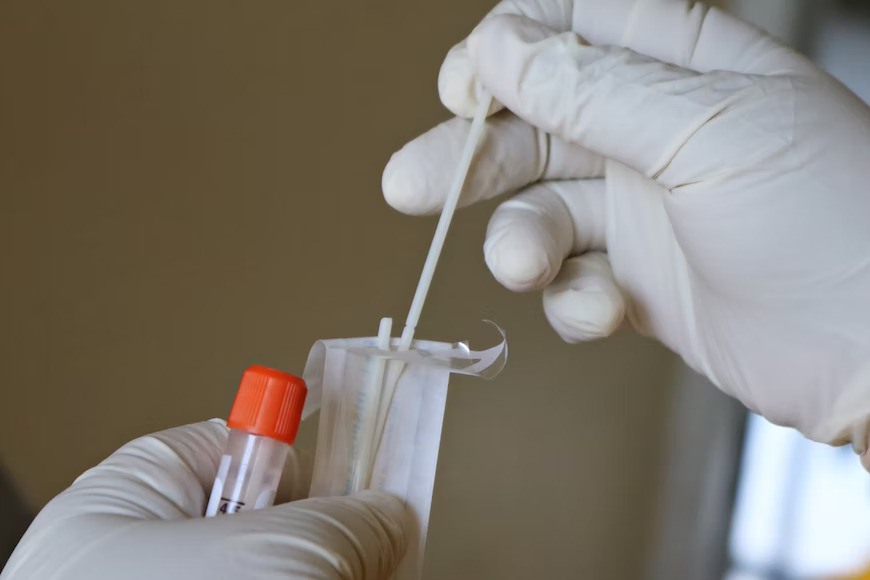
What is the Human Papillomavirus (HPV) Test? The HPV DNA test is a laboratory test where the cells of possible infected sites are checked for the DNA of the Human Papillomavirus (HPV). This common infection spreads through sex. The potential sites of infection include the vagina, vulva, cervix, penis, anus, and oral regions where mucous cells are present. This virus has many strains, some of which are cancer-causing forms. The HPV DNA test checks for the presence of specific strains, such as 16 and 18, which can cause cancer. The HPV DNA test is unique as it tells us the genetic strain of the HPV virus. This test is often done along with a Pap test. A Pap test is done to detect the presence of any abnormal cells in infected areas. While the Pap test detects HPV, it does not tell us the strain of the virus. The HPV DNA test specifically checks for the DNA and RNA of the sample cells for the presence of a high-risk HPV strain. What Does The HPV DNA Test Detect? The HPV DNA test is done to detect the Human Papillomavirus - a sexually transmitted infection. Over 150 strains of the virus can cause a range of symptoms from low risk to high risk. These viruses are called Papillomaviruses as they cause Papilloma (warts). However, some types of HPV may lead to cancer of the cervix, vagina, vulva, penis, anus, and parts of the mouth or throat. The HPV virus is attracted to and lives only in mucous cells, which are present in commonly infected areas. Generally, they cause genital warts, affect mucous cells, and may even lead to certain forms of cancer. It is majorly transmitted through skin-to-skin or genital contact. Often, it affects the population in their early 20's. However, if you are sexually active, you may be at risk of contracting HPV at any stage of life. Who Should Take The HPV DNA Test? There are HPV DNA tests for males and females, which are recommended for people between the ages of 25 and 65. Additionally, your healthcare provider might ask for the HPV DNA test: If there is an abnormal Pap smear result in males and females. Along with a Pap smear to screen populations 30 and older for cervical cancer In place of a Pap smear to screen individuals age 30 and older for cervical cancer. How is The HPV DNA Test Done? The HPV DNA test is often done during a Pap smear. If done together, it is known as co-testing. The general aim of the test is to obtain cells from possible infected areas. The samples obtained from these areas are sent to the laboratory for analysis. The laboratory uses specific tests and assays used to detect HPV DNA. HPV DNA is detected using an FDA-approved Digene assay. Any positive cases undergo genotyping to detect the strain of HPV and to assess the risk of developing cancer. For females, a Pap smear test is done to obtain the sample for the HPV DNA test. The doctor uses a speculum at the vagina to visualise the cervix. Cells are gently collected from the cervix area and are examined under the microscope. The HPV DNA test is done on the same sample obtained to detect and analyse the type of strain. HPV DNA test for males involves a visual inspection for lesions on the penile, anal, and oral areas, such as the back of the throat. An anal pap test is done to obtain the sample required for HPV DNA analysis. How to Prepare for The HPV DNA Test? There is no special preparation required for an HPV DNA test. However, if it is done in conjunction with a pap smear, these recommendations may be followed 24 hours before the test is done. Vaginal Douching should not be done before the test It is recommended to abstain from intercourse Females are suggested not to use tampons 24 hours before the test Risks of Taking The HPV DNA Test Similar to other screening tests, the HPV DNA test also carries certain risks associated with the result of the tests. These include: A False Positive Test A false positive test indicates that a high-risk type of virus is present when actually it is not there. This could induce anxiety in the patient and lead to unnecessary follow-ups for biopsies and doctor appointments. A False Negative Test A false negative test shows that you do not have an HPV infection when you may have one. This may cause a delay in follow-up procedures and the required tests that confirm the diagnosis. The Results of The HPV DNA Test The results of the HPV DNA test can be positive or negative and are usually obtained within 1-3 weeks. A Positive HPV DNA Test A positive HPV DNA test means that high-risk HPV strains are present or detected in the sample provided. When a positive result is obtained, the doctor may ask for a biopsy or a colposcopy to obtain cell or tissue samples from the cervix for further analysis. A Negative HPV DNA Test A negative HPV DNA test means the sample does not contain high-risk HPV strains. The patient may be asked to return in 3-5 years for a new test. Conclusion Post the HPV DNA test, the further course of treatment involves medication and prevention. Medication is given to reduce the symptoms such as genital warts and viral load. Preventing and lowering the risk of transmission of HPV can be done by abstaining from multiple sex partners and using condoms. Need the HPV DNA test done but unsure where to check for it? Book the HPV DNA test online at Metropolis Healthcare for convenient and safe testing!