Home Visit
 Upload





HbA1c test importance

Could you be at risk of diabetes? Keep an eye on diabetes risk factors
Diabetes is a sneaky disease. While this health condition needs no introduction in the present times, about 1 in 2 people who have diabetes are unaware of their condition! Diabetes has emerged as a global public health threat. It is estimated that three-quarters of the world’s 300 million adults with diabetes will be in non-industrialized countries by the year 2025, and almost a third in India and China alone. In addition, as per several researchers, Indians are prone to develop diabetes, owing to certain risk factors. How aware are you of the factors that push you closer to diabetes? Let us apprise you of the most important and common factors that increase your chance of getting diabetes. (Also, please note that diabetes in the context of this article refers to type 2 diabetes. Diabetes doesn’t always give a warning: Timely tests are important Most people who get diabetes first develop prediabetes also called borderline diabetes. This is a condition when your blood sugar levels are higher than normal but not high enough to be called diabetes. As per a study, the estimated prevalence of prediabetes in India is 14%. Contrary to the popular belief that diabetes can be easily diagnosed with the symptoms, prediabetes can be asymptomatic unless it is turned into a full-blown diabetes case. The symptoms of diabetes might develop gradually, and can be missed very often. That is why getting yourself tested for high blood sugar levels is extremely important. While a fasting blood sugar level below 100 mg/dL is considered normal, a level from 100 to 125 mg/dL is considered prediabetes. You can also get an HbA1c test done. That shows the average blood sugar levels for the last 2-3 months. An HbA1c level between 4-5.6% is considered healthy and 5.7- 6.4% denotes prediabetes, level 6.5% or higher indicates diabetes. Remember, prediabetes is completely reversible without medicines if you get diagnosed on time and adopt lifestyle changes. Major risk factors of diabetes include: Family history: Your risk increases if your parent or sibling has diabetes. Your lifetime risk for getting (type 2) diabetes goes up to about 70% if both parents have it. If one parent is affected, there is around a 40% chance for individuals to develop diabetes. Excessive body fat: Your body cells take up glucose or sugar and utilize it for various functions. The uptake of sugar by the body cells is regulated by a hormone called insulin. But, if you have more free fatty acids in your cells, they get resistant to insulin and the sugar uptake is reduced. This results in excessive sugar in your blood. Insulin resistance is the main cause of diabetes that affects about 9% of people globally. Lack of physical activity: The less active you are, the greater your risk to get diabetes. Physical activity helps you control your weight, increases glucose uptake by the body cells for energy, and makes cells more sensitive to insulin. Age: Even in the absence of other risk factors, the risk of developing diabetes increases with the advancing age. A matter of grave concern is more younger adults are facing the brunt of this chronic disease due to unhealthy lifestyle practices. Cases have seen a rise in children as well owing to an increase in childhood obesity. Gestational diabetes: This is a condition in which otherwise healthy women are affected with high blood sugar levels during pregnancy. For women who develop gestational diabetes, the risk of developing prediabetes and (type 2) diabetes increases. Polycystic ovary syndrome (PCOS): This must have a ring a bell. Actually, PCOS has emerged as a major health problem for women in recent times. This is a condition that affects a woman’s hormone levels and causes a range of problems including weight gain, unwanted body hair, acne, infertility, irregular periods, etc. Since PCOS causes deranged hormone levels, it is important to check hormonal parameters including testosterone, sex hormone-binding globulin (SHBG), and anti-mullerian hormone (AMH). Your doctor will correlate the results with the symptoms to arrive at a diagnosis. The underlying cause why PCOS can put you at risk of diabetes is assumed to be insulin resistance of body cells. If glucose is not being used by the body cells, it results in high blood sugar levels. High blood pressure. Diabetes and high blood pressure are closely related. Having high blood pressure over 140/90 mmHg is linked to an increased risk of diabetes. Unhealthy cholesterol levels: Having low levels of good cholesterol (high-density lipoprotein) or high levels of bad cholesterol (low-density lipoprotein) results in high free fatty acids in body cells. This increases the risk of developing diabetes. Triglycerides are another type of fat carried in the blood. People with high levels of triglycerides have an increased chance of diabetes. A lipid profile test lets you know what your cholesterol and triglyceride levels are. Keep in mind: While certain risk factors like age and family history are beyond your control, lifestyle factors such as obesity and exercise can be managed with a bit of health awareness and some sincere efforts. Take charge of your health with regular health tests and stay one step ahead of chronic conditions like diabetes.
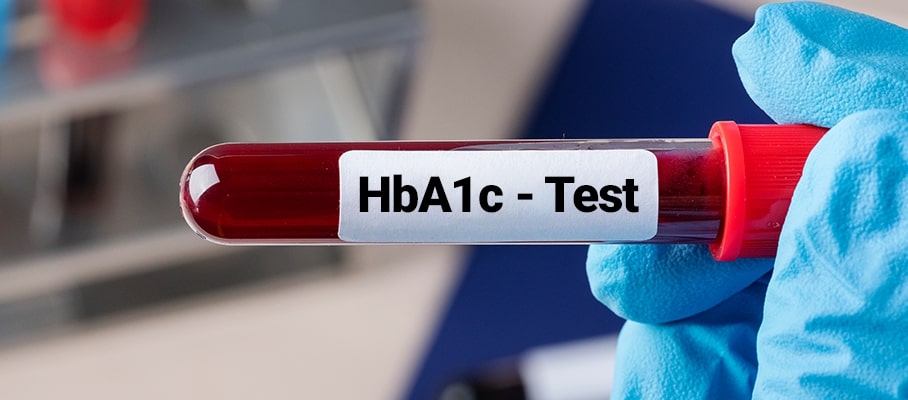
HbA1c Test for Diabetes: Importance, Range, Target and Results
What HbA1c (haemoglobin A1c) test is Used For? The HbA1c test, also known as the glycated haemoglobin test, is a crucial blood test that measures the average level of glucose attached to haemoglobin in red blood cells over the past two to three months. Haemoglobin is a protein in red blood cells responsible for carrying oxygen throughout the body. The HbA1c test meaning lies in its ability to provide a comprehensive picture of your blood sugar control over an extended period, unlike a finger-prick test that offers a momentary reading of blood glucose levels. This test is particularly important for managing diabetes, as it helps healthcare providers assess the effectiveness of diabetes treatment plans. By measuring the percentage of haemoglobin coated with sugar, the HbA1c test offers valuable insights into how well your body has been managing glucose levels in the recent past. A higher percentage indicates that your blood sugar levels have been consistently elevated, which may signal the need for adjustments in your diabetes management strategy. What is it used for? The primary use of the HbA1c test is to diagnose diabetes and prediabetes, as well as to monitor the effectiveness of diabetes treatment plans. Healthcare providers rely on this test to assess long-term blood glucose control in individuals with diabetes, ensuring that their management strategies are on track. Additionally, the HbA1c test can be used for people at risk of developing diabetes to monitor their status and take preventive measures if needed. By understanding the HbA1c test meaning and its role in diabetes care, individuals can work closely with their healthcare team to maintain optimal blood sugar levels and reduce the risk of diabetes-related complications. Why is the HbA1c test done, and what is its significance? The HbA1c test holds immense significance in assessing the effectiveness of diabetes management and diagnosing conditions like diabetes and prediabetes. Its ability to provide a comprehensive overview of blood sugar levels over time makes it a vital tool for adjusting treatment plans and preventing potential complications. Here are some key reasons why the HbA1c test is done and its significance: Long-term glucose control assessment: The test helps healthcare providers evaluate how well an individual's diabetes management plan is working over a period of two to three months. Early identification of complications: By detecting consistently high blood sugar levels, the HbA1c test allows for early identification and intervention to prevent or delay the onset of diabetes-related complications such as nerve damage, kidney disease, and cardiovascular issues. Treatment plan adjustments: The results of the HbA1c test guide healthcare providers in making necessary adjustments to medication, diet, and lifestyle recommendations to improve glycaemic control. Pregnancy monitoring: The HbA1c test is crucial during pregnancy, as uncontrolled blood sugar levels can pose risks to both the mother and the developing foetus. Diagnosis of prediabetes and diabetes: The HbA1c test is one of the primary tools used to diagnose prediabetes and diabetes based on established cut-off points. By understanding the HbA1c test meaning and its significance, individuals can take a proactive approach to their diabetes management, working closely with their healthcare team to maintain optimal blood sugar control and prevent long-term complications. Frequency of getting tested In general, people having diabetes and pre-diabetes should get their HbA1c tested every 3 months. If you are healthy but have a family history of diabetes or think your lifestyle makes you prone to develop diabetes, you should get an HbA1c test done every 6 months. You can consult a doctor on how frequently you should take a test for your health condition. HbA1c Results The results of the A1c test are presented as a percentage. The test result shows the amount of hemoglobin that glucose has bound to in your blood. For diagnostic purposes, the test results may be as follows: Normal/ Healthy: Below 5.7% Pre-diabetes: 5.7–6.4% Diabetes: 6.5% or more There are certain factors and some medical conditions that can change the HbA1c result slightly and even lead to a higher reading. Some conditions that can cause a false A1c number include: Liver disease Kidney disease Recent blood loss or transfusion Low iron levels Certain blood-related conditions Your doctor is the best guide to analyse the results. HbA1c Target levels A healthy person who does not have diabetes should target for an HbA1c score below 5.7 percent. If a person has an HbA1c score of 6.5 percent or higher, it’s likely that he /she has diabetes. During treatment for diabetes, different people will have different targets, based on factors such as their age and medicines they are taking. In general, diabetics might be asked to keep their HbA1c result below 7 percent. Older adults having diabetes and diabetics who might also be at risk of low sugar levels (hypoglycemia), can be recommended an HbA1c number of around 8%. Test preparation for HbA1c Unlike fasting or post meal blood sugar tests, no special preparation is needed for an HbA1c test. You do not need to fast. You can give a test sample at any time of the day. Also, do not miss your medicines on the day of getting tested. COVID-19 and HbA1c The entire pandemic situation has made managing diabetes well more important than ever for people having diabetes. HbA1c gives you a sneak peek into how well your blood glucose has been doing over the past 2-3 months. Look for trusted labs and safe services when you have to take an HbA1c test. Have to get tested and not sure where to get it done? Book an HbA1c test online and get tested within the comfort of your home. Is there anything else I need to know about an HbA1c test? It's important to note that certain medical conditions can impact the accuracy of HbA1c test results. Individuals with conditions that affect red blood cells, such as haemolytic anaemia or sickle cell disease, should discuss alternative testing methods with their healthcare provider. Additionally, factors like stress, illness, or recent changes in diet or medication may influence the test results, so it's crucial to consider these when interpreting the HbA1C test meaning. FAQs What are 5 signs your blood sugar is too high? Increased thirst and frequent urination Blurred vision Fatigue and weakness Slow-healing wounds or frequent infections Tingling or numbness in hands and feet Can I lower my HbA1c quickly? Lowering HbA1c levels quickly is challenging but possible through strict adherence to a diabetes management plan and adjusting medication as directed by your healthcare provider. How is HbA1c different from a regular blood sugar test? The HbA1C test provides an average of your blood sugar levels over the past two to three months, while a regular blood sugar test offers a snapshot of your glucose levels at a specific moment. What's the ideal HbA1c target for people with diabetes? The ideal HbA1C level for people with diabetes is generally below 48 mmol/mol (6.5%). However, target levels may vary depending on individual factors such as age, duration of diabetes, and presence of other health conditions. Is the HbA1c test safe during pregnancy? Yes, the HbA1C test is safe during pregnancy and plays a crucial role in monitoring blood sugar levels to ensure the health of both the mother and the developing foetus. Pregnant women with diabetes may require more frequent HbA1C testing to maintain optimal glucose control. Is a high HbA1c level reversible? Yes, high HbA1C levels can be reduced through effective diabetes management strategies, including medication, diet, exercise, and regular blood sugar monitoring. Do supplements or natural remedies affect HbA1c? Some supplements and natural remedies may impact blood sugar levels and, consequently, HbA1c results. However, it's essential to consult your healthcare provider before incorporating any supplements or natural remedies into your diabetes management plan to ensure safety and effectiveness.