Home Visit
 Upload





HbA1c test
HbA1C Test – Everything You Need to Know
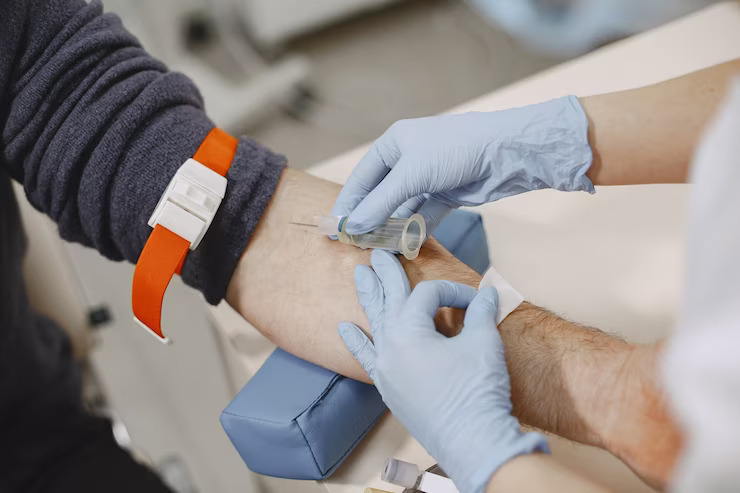
What is the HbA1C Test? The HbA1C test is a blood test that measures glycated haemoglobin (HbA1c) — a form of haemoglobin with glucose molecules attached. Unlike daily blood sugar tests that provide snapshots, this glucose control indicator reflects your average blood glucose levels over approximately 8–12 weeks (about 2–3 months). The HbA1C test's purpose is to provide healthcare providers with a comprehensive picture of your long-term blood sugar management. When glucose circulates in your bloodstream, it naturally attaches to haemoglobin proteins in your red blood cells. Since red blood cells live for about 120 days, the HbA1C test measures the percentage of haemoglobin that has become glycated during this time. This makes it an invaluable glucose control indicator for both diagnosing diabetes and monitoring existing conditions. Why is the HbA1C Test Done? The HbA1C test serves as your primary glucose control indicator because It is minimally influenced by recent meals, short-term stress, or temporary illness—factors that often affect standard blood sugar tests. Healthcare providers rely on this glucose control indicator for multiple clinical reasons: Diabetes diagnosis: Identifying type 2 diabetes in adults showing symptoms or risk factors. Prediabetes screening: Detecting elevated blood sugar before it progresses to diabetes. Diabetes monitoring: Assessing how well current treatment plans control blood glucose. Treatment evaluation: Determining whether medication adjustments or lifestyle changes are needed. Risk assessment: Evaluating long-term complications risk in people with diabetes. Pregnancy and preconception planning: Ensuring optimal glucose control before and during pregnancy to reduce complications. How the HbA1C Test Works (Understanding Glycated Haemoglobin) Haemoglobin, the oxygen-carrying protein in red blood cells, becomes permanently modified when glucose attaches to it through a process called glycation. This occurs continuously throughout a red blood cell's lifespan. Higher average blood glucose levels mean more glucose binds to haemoglobin over time, resulting in higher HbA1C percentages. Since red blood cells circulate for approximately 2-3 months before being replaced, the HbA1C test effectively measures your average glucose exposure during this period. This biological process makes the HbA1C test an exceptionally reliable glucose control indicator that reflects genuine long-term blood sugar patterns rather than temporary fluctuations. Normal HbA1C Levels: What Your Results Mean Understanding your HbA1C test reference range helps you interpret results accurately. HbA1C Level Category Interpretation Below 5.7% Normal Healthy blood glucose control 5.7% - 6.4% Prediabetes Elevated risk requiring monitoring 6.5% or higher Diabetes Diagnostic threshold for diabetes 6.0–7.0% (for diabetic patients) Generally considered well-controlled diabetes for most adults Excellent management for most adults >8.0% (for diabetic patients) Indicates poor control; requires treatment reassessment Immediate treatment adjustment required High HbA1C Levels: What They Indicate When your HbA1C test result exceeds the normal range, it indicates persistently elevated blood glucose over recent months. High levels suggest either undiagnosed diabetes or poorly controlled existing diabetes. For instance, an HbA1C of 8.5% corresponds to an estimated average glucose (eAG) of about 197 mg/dL—significantly above healthy levels. High HbA1C levels increase your risk of diabetes complications, including heart disease, kidney damage, nerve problems, and vision issues. Low HbA1C Levels: What They Indicate Low HbA1C test results typically indicate excellent glucose control, which is positive news for most people. However, extremely low levels in people taking diabetes medications might suggest overly aggressive treatment leading to frequent hypoglycaemic episodes. For individuals without diabetes, consistently low HbA1C levels generally reflect healthy metabolism and low diabetes risk. Your healthcare provider will consider your individual circumstances when interpreting whether your glucose control indicator represents optimal management or requires adjustment. Who Should Take an HbA1C Test? Adults over 45 years: Routine screening regardless of symptoms or risk factors Younger adults with risk factors: Including obesity, family history, or sedentary lifestyle People with diabetes symptoms: Such as excessive thirst, frequent urination, or unexplained fatigue Individuals with prediabetes: Requiring regular monitoring to prevent progression Those with existing diabetes: Needing ongoing management assessment People with cardiovascular disease: As diabetes often coexists with heart conditions Pregnant women: When gestational diabetes screening is indicated When to Repeat the HbA1C Test? (Testing Frequency) Testing frequency depends on your health status and glucose control. The ICMR recommends the following: Stable Diabetes: Every 6 to 12 months Uncontrolled or therapy change: Every 3 months More frequently: When medications change or during pregnancy planning Annually (or more frequently if advised): For prediabetes screening in at-risk individuals Your healthcare provider will determine the optimal schedule based on your individual glucose control indicator trends and treatment response. How to Prepare for an HbA1C Test? The HbA1C test procedure requires minimal preparation, making it convenient for patients: No fasting required: Unlike glucose tolerance tests, you can eat normally beforehand. Continue medications: Take prescribed medicines as usual unless specifically instructed otherwise. Stay hydrated: Drink water normally to ensure adequate blood volume. Inform your healthcare provider: About recent illness, blood transfusions, or anaemia. Schedule conveniently: Choose a time that works with your daily routine. HbA1C Test Procedure: Step-by-Step Registration and consent: Complete necessary paperwork and provide identification. Preparation: The healthcare technician cleanses the blood draw site, typically your arm. Blood collection: A small needle draws blood into a specialised tube containing EDTA. Sample labelling: Your blood sample receives proper identification and handling. Laboratory analysis: High-performance liquid chromatography (HPLC) or immunoassay methods measure the percentage of glycated haemoglobin. Results processing: The laboratory generates your HbA1C test result and estimated average glucose. Report delivery: Results are typically available within 4–6 hours after the sample reaches the laboratory. Risks or Side Effects of the HbA1C Test Temporary discomfort: Slight pain during needle insertion lasting seconds. Minor bruising: Small bruise at the puncture site resolving within a day. Rare bleeding: Minimal bleeding typically stops quickly with pressure. Infection risk: Extremely low when proper sterile techniques are followed. Fainting: Uncommon reaction in sensitive individuals. Factors That Can Affect HbA1C Test Accuracy Anaemia: Iron deficiency may falsely elevate HbA1C, while haemolytic or chronic anaemia can lower it Blood transfusions: Recent transfusions can temporarily affect readings Kidney disease: Advanced kidney problems may alter red blood cell lifespan Certain medications: Some drugs can interfere with haemoglobin glycation Haemoglobinopathies: Certain genetic haemoglobin variants (e.g., HbS, HbC, HbE) can alter test accuracy depending on the analytical method used Recent bleeding: Significant blood loss affecting red blood cell populations HbA1C Test vs. Fasting Blood Sugar Test Both tests serve important but different roles in diabetes care and prediabetes screening. Aspect HbA1C Test Fasting Blood Sugar Time period 2-3 months average Single point in time Preparation No fasting required 8-12 hours fasting needed Convenience Any time of day Morning only, empty stomach Reliability Not affected by recent meals Influenced by recent food intake Diagnosis Primary diabetes screening Confirmatory testing Monitoring Long-term glucose control Daily management Benefits of Regularly Monitoring HbA1C Levels Early detection: Identifies prediabetes before it progresses to diabetes. Treatment optimisation: Guides medication adjustments and lifestyle interventions. Complication prevention: Helps maintain glucose levels that reduce long-term risks. Motivation enhancement: Provides concrete feedback on your diabetes management efforts. Healthcare communication: Offers objective data for productive provider discussions. Peace of mind: Confirms whether your current approach effectively controls glucose. Lifestyle Tips to Maintain Healthy HbA1C Levels Balanced nutrition: Focus on whole grains, lean proteins, vegetables, and controlled portions. Regular physical activity: Aim for 150 minutes of moderate exercise weekly. Weight management: Maintain a healthy body weight through sustainable habits. Stress reduction: Practice relaxation techniques, adequate sleep, and stress management. Medication adherence: Take prescribed diabetes medications exactly as directed. Regular monitoring: Track both daily glucose readings and HbA1C trends for comprehensive management. Healthcare partnership: Maintain regular appointments with your diabetes care team. When to Consult a Doctor About Your HbA1C Test Results Results above 6.5%: Indicating possible diabetes requiring immediate evaluation. Increasing trends: HbA1C levels rising over consecutive tests. Symptoms development: New diabetes symptoms, like excessive thirst or frequent urination. Treatment concerns: Questions about medication effectiveness or side effects. Lifestyle guidance: Needing support with diet, exercise, or diabetes management. Complication signs: Vision changes, numbness, or slow-healing wounds. Conclusion The HbA1C test is one of the most reliable indicators of long-term glucose control, offering a clear picture that single blood sugar readings cannot. Whether you're screening for prediabetes or managing diabetes, regular HbA1C testing helps you stay informed and make confident health decisions. And when you need dependable support for these essential checks, Metropolis Healthcare is here to help. With NABL & CAP accredited labs across 28 states and 7 union territories, expert pathologists, accurate reports, and convenient home sample collection, we make your diagnostic journey simple and stress-free. FAQs What does an HbA1C test show? It reflects your average blood glucose over the past 2–3 months, helping diagnose diabetes and monitor long-term glucose control. Does the HbA1C test need fasting? No. Fasting is not required because HbA1C measures long-term glucose control, not your current blood sugar level. How often should diabetics check their HbA1C? Usually every 3–6 months. Well-controlled patients may test twice a year; others may need quarterly checks. Can HbA1C levels be reduced quickly? No. HbA1C changes slowly and typically improve over 6–12 weeks with better glucose control. What happens if HbA1C is high? It indicates poor glucose control and a higher risk of complications. Your doctor may adjust treatment, diet, or lifestyle. Is HbA1C enough to diagnose diabetes? Yes. A 6.5% or higher result on two tests can diagnose diabetes, though doctors may confirm with other glucose tests. What is the normal HbA1C level for adults? Below 5.7% is normal; 5.7–6.4% indicates prediabetes; ≥6.5% suggests diabetes. Why is my HbA1C high even if my fasting sugar is normal? Because HbA1C reflects day-to-day glucose swings, especially after meals, which fasting tests don’t capture.
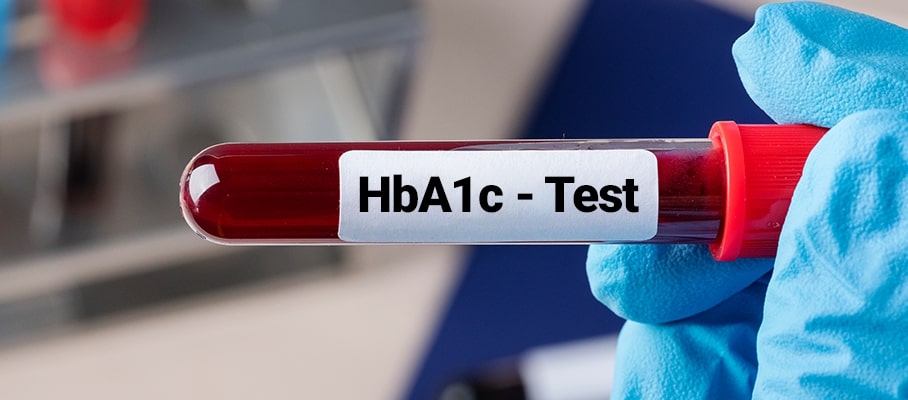
HbA1c Test for Diabetes: Importance, Range, Target and Results
What HbA1c (haemoglobin A1c) test is Used For? The HbA1c test, also known as the glycated haemoglobin test, is a crucial blood test that measures the average level of glucose attached to haemoglobin in red blood cells over the past two to three months. Haemoglobin is a protein in red blood cells responsible for carrying oxygen throughout the body. The HbA1c test meaning lies in its ability to provide a comprehensive picture of your blood sugar control over an extended period, unlike a finger-prick test that offers a momentary reading of blood glucose levels. This test is particularly important for managing diabetes, as it helps healthcare providers assess the effectiveness of diabetes treatment plans. By measuring the percentage of haemoglobin coated with sugar, the HbA1c test offers valuable insights into how well your body has been managing glucose levels in the recent past. A higher percentage indicates that your blood sugar levels have been consistently elevated, which may signal the need for adjustments in your diabetes management strategy. What is it used for? The primary use of the HbA1c test is to diagnose diabetes and prediabetes, as well as to monitor the effectiveness of diabetes treatment plans. Healthcare providers rely on this test to assess long-term blood glucose control in individuals with diabetes, ensuring that their management strategies are on track. Additionally, the HbA1c test can be used for people at risk of developing diabetes to monitor their status and take preventive measures if needed. By understanding the HbA1c test meaning and its role in diabetes care, individuals can work closely with their healthcare team to maintain optimal blood sugar levels and reduce the risk of diabetes-related complications. Why is the HbA1c test done, and what is its significance? The HbA1c test holds immense significance in assessing the effectiveness of diabetes management and diagnosing conditions like diabetes and prediabetes. Its ability to provide a comprehensive overview of blood sugar levels over time makes it a vital tool for adjusting treatment plans and preventing potential complications. Here are some key reasons why the HbA1c test is done and its significance: Long-term glucose control assessment: The test helps healthcare providers evaluate how well an individual's diabetes management plan is working over a period of two to three months. Early identification of complications: By detecting consistently high blood sugar levels, the HbA1c test allows for early identification and intervention to prevent or delay the onset of diabetes-related complications such as nerve damage, kidney disease, and cardiovascular issues. Treatment plan adjustments: The results of the HbA1c test guide healthcare providers in making necessary adjustments to medication, diet, and lifestyle recommendations to improve glycaemic control. Pregnancy monitoring: The HbA1c test is crucial during pregnancy, as uncontrolled blood sugar levels can pose risks to both the mother and the developing foetus. Diagnosis of prediabetes and diabetes: The HbA1c test is one of the primary tools used to diagnose prediabetes and diabetes based on established cut-off points. By understanding the HbA1c test meaning and its significance, individuals can take a proactive approach to their diabetes management, working closely with their healthcare team to maintain optimal blood sugar control and prevent long-term complications. Frequency of getting tested In general, people having diabetes and pre-diabetes should get their HbA1c tested every 3 months. If you are healthy but have a family history of diabetes or think your lifestyle makes you prone to develop diabetes, you should get an HbA1c test done every 6 months. You can consult a doctor on how frequently you should take a test for your health condition. HbA1c Results The results of the A1c test are presented as a percentage. The test result shows the amount of hemoglobin that glucose has bound to in your blood. For diagnostic purposes, the test results may be as follows: Normal/ Healthy: Below 5.7% Pre-diabetes: 5.7–6.4% Diabetes: 6.5% or more There are certain factors and some medical conditions that can change the HbA1c result slightly and even lead to a higher reading. Some conditions that can cause a false A1c number include: Liver disease Kidney disease Recent blood loss or transfusion Low iron levels Certain blood-related conditions Your doctor is the best guide to analyse the results. HbA1c Target levels A healthy person who does not have diabetes should target for an HbA1c score below 5.7 percent. If a person has an HbA1c score of 6.5 percent or higher, it’s likely that he /she has diabetes. During treatment for diabetes, different people will have different targets, based on factors such as their age and medicines they are taking. In general, diabetics might be asked to keep their HbA1c result below 7 percent. Older adults having diabetes and diabetics who might also be at risk of low sugar levels (hypoglycemia), can be recommended an HbA1c number of around 8%. Test preparation for HbA1c Unlike fasting or post meal blood sugar tests, no special preparation is needed for an HbA1c test. You do not need to fast. You can give a test sample at any time of the day. Also, do not miss your medicines on the day of getting tested. COVID-19 and HbA1c The entire pandemic situation has made managing diabetes well more important than ever for people having diabetes. HbA1c gives you a sneak peek into how well your blood glucose has been doing over the past 2-3 months. Look for trusted labs and safe services when you have to take an HbA1c test. Have to get tested and not sure where to get it done? Book an HbA1c test online and get tested within the comfort of your home. Is there anything else I need to know about an HbA1c test? It's important to note that certain medical conditions can impact the accuracy of HbA1c test results. Individuals with conditions that affect red blood cells, such as haemolytic anaemia or sickle cell disease, should discuss alternative testing methods with their healthcare provider. Additionally, factors like stress, illness, or recent changes in diet or medication may influence the test results, so it's crucial to consider these when interpreting the HbA1C test meaning. FAQs What are 5 signs your blood sugar is too high? Increased thirst and frequent urination Blurred vision Fatigue and weakness Slow-healing wounds or frequent infections Tingling or numbness in hands and feet Can I lower my HbA1c quickly? Lowering HbA1c levels quickly is challenging but possible through strict adherence to a diabetes management plan and adjusting medication as directed by your healthcare provider. How is HbA1c different from a regular blood sugar test? The HbA1C test provides an average of your blood sugar levels over the past two to three months, while a regular blood sugar test offers a snapshot of your glucose levels at a specific moment. What's the ideal HbA1c target for people with diabetes? The ideal HbA1C level for people with diabetes is generally below 48 mmol/mol (6.5%). However, target levels may vary depending on individual factors such as age, duration of diabetes, and presence of other health conditions. Is the HbA1c test safe during pregnancy? Yes, the HbA1C test is safe during pregnancy and plays a crucial role in monitoring blood sugar levels to ensure the health of both the mother and the developing foetus. Pregnant women with diabetes may require more frequent HbA1C testing to maintain optimal glucose control. Is a high HbA1c level reversible? Yes, high HbA1C levels can be reduced through effective diabetes management strategies, including medication, diet, exercise, and regular blood sugar monitoring. Do supplements or natural remedies affect HbA1c? Some supplements and natural remedies may impact blood sugar levels and, consequently, HbA1c results. However, it's essential to consult your healthcare provider before incorporating any supplements or natural remedies into your diabetes management plan to ensure safety and effectiveness.