Home Visit
 Upload





Dengue Fever Symptoms
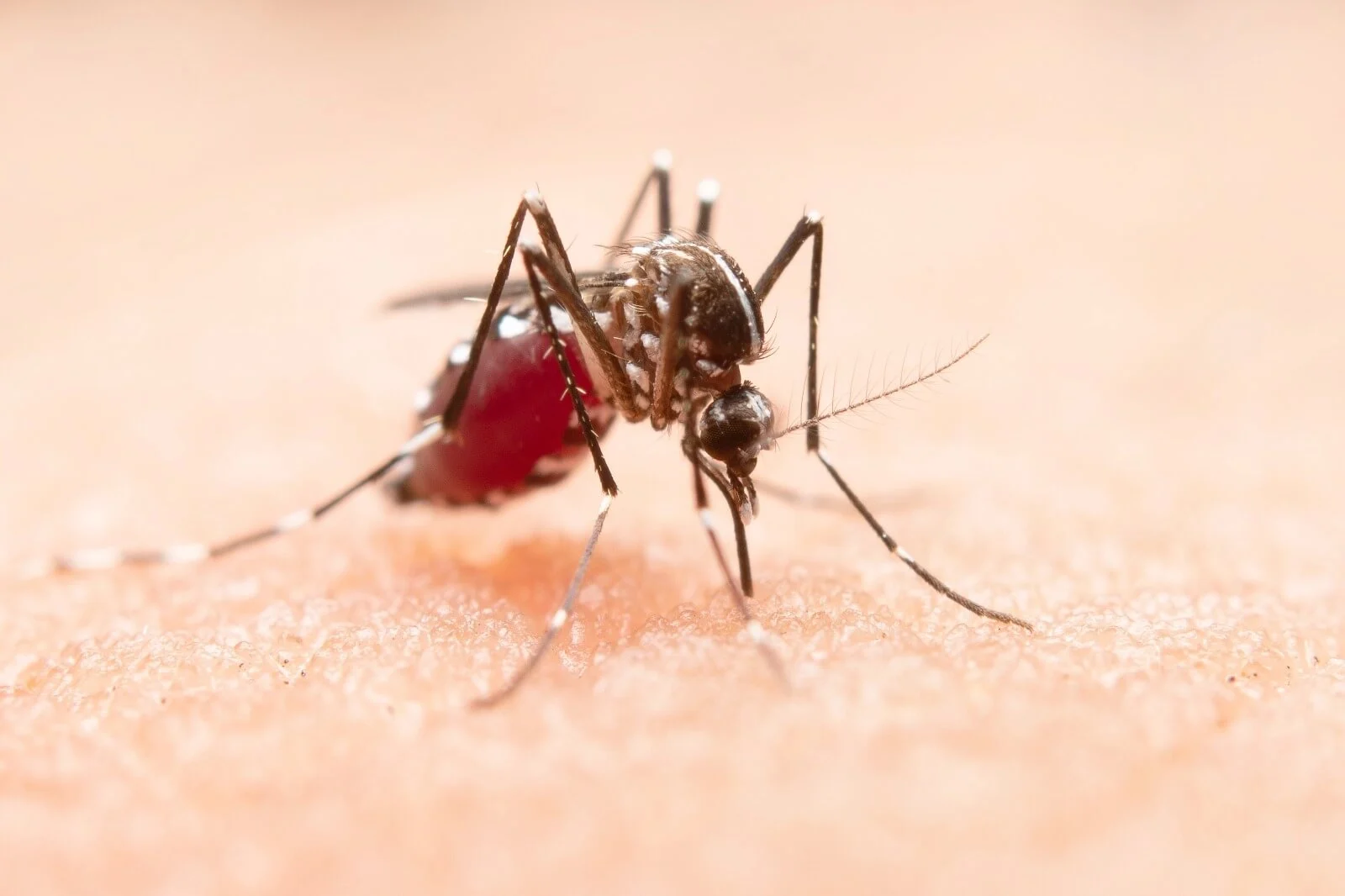
Dengue Fever - Symptoms, Causes, Diagnosis, Treatment
Dengue fever is a mosquito-borne viral illness that affects millions of people worldwide. With its distinctive symptoms and potential for severe complications, understanding dengue is crucial for staying safe, especially in regions where the disease is prevalent. In this detailed guide, we take a close look at dengue fever. We'll cover its signs, how it can be treated, ways to prevent it, and more. What is Dengue Fever? Dengue fever, often referred to as "breakbone fever," is a viral illness transmitted by Aedes mosquitoes. It is prevalent in tropical and subtropical regions. Dengue can range from mild to severe, with severe cases potentially leading to dengue haemorrhagic fever or dengue shock syndrome, which can be life-threatening. Whom Does Dengue Fever Affect? Dengue fever can affect people of all ages and backgrounds, but it is more common in regions where Aedes mosquitoes thrive, such as parts of Asia, the Pacific Islands, and the Americas. Travellers to these areas are also at risk if they are not adequately protected against mosquito bites. How Common is Dengue Fever? Dengue fever is a significant global health concern. It is estimated that hundreds of millions of cases occur each year, with a substantial number resulting in hospitalization and fatalities. The incidence of dengue varies by region and can be influenced by factors like climate and mosquito populations. Can You Be Immune to Dengue Fever? Immunity to dengue fever is complex. While infection with one dengue virus serotype can provide immunity against that specific serotype, it can increase the risk of severe disease if a person is subsequently infected with a different serotype. This phenomenon, known as antibody-dependent enhancement (ADE), makes developing a vaccine challenging. What are the Symptoms of Dengue Fever? The dengue fever symptoms typically manifest after an incubation period of 4 to 10 days following the mosquito bite. These symptoms can vary in intensity from person to person, but common signs and symptoms include: Sudden High Fever: Dengue often begins with a sudden and high fever, which can reach up to 104°F (40°C). This fever is one of the hallmark signs of dengue. Severe Headaches: Dengue fever is accompanied by intense headaches, which can be debilitating. The dengue fever temperature pattern typically includes fever which is located behind the eyes and can cause significant discomfort. Pain Behind the Eyes: Along with headaches, individuals with dengue may experience pain and discomfort behind their eyes. This symptom can contribute to the overall discomfort of the illness. Severe Joint and Muscle Pain: Dengue is often referred to as "breakbone fever" because of the severe joint and muscle pain it causes. This pain can be quite intense and may affect multiple joints and muscles. Fatigue: Dengue fever can lead to extreme fatigue and weakness, making it difficult for individuals to carry out their daily activities. Nausea: Dengue fever causes nausea as well, and it is often accompanied by a lack of appetite. Vomiting: In addition to nausea, vomiting can occur in individuals with dengue. This can lead to dehydration, which is a concern in dengue cases. Skin Rash: Some people with dengue may develop a skin rash. Dengue symptoms rash can vary in appearance and is usually accompanied by other symptoms. Mild Bleeding from the Nose or Gums: Dengue can cause mild bleeding from the nose or gums. While this bleeding is generally not severe, it is one of the symptoms to watch for. Mild Bruising: Bruising can occur in dengue cases, and it is often mild. It can be a result of the impact of the virus on blood vessels. Severe Dengue (Dengue Haemorrhagic Fever) Severe dengue is a life-threatening form of the disease that can lead to shock, internal bleeding, and organ failure. Warning signs include severe abdominal pain, persistent vomiting, rapid breathing, fatigue, and restlessness. what is the first sign of dengue fever? The first sign of Dengue fever is typically a sudden high fever, which can reach up to 105°F (40°C). This fever is often accompanied by other flu-like symptoms such as severe headache, joint and muscle pain, vomiting, and a skin rash. It's essential to monitor these symptoms closely, as early detection and medical care can be crucial in managing Dengue fever effectively. What Causes Dengue Fever? Dengue fever is caused by the dengue virus, which belongs to the Flavivirus family. This virus is primarily transmitted to humans through the bite of infected Aedes mosquitoes, particularly Aedes aegypti. Once infected, a person can transmit the virus to others through mosquito bites during the initial fever phase. How Does Dengue Fever Spread? Dengue fever spreads through the bite of infected female Aedes mosquitoes. These mosquitoes are most active during the early morning and late afternoon. Dengue can be transmitted from an infected mother to her newborn during childbirth or through breastfeeding. is dengue contagious? Dengue fever itself is not directly contagious from person to person. It requires the intermediary of Aedes mosquitoes for transmission. However, infected individuals can serve as a source of the virus for mosquitoes if they are bitten during the early phase of their illness when the virus is present in their blood. How Does Dengue Fever Spread? Dengue fever spreads through the bite of infected female Aedes mosquitoes. These mosquitoes are most active during the early morning and late afternoon, making it crucial to protect against mosquito bites during these times. Additionally, dengue can be transmitted from an infected mother to her newborn during childbirth or through breastfeeding. How is Dengue Fever Diagnosed? Dengue fever is diagnosed through blood tests that detect the virus or antibodies. One common test detects dengue virus-specific antibodies, including IgG and IgM. These tests are vital for confirming the virus's presence, especially in the later stages when it becomes more detectable. Dengue Symptoms For Kids Dengue symptoms in children may include high fever, severe headache, body aches, joint pain, vomiting, and in severe cases, bleeding from the nose or gums How is Dengue Fever Treated? Dengue fever has no specific antiviral treatment. Management focuses on supportive care, which includes: Hydration: Staying well-hydrated is crucial to prevent dehydration. Pain and Fever Management: Over-the-counter pain relievers like acetaminophen can help manage symptoms. Monitoring: Close monitoring for complications, especially severe dengue, is essential. Seek immediate medical attention if warning signs appear. How Do I Manage Dengue Fever Symptoms? To manage dengue fever symptoms, get plenty of rest, drink fluids to stay hydrated, and take pain relievers like acetaminophen for pain and fever. Avoid non-steroidal anti-inflammatory drugs (NSAIDs) and aspirin, as they can increase the risk of bleeding. How Can I Reduce My Risk of Dengue Fever? Reducing the risk of dengue involves preventing mosquito bites. Use insect repellent, wear long-sleeved clothing, and use mosquito nets or screens in sleeping areas. Eliminate mosquito breeding sites by removing standing water where mosquitoes lay eggs. What Can I Expect If I Have Dengue Fever? Dengue symptoms typically include high fever, severe headache, joint and muscle pain, and a rash. Seek medical care if symptoms worsen. How Long Does Dengue Fever Last? Dengue fever usually lasts for about a week, but recovery can take several weeks, and fatigue may persist. Can You Survive Dengue Fever? Most cases of dengue fever are mild and can be managed with supportive care. However, severe dengue can be fatal without prompt medical treatment. Complications of Dengue Fever in Pregnancy Pregnant women with dengue fever are at risk of severe complications, including preterm birth, low birth weight, and other adverse outcomes. Immediate medical attention is crucial for pregnant individuals with dengue. Can You Get Dengue Fever Multiple Times? Yes, it is possible to get dengue fever multiple times. Dengue is caused by four different serotypes of the dengue virus (DEN-1, DEN-2, DEN-3, and DEN-4). When you recover from one serotype, you develop immunity to that specific serotype. However, subsequent infections with different serotypes can occur, and they are known to be more severe than the initial infection. This is because the immune response to the second infection can sometimes trigger a more intense reaction, leading to severe dengue, also called dengue hemorrhagic fever or dengue shock syndrome. How Do I Take Care of Myself If I’ve Had Dengue? Rest, stay hydrated, and follow medical advice for a full recovery. When Should I See My Healthcare Provider? You should seek medical attention if you experience severe symptoms of dengue, such as severe abdominal pain, persistent vomiting, bleeding, or difficulty breathing. What Questions Should I Ask My Doctor? When discussing your dengue fever diagnosis and treatment with your doctor, consider asking about available treatment options. Ask about the expected recovery time, and precautions you can take to prevent future dengue infections. Is Dengue Deadlier Than Malaria? Dengue and malaria are both serious mosquito-borne diseases, but their deadliness can vary by region. Malaria has a higher global mortality rate, causing hundreds of thousands of deaths annually, primarily in sub-Saharan Africa. Dengue can also be fatal, but the mortality rate is generally lower on a global scale. However, dengue's severity can vary significantly by region, and it can cause severe complications, especially in areas with limited access to healthcare. Conclusion Dengue fever is a widespread and potentially dangerous illness transmitted by Aedes mosquitoes. Understanding its symptoms, prevention methods, and when to seek medical care is crucial for managing the disease. Protecting against mosquito bites is the primary preventive measure, and early detection of severe symptoms is essential for timely medical intervention. Stay informed and take steps to reduce the risk of dengue fever, especially in regions where it is prevalent. For accurate blood testing and health check-up services, you can rely on Metropolis Labs a trusted chain of diagnostic labs across India. Their team of qualified blood collection technicians makes at-home visits for blood samples, which are processed at advanced diagnostic labs. The reports are conveniently shared online via email and the Metropolis TruHealth app. For accurate and convenient blood testing and health check-ups, visit Metropolis India today! Your health matters.
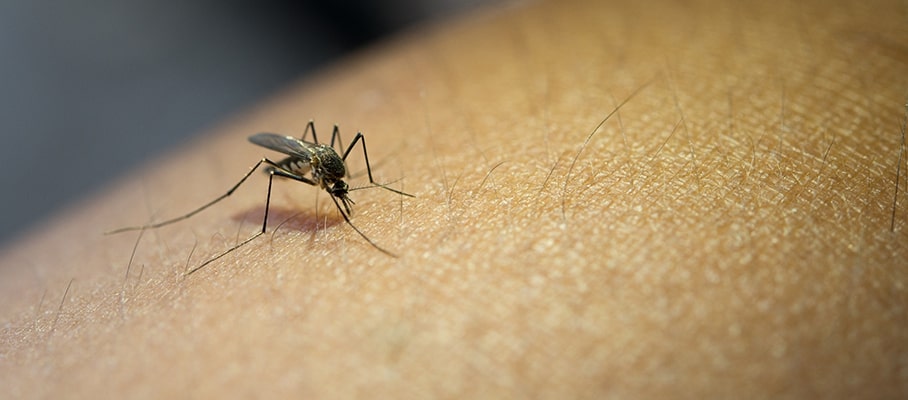
Dengue Fever: Symptoms, Causes, Risk Factors and More
Feeling unwell with a sudden fever or unusual aches can be worrying, especially when you don’t know what’s behind it. Dengue fever is one possible cause, spread through mosquito bites in certain areas. While most people recover fully, it's helpful to recognise what signs to look for and understand what puts someone at risk. This guide is here to help you learn about dengue fever clearly—what causes it, how it affects your body, and when it’s important to speak with a doctor. What is Dengue Fever? Dengue fever is a viral illness transmitted through the bites of infected Aedes mosquitoes, particularly Aedes aegypti and Aedes albopictus. It is often referred to as a mosquito-borne viral infection. When a dengue mosquito bites a person already infected, it can spread the virus to others. The illness often leads to high fever, body aches, and fatigue. Although it can feel severe, many people recover with rest, hydration, and supportive care. Understanding the condition can help you manage it calmly and take the right steps if symptoms appear. Who Does Dengue Fever Affect? Anyone bitten by an infected mosquito can get dengue fever, but not everyone who’s infected becomes ill. You are more at risk if you spend time in warm, humid areas where mosquitoes thrive. People of all ages can be affected, although children, older adults, and those with weakened immune systems may have a harder time recovering. The condition can also be more serious if you’ve had it before or live in places where the virus spreads easily. Can You Be Immune To Dengue Fever? Once you recover from dengue fever, your body develops immunity to the specific serotype of the virus you were infected with. However, there are four distinct dengue virus serotypes, so immunity to one does not protect against the others. There are four known types of the dengue virus. Here's what to know: You gain lifelong immunity to the strain you were infected with. However, you’re still vulnerable to the other three types. Getting dengue a second time with a different strain increases your risk of severe illness. Your body recognises the first strain but may not defend well against others, making the infection potentially more serious. This process is called antibody-dependent enhancement. If you have had dengue before, be cautious and protect yourself from mosquito bites in the future. Symptoms of Dengue Fever When you get dengue fever, symptoms may appear four to ten days after being bitten. At first, it can feel like the flu, but there are signs that make it different. Common dengue symptoms include: Sudden high fever, often around 40°C (104°F) Intense headache, especially behind the eyes Muscle, bone, or joint pain Nausea and vomiting Skin rash, usually appearing a few days after the fever starts Fatigue or extreme tiredness Mild bleeding such as nosebleeds or bleeding gums Swollen glands Symptoms typically last between 2 to 7 days. Most individuals begin to feel better as the fever subsides. If your symptoms seem to worsen after the fever drops, it’s important to seek medical care promptly. Severe Dengue (Dengue Hemorrhagic Fever) In certain cases, dengue can progress to a more severe form known as severe dengue or dengue hemorrhagic fever. This can occur when the blood vessels become leaky and the number of platelets in your blood drops. Watch for these signs: Severe abdominal pain Persistent vomiting Bleeding from gums or nose Blood in vomit or stool Fatigue or restlessness Rapid breathing Bruising or bleeding under the skin Causes of Dengue Fever Causes of dengue virus lie in the bite of an infected mosquito. The two main mosquito species responsible are Aedes aegypti and Aedes albopictus. Here’s how the virus spreads: A mosquito bites a person already infected with the dengue fever virus. The virus multiplies inside the mosquito over several days. When that mosquito bites another person, it passes the virus into their bloodstream. The virus cannot spread directly from one person to another. Mosquitoes carrying dengue often bite during daylight, especially early morning or late afternoon. These mosquitoes breed in standing water, such as flower pots, tyres, and buckets. Understanding how the virus spreads helps with dengue prevention. Risk Factors Certain factors can increase your chance of getting dengue or developing complications from it. Being aware helps you make informed choices. Here are key risk factors: Living in or visiting areas where dengue is common Being bitten by mosquitoes in urban or densely populated locations Having had dengue before—repeat infections can be more severe Weakened immune system or chronic conditions Being pregnant, as the virus can affect the baby Poor mosquito control in the area (stagnant water, no screens on windows) Lack of protective clothing or repellent use Sudden outbreaks in your community or neighbourhood Taking steps to protect yourself in high-risk areas is vital. Complications While many recover without any issues, dengue fever can sometimes cause complications, especially if not managed properly. These can include: Dehydration from vomiting and high fever Low platelet count, which increases bleeding risk Damage to blood vessels, leading to fluid leakage Liver inflammation (hepatitis) Low blood pressure or shock Bleeding in internal organs Long-term fatigue even after recovery Premature birth or complications during pregnancy Prompt care helps reduce these risks. Keep a close eye on how you or your loved one is feeling and seek help if anything feels unusual. Diagnosis And Tests If you suspect a dengue fever, your doctor will likely recommend tests to confirm it. These are often done using blood samples. Tests may include: A dengue profile test that checks for antibodies and antigens in your blood The dengue NS1 antigen test, which can detect early infection within the first few days of symptoms The dengue IgM antibody test, which helps confirm recent infection Full blood count to check platelet levels Liver function tests to assess how your liver is coping Additional tests to rule out other infections like malaria or typhoid These tests give your doctor a clearer picture of your condition and guide treatment decisions. Getting tested early leads to better outcomes. Treatment There is no specific treatment for dengue fever. The focus is on relieving symptoms and supporting the body as it fights the infection. This includes actions like: Taking rest and consuming plenty of fluids to prevent dehydration Using pain relief medications such as paracetamol and ibuprofen for headaches and muscle pain Using anti-motion sickness medications such as meclizine and promethazine for nausea and vomiting Consuming a fever reducer such as acetaminophen or diphenhydramine for fever Utilising mosquito repellent to prevent further bites Prevention is the best method of avoiding dengue fever, but these medications and measures can be used to effectively treat and recover from the illness. Prevention You can take steps to protect yourself and your loved ones from dengue fever. Reducing your risk of mosquito bites is key. Effective dengue prevention measures include: Wearing light-coloured, long-sleeved clothing Using insect repellent containing DEET, picaridin, or oil of lemon eucalyptus Sleeping under mosquito nets if needed Keeping doors and windows screened Getting rid of standing water around your home Changing water in flower pots and pet dishes regularly Avoiding travel to high-risk areas if you’re pregnant or unwell Using mosquito coils or vaporisers inside your home Taking these steps regularly lowers your chances of being bitten by a dengue mosquito and reduces the spread in your community. Conclusion Dengue fever can be concerning, but with prompt medical attention and preventive measures, recovery is achievable. Recognizing the symptoms early and seeking proper dengue treatment are key to managing the illness effectively For an accurate testing and reliable reports, Metropolis Healthcare offers an advanced diagnostics, including home collection services. Their trusted expertise ensures you get the clarity and support you need. When it comes to managing your health with confidence, Metropolis Healthcare is a dependable choice you can count on. FAQs How common is dengue fever? Dengue fever is extremely common, affecting around 400 million people globally each year. It’s particularly widespread in tropical and subtropical regions where mosquito populations thrive, often leading to seasonal outbreaks in vulnerable areas. Can you be immune to dengue fever? Yes, but only to the specific strain you were infected with. There are four strains of the virus, so it's still possible to get infected again with a different one later. How does dengue fever spread? Dengue fever spreads through bites from infected Aedes mosquitoes. When they bite a person carrying the virus, they become carriers and can transmit it to others during future bites, continuing the infection cycle. Is dengue fever contagious? No, dengue fever isn’t spread from person to person. It only spreads through mosquito bites, meaning an infected mosquito must bite someone to pass on the virus, not through contact or coughing. What can I expect if I have dengue fever? You may experience high fever, fatigue, rash, and joint pain. Most people recover fully with rest and fluids, but some may develop severe symptoms that require medical attention during the recovery phase. How long does dengue fever last? Dengue fever usually lasts between 3 to 7 days. However, fatigue and weakness can continue for days or weeks after the fever subsides. Recovery depends on hydration, rest, and proper symptom monitoring. Can you survive dengue fever? Yes, most people recover well from dengue fever with proper care. Severe cases need immediate treatment, but survival rates are high when symptoms are recognised early and managed by healthcare professionals. Can you get dengue fever multiple times? Yes, you can. Since there are four dengue virus types, immunity to one doesn’t protect you from the others. Repeated infections increase the risk of developing severe or life-threatening complications. Is dengue deadlier than malaria? Malaria causes more global deaths, but severe dengue can still be life-threatening. Both are serious mosquito-borne illnesses requiring medical attention, though their treatment approaches and global impact differ significantly in severity. Which fruit is best for dengue? Papaya is often recommended as it may help improve platelet counts. Fruits like kiwi, pomegranate, and oranges also support immunity, hydration, and energy during recovery from dengue fever symptoms. How can I increase my platelets in dengue? Staying hydrated and eating foods rich in vitamins C and K can help. Papaya leaf extract is popular, but you should consult your doctor before trying any supplements or home remedies. What happens on the 5th day of dengue? The fifth day can be critical. Some people begin recovering, while others may show warning signs like bleeding or stomach pain. Close monitoring is essential for spotting severe dengue early.