Home Visit
 Upload





dengue fever

Understanding Dengue Hemorrhagic Fever/Dengue Shock Syndrome & Multi Organ Failure
Dengue fever is a mosquito-borne viral illness that affects millions of people worldwide each year. While many cases of dengue fever are mild, the disease can progress to more severe forms, such as Dengue Hemorrhagic Fever (DHF) and Dengue Shock Syndrome (DSS). Understanding these severe forms is crucial for effective treatment and prevention. DSS, in particular, poses a significant global health threat due to its potential to cause severe complications and high mortality rates. Understanding Dengue Virus and Its Transmission The dengue virus belongs to the Flaviviridae family and has four distinct serotypes (DEN-1, DEN-2, DEN-3, and DEN-4). Each serotype can cause dengue fever, but subsequent infections with different serotypes increase the risk of developing severe forms of the disease. Dengue virus is primarily transmitted through the bite of infected Aedes mosquitoes, particularly Aedes aegypti and Aedes albopictus. These mosquitoes thrive in tropical and subtropical regions, making dengue a major public health concern in these areas. Symptoms of typical dengue fever include high fever, severe headache, pain behind the eyes, joint and muscle pain, rash, and mild bleeding. Progression to Severe Dengue Severe dengue, encompassing DHF and DSS, occurs when the body’s immune response to the dengue virus leads to increased vascular permeability, plasma leakage, and bleeding. Factors contributing to severe dengue include: Previous Dengue Infection: Individuals who have had a previous dengue infection are at higher risk of developing severe dengue upon subsequent infections due to antibody-dependent enhancement (ADE). Viral Factors and Host Genetics: Certain viral strains and host genetic factors can influence the severity of the disease. DHF is characterized by increased vascular permeability, which leads to plasma leakage into surrounding tissues, resulting in bleeding, low platelet count (thrombocytopenia), and high hematocrit levels. Patients with DHF may experience symptoms such as severe abdominal pain, persistent vomiting, rapid breathing, bleeding gums, blood in vomit or stool, and fatigue. DSS is an advanced and more critical form of DHF. DSS occurs when the plasma leakage becomes so severe that it leads to hypovolemic shock—a dangerous condition where the body’s blood volume is critically low. This can cause a drastic drop in blood pressure, leading to insufficient blood flow to vital organs. DSS can rapidly progress to multi-organ failure, manifesting in symptoms such as severe hypotension, altered mental status, renal failure, liver dysfunction, respiratory distress, and cardiac arrhythmias. Multi-Organ Failure in Dengue Shock Syndrome In severe cases of DSS, the profound plasma leakage and resultant hypovolemic shock can lead to multi-organ failure, a life-threatening condition where multiple organ systems fail simultaneously or sequentially. The pathophysiological mechanisms involve: Severe Hypotension: Persistent low blood pressure reduces blood flow to vital organs, causing ischemia and hypoxia. Cytokine Storm: An excessive immune response releases large amounts of cytokines, leading to systemic inflammation and further tissue damage. Metabolic Acidosis: Accumulation of lactic acid from anaerobic metabolism during hypoperfusion exacerbates organ dysfunction. Clinical Manifestations of Multi-Organ Failure Patients with DSS who progress to multi-organ failure may exhibit a variety of clinical signs, depending on the organs affected: Renal or Kidney Failure: Characterized by reduced urine output (oliguria or anuria), elevated creatinine and blood urea nitrogen (BUN) levels, and electrolyte imbalances. Hepatic or Liver Failure: Indicated by jaundice, elevated liver enzymes (AST, ALT), coagulopathy due to impaired synthesis of clotting factors, and hepatic encephalopathy. Cardiovascular or Heart Failure: Manifested by persistent hypotension, arrhythmias, and myocardial dysfunction. Respiratory Failure: Exhibited by hypoxemia, respiratory distress, and the need for mechanical ventilation. Central Nervous System Involvement: Altered mental status, seizures, and coma due to cerebral hypoperfusion and metabolic derangements. Importance of Early Diagnosis and Intervention Early and accurate detection of DSS is critical in reducing morbidity and mortality associated with the disease. Recognizing the warning signs and symptoms early allows for timely medical intervention, which can prevent the progression to severe shock and multi-organ failure. Rapid diagnosis enables healthcare providers to initiate appropriate fluid resuscitation, closely monitor the patient, and administer supportive treatments before complications arise. Early detection also facilitates better patient outcomes by reducing the need for more invasive procedures and prolonged hospital stays. Key diagnostic criteria and warning signs include sudden onset of high fever, severe abdominal pain, persistent vomiting, and bleeding tendencies. Continuous monitoring allows for timely adjustments to treatment plans and the use of advanced supportive therapies. Laboratory tests are crucial for confirming the diagnosis and assessing the severity of the condition: Complete Blood Count (CBC): Helps detect leukopenia, thrombocytopenia, and hemoconcentration. Hematocrit Levels: Elevated hematocrit indicates plasma leakage. Coagulation Profile: Assesses bleeding tendencies. Liver Function Tests: Elevated liver enzymes suggest liver involvement. Differential diagnosis involves distinguishing DSS from other febrile illnesses, such as malaria, leptospirosis, and other hemorrhagic fevers. Management of Multi-Organ Failure Managing multi-organ failure in DSS requires a multidisciplinary approach and intensive care support: Hemodynamic Support: Continuous fluid resuscitation, use of vasopressors to maintain blood pressure, and close monitoring of hemodynamic status. Renal Support: Renal replacement therapy (dialysis) may be necessary for patients with severe acute kidney injury. Hepatic Support: Management of coagulopathy with fresh frozen plasma, vitamin K, and addressing hepatic encephalopathy with lactulose or rifaximin. Respiratory Support: Oxygen therapy and mechanical ventilation for patients with severe respiratory distress or failure. Nutritional Support: Providing adequate nutrition to support metabolism and recovery. Educating healthcare providers about the early signs of organ dysfunction and the importance of rapid, coordinated care can significantly reduce the mortality associated with severe dengue and multi-organ failure. Public health efforts to promote early detection and proper management of dengue infections can also play a crucial role in preventing the progression to such severe complications. Conclusion In conclusion, the early recognition and prompt management of Dengue Hemorrhagic Fever (DHF) and Dengue Shock Syndrome (DSS) are vital in preventing multi-organ failure and reducing mortality rates. Understanding the progression from typical dengue fever to its severe forms is crucial for effective treatment and intervention. At Metropolis, we prioritize your health by offering a comprehensive fever panel to detect and diagnose dengue infections early. Book your fever panel today at Metropolis and ensure timely intervention to safeguard your health against severe dengue complications. Don't wait—take proactive steps to protect yourself and your loved ones.
Dengue Fever - Symptoms, Causes, Diagnosis, Treatment
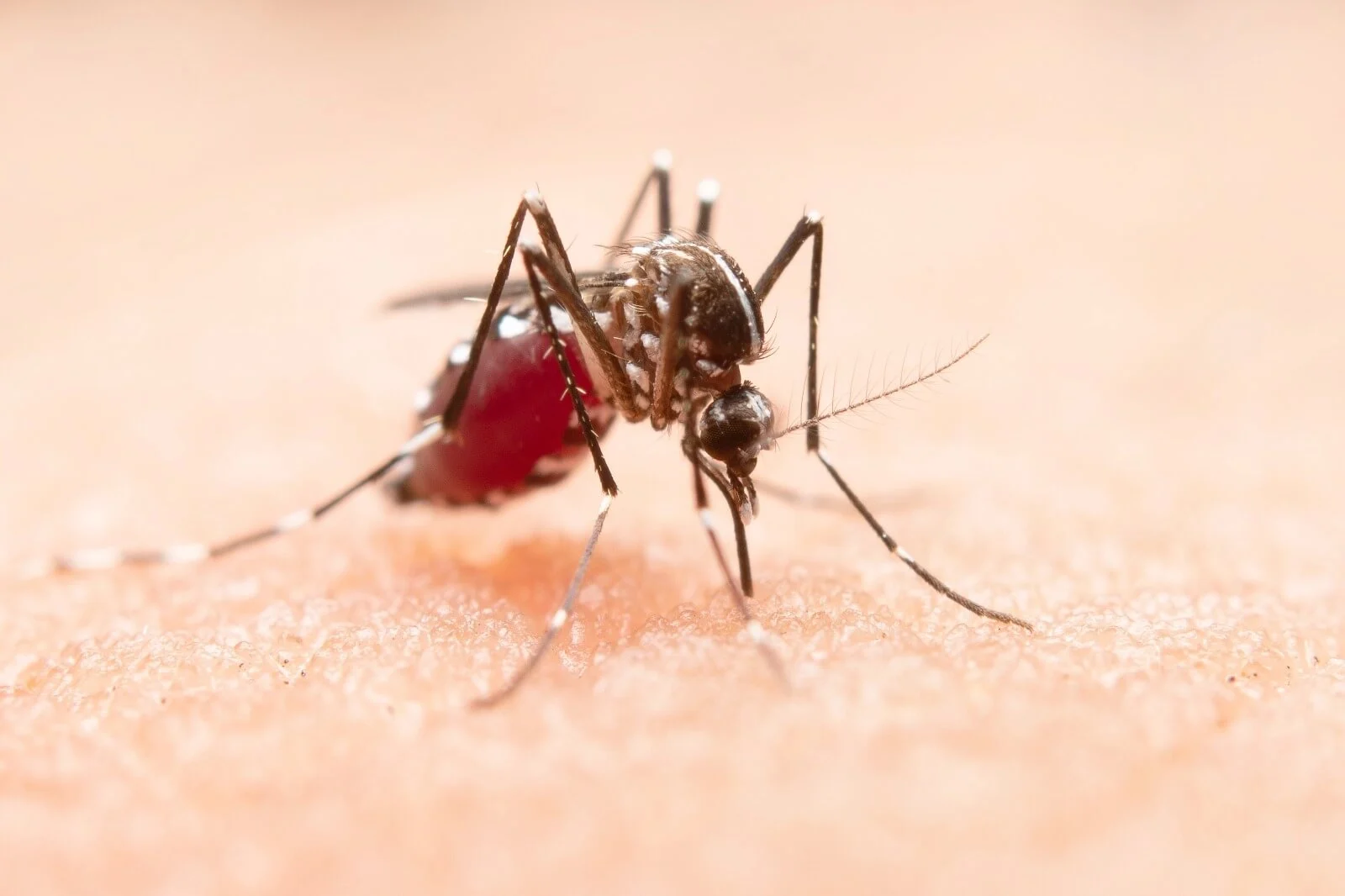
Dengue fever is a mosquito-borne viral illness that affects millions of people worldwide. With its distinctive symptoms and potential for severe complications, understanding dengue is crucial for staying safe, especially in regions where the disease is prevalent. In this detailed guide, we take a close look at dengue fever. We'll cover its signs, how it can be treated, ways to prevent it, and more. What is Dengue Fever? Dengue fever, often referred to as "breakbone fever," is a viral illness transmitted by Aedes mosquitoes. It is prevalent in tropical and subtropical regions. Dengue can range from mild to severe, with severe cases potentially leading to dengue haemorrhagic fever or dengue shock syndrome, which can be life-threatening. Whom Does Dengue Fever Affect? Dengue fever can affect people of all ages and backgrounds, but it is more common in regions where Aedes mosquitoes thrive, such as parts of Asia, the Pacific Islands, and the Americas. Travellers to these areas are also at risk if they are not adequately protected against mosquito bites. How Common is Dengue Fever? Dengue fever is a significant global health concern. It is estimated that hundreds of millions of cases occur each year, with a substantial number resulting in hospitalization and fatalities. The incidence of dengue varies by region and can be influenced by factors like climate and mosquito populations. Can You Be Immune to Dengue Fever? Immunity to dengue fever is complex. While infection with one dengue virus serotype can provide immunity against that specific serotype, it can increase the risk of severe disease if a person is subsequently infected with a different serotype. This phenomenon, known as antibody-dependent enhancement (ADE), makes developing a vaccine challenging. What are the Symptoms of Dengue Fever? The dengue fever symptoms typically manifest after an incubation period of 4 to 10 days following the mosquito bite. These symptoms can vary in intensity from person to person, but common signs and symptoms include: Sudden High Fever: Dengue often begins with a sudden and high fever, which can reach up to 104°F (40°C). This fever is one of the hallmark signs of dengue. Severe Headaches: Dengue fever is accompanied by intense headaches, which can be debilitating. The dengue fever temperature pattern typically includes fever which is located behind the eyes and can cause significant discomfort. Pain Behind the Eyes: Along with headaches, individuals with dengue may experience pain and discomfort behind their eyes. This symptom can contribute to the overall discomfort of the illness. Severe Joint and Muscle Pain: Dengue is often referred to as "breakbone fever" because of the severe joint and muscle pain it causes. This pain can be quite intense and may affect multiple joints and muscles. Fatigue: Dengue fever can lead to extreme fatigue and weakness, making it difficult for individuals to carry out their daily activities. Nausea: Dengue fever causes nausea as well, and it is often accompanied by a lack of appetite. Vomiting: In addition to nausea, vomiting can occur in individuals with dengue. This can lead to dehydration, which is a concern in dengue cases. Skin Rash: Some people with dengue may develop a skin rash. Dengue symptoms rash can vary in appearance and is usually accompanied by other symptoms. Mild Bleeding from the Nose or Gums: Dengue can cause mild bleeding from the nose or gums. While this bleeding is generally not severe, it is one of the symptoms to watch for. Mild Bruising: Bruising can occur in dengue cases, and it is often mild. It can be a result of the impact of the virus on blood vessels. Severe Dengue (Dengue Haemorrhagic Fever) Severe dengue is a life-threatening form of the disease that can lead to shock, internal bleeding, and organ failure. Warning signs include severe abdominal pain, persistent vomiting, rapid breathing, fatigue, and restlessness. what is the first sign of dengue fever? The first sign of Dengue fever is typically a sudden high fever, which can reach up to 105°F (40°C). This fever is often accompanied by other flu-like symptoms such as severe headache, joint and muscle pain, vomiting, and a skin rash. It's essential to monitor these symptoms closely, as early detection and medical care can be crucial in managing Dengue fever effectively. What Causes Dengue Fever? Dengue fever is caused by the dengue virus, which belongs to the Flavivirus family. This virus is primarily transmitted to humans through the bite of infected Aedes mosquitoes, particularly Aedes aegypti. Once infected, a person can transmit the virus to others through mosquito bites during the initial fever phase. How Does Dengue Fever Spread? Dengue fever spreads through the bite of infected female Aedes mosquitoes. These mosquitoes are most active during the early morning and late afternoon. Dengue can be transmitted from an infected mother to her newborn during childbirth or through breastfeeding. is dengue contagious? Dengue fever itself is not directly contagious from person to person. It requires the intermediary of Aedes mosquitoes for transmission. However, infected individuals can serve as a source of the virus for mosquitoes if they are bitten during the early phase of their illness when the virus is present in their blood. How Does Dengue Fever Spread? Dengue fever spreads through the bite of infected female Aedes mosquitoes. These mosquitoes are most active during the early morning and late afternoon, making it crucial to protect against mosquito bites during these times. Additionally, dengue can be transmitted from an infected mother to her newborn during childbirth or through breastfeeding. How is Dengue Fever Diagnosed? Dengue fever is diagnosed through blood tests that detect the virus or antibodies. One common test detects dengue virus-specific antibodies, including IgG and IgM. These tests are vital for confirming the virus's presence, especially in the later stages when it becomes more detectable. Dengue Symptoms For Kids Dengue symptoms in children may include high fever, severe headache, body aches, joint pain, vomiting, and in severe cases, bleeding from the nose or gums How is Dengue Fever Treated? Dengue fever has no specific antiviral treatment. Management focuses on supportive care, which includes: Hydration: Staying well-hydrated is crucial to prevent dehydration. Pain and Fever Management: Over-the-counter pain relievers like acetaminophen can help manage symptoms. Monitoring: Close monitoring for complications, especially severe dengue, is essential. Seek immediate medical attention if warning signs appear. How Do I Manage Dengue Fever Symptoms? To manage dengue fever symptoms, get plenty of rest, drink fluids to stay hydrated, and take pain relievers like acetaminophen for pain and fever. Avoid non-steroidal anti-inflammatory drugs (NSAIDs) and aspirin, as they can increase the risk of bleeding. How Can I Reduce My Risk of Dengue Fever? Reducing the risk of dengue involves preventing mosquito bites. Use insect repellent, wear long-sleeved clothing, and use mosquito nets or screens in sleeping areas. Eliminate mosquito breeding sites by removing standing water where mosquitoes lay eggs. What Can I Expect If I Have Dengue Fever? Dengue symptoms typically include high fever, severe headache, joint and muscle pain, and a rash. Seek medical care if symptoms worsen. How Long Does Dengue Fever Last? Dengue fever usually lasts for about a week, but recovery can take several weeks, and fatigue may persist. Can You Survive Dengue Fever? Most cases of dengue fever are mild and can be managed with supportive care. However, severe dengue can be fatal without prompt medical treatment. Complications of Dengue Fever in Pregnancy Pregnant women with dengue fever are at risk of severe complications, including preterm birth, low birth weight, and other adverse outcomes. Immediate medical attention is crucial for pregnant individuals with dengue. Can You Get Dengue Fever Multiple Times? Yes, it is possible to get dengue fever multiple times. Dengue is caused by four different serotypes of the dengue virus (DEN-1, DEN-2, DEN-3, and DEN-4). When you recover from one serotype, you develop immunity to that specific serotype. However, subsequent infections with different serotypes can occur, and they are known to be more severe than the initial infection. This is because the immune response to the second infection can sometimes trigger a more intense reaction, leading to severe dengue, also called dengue hemorrhagic fever or dengue shock syndrome. How Do I Take Care of Myself If I’ve Had Dengue? Rest, stay hydrated, and follow medical advice for a full recovery. When Should I See My Healthcare Provider? You should seek medical attention if you experience severe symptoms of dengue, such as severe abdominal pain, persistent vomiting, bleeding, or difficulty breathing. What Questions Should I Ask My Doctor? When discussing your dengue fever diagnosis and treatment with your doctor, consider asking about available treatment options. Ask about the expected recovery time, and precautions you can take to prevent future dengue infections. Is Dengue Deadlier Than Malaria? Dengue and malaria are both serious mosquito-borne diseases, but their deadliness can vary by region. Malaria has a higher global mortality rate, causing hundreds of thousands of deaths annually, primarily in sub-Saharan Africa. Dengue can also be fatal, but the mortality rate is generally lower on a global scale. However, dengue's severity can vary significantly by region, and it can cause severe complications, especially in areas with limited access to healthcare. Conclusion Dengue fever is a widespread and potentially dangerous illness transmitted by Aedes mosquitoes. Understanding its symptoms, prevention methods, and when to seek medical care is crucial for managing the disease. Protecting against mosquito bites is the primary preventive measure, and early detection of severe symptoms is essential for timely medical intervention. Stay informed and take steps to reduce the risk of dengue fever, especially in regions where it is prevalent. For accurate blood testing and health check-up services, you can rely on Metropolis Labs a trusted chain of diagnostic labs across India. Their team of qualified blood collection technicians makes at-home visits for blood samples, which are processed at advanced diagnostic labs. The reports are conveniently shared online via email and the Metropolis TruHealth app. For accurate and convenient blood testing and health check-ups, visit Metropolis India today! Your health matters.