Home Visit
 Upload





brain aneurysm
1736772454.webp)
Brain Aneurysm: Symptoms, Treatment, and Preventative Measures
What is a Brain Aneurysm? A brain aneurysm is a weakened area in the wall of a brain artery that bulges outward, resembling a small balloon. This condition develops over time and may arise due to factors such as high blood pressure, smoking, genetic predisposition, or injury. While many aneurysms remain asymptomatic, larger ones can press on surrounding brain tissue or nerves, causing symptoms like headaches, vision problems, or neurological deficits. The greatest danger occurs if an aneurysm ruptures, leading to a subarachnoid hemorrhage—a life-threatening type of stroke. Prompt diagnosis and treatment, such as surgical clipping or endovascular coiling, are crucial to prevent severe complications. What happens when a Brain Aneurysm ruptures? When a brain aneurysm causes ruptures, it results in a life-threatening condition known as a subarachnoid hemorrhage (SAH). This occurs when the aneurysm bursts, releasing blood into the space between the brain and its protective covering. The sudden bleeding puts immense pressure on the brain, causing immediate and severe symptoms. These can include an intense headache, often described as the "worst headache of my life," neck stiffness, nausea, vomiting, sensitivity to light, confusion, or drowsiness. In some cases, there may also be a loss of consciousness. Without prompt medical intervention, a ruptured aneurysm can lead to long-term disabilities, coma, or even death due to the brain damage caused by the bleeding. Brain aneurysm treatment typically involves emergency surgery or endovascular procedures to repair the aneurysm and stop the bleeding. Early diagnosis and rapid treatment are critical to minimising the risk of severe complications and improving the chances of recovery. Who do Brain Aneurysm affect? While brain aneurysms can affect anyone, certain individuals are at a higher risk. This includes people with genetic conditions like autosomal dominant polycystic kidney disease (ADPKD) and those with a family history of brain aneurysms. How common are Brain Aneurysms? Approximately 1 in 50 people have an unruptured brain aneurysm. However, it's important to note that most aneurysms do not rupture. Still, understanding the risk factors and being aware of brain aneurysm symptoms can help you stay proactive about your brain health. What are the symptoms of a Brain Aneurysm? In many cases, brain aneurysm symptoms may not be noticeable. However, if the aneurysm grows large enough to press on surrounding nerves or tissues, you may experience: Drooping eyelid Double vision or other changes in vision Pain above or behind the eye Dilated pupil Numbness or weakness on one side of the face or body If you experience any of these symptoms, it's crucial to seek medical attention promptly to determine if a brain aneurysm is the underlying cause. What are the symptoms of an unruptured Brain Aneurysm? An unruptured brain aneurysm often does not cause any noticeable symptoms. However, in some cases, you may experience warning signs similar to those of a larger aneurysm pressing on nerves, such as vision changes, eye pain, facial numbness, or weakness. What are the causes of Brain Aneurysms? Several factors can contribute to the development of a brain aneurysm. These include: Genetic conditions: Certain inherited disorders, such as ADPKD, can weaken the walls of blood vessels, increasing the risk of aneurysm formation. High blood pressure: Uncontrolled hypertension puts extra stress on blood vessels, making them more susceptible to ballooning out. Smoking: Cigarette smoking can damage and weaken the walls of arteries, increasing the likelihood of aneurysm development. Infections: In rare cases, infections in the blood can cause inflammation and weakening of the blood vessel walls. Understanding these risk factors can help you take steps to reduce your chances of developing brain aneurysm causes. What causes a Brain Aneurysm to rupture? While not all brain aneurysms rupture, certain factors can increase the likelihood of a rupture occurring. These include: High blood pressure: Uncontrolled hypertension puts additional stress on the weakened arterial wall, increasing the risk of rupture. Smoking: Cigarette smoking not only contributes to aneurysm development but also makes the aneurysm more likely to rupture. Drug abuse: Certain drugs, particularly cocaine, can cause a sudden and severe increase in blood pressure, which may trigger an aneurysm to rupture. Physical trauma: In some cases, a severe head injury or sudden, forceful neck movements can cause an aneurysm to rupture. It's important to note that a ruptured aneurysm often occurs suddenly and without warning. If you experience a sudden, severe headache, seek immediate medical attention. How are Brain Aneurysms diagnosed? If a healthcare provider suspects a brain aneurysm, several diagnostic tests may be recommended to confirm the diagnosis and assess its severity. One common test is a Computerised Tomography (CT) scan or Computerised Tomography Angiography (CTA), which uses X-rays to create detailed images of the brain and blood vessels. A CTA scan is particularly useful as it involves injecting a special dye to visualize the blood vessels in 3D. Another option for brain aneurysm diagnosis is a Magnetic Resonance Angiography (MRA) scan, which uses powerful magnetic fields and radio waves to produce clear images of the brain's blood vessels without the use of X-rays. For more detailed visualisation, a Cerebral Angiography may be performed. In this procedure, a catheter is inserted into a large blood vessel, usually in the leg, and guided to the brain. A contrast dye is injected to visualise the blood vessels on X-ray images. In cases where a ruptured aneurysm is suspected but not confirmed by a CT scan, a lumbar puncture (spinal tap) may be done to check for blood in the cerebrospinal fluid, indicating recent bleeding. Your healthcare team will choose the most suitable diagnostic method based on your medical history and symptoms. Early detection is crucial for effective management and brain aneurysm treatment. How are Brain Aneurysms treated? Brain aneurysm treatment depends on several factors, including whether the aneurysm has ruptured, its size, and its location. Let's explore the treatment options for both unruptured and ruptured aneurysms. Unruptured Aneurysms For unruptured aneurysms, the primary goal is to prevent an initial rupture. Treatment options include: Surgical Clipping: This open surgery involves placing a small metal clip at the base of the aneurysm to cut off blood flow into the bulge, preventing it from rupturing. Endovascular Treatments: These minimally invasive procedures involve inserting a catheter through an artery, usually in the wrist or groin, and guiding it to the aneurysm. Coils, stents, or liquid materials like Onyx can be used to block blood flow into the aneurysm, causing it to clot and eventually disappear. Ruptured Aneurysms If an aneurysm has ruptured, immediate treatment is necessary to prevent further bleeding and potential permanent brain damage. Treatment options include: Surgical Clipping: Similar to the procedure for unruptured aneurysms, surgical clipping involves placing a metal clip over the neck of the aneurysm to stop blood flow. Endovascular Coiling: A catheter is guided to the aneurysm, and tiny coils are deployed to fill the bulge, promoting clotting and sealing off the aneurysm. Additional measures may be necessary to manage complications, such as ventricular or lumbar draining catheters to reduce pressure on the brain from excess cerebrospinal fluid. Medication and sedatives may also be prescribed, and total bed rest is often required during the critical period following the rupture. How can we reduce the risk of developing an aneurysm? While some risk factors for brain aneurysms, such as age and genetic predisposition, are unavoidable, there are several steps you can take for brain aneurysm prevention. These include quitting smoking, managing high blood pressure, and maintaining a healthy diet. Taking these measures can help lower your risk of developing an aneurysm and improve overall brain health. What is the outlook for a ruptured Brain Aneurysm? According to statistics, approximately 50% of people succumb to a ruptured brain aneurysm at onset or during the subsequent recovery period due to complications. Among survivors, up to 60% are left with lifelong disabilities, including impairments in visual, physical, cognitive, and memory functioning. Only about 40% of survivors are likely to return to their pre-aneurysm level of physical and psychological functioning. Can we live a long life with a Brain Aneurysm? The prognosis for individuals with brain aneurysms largely depends on whether the aneurysm is detected and treated before it ruptures. For better brain aneurysm prevention, it’s crucial to manage risk factors like high blood pressure, smoking, and diet to lower the chances of an aneurysm rupture. When to See a doctor? It is crucial to seek immediate medical attention if you experience ruptured brain aneurysm symptoms, such as: A sudden, severe headache (often described as the "worst headache of your life") Nausea and vomiting Stiff neck Loss of consciousness Signs of a stroke (e.g., facial drooping, arm weakness, speech difficulties) Conclusion Understanding the symptoms, causes, treatment options, and preventive measures for brain aneurysms is essential for safeguarding your neurological health. If you suspect you may have a brain aneurysm or are experiencing symptoms, don't hesitate to seek medical attention. At Metropolis Healthcare, our team of skilled blood collection technicians can perform at-home visits for blood samples, which are processed at our advanced diagnostic labs. With reliable results and personalised care, we are committed to empowering you in prioritising your health.
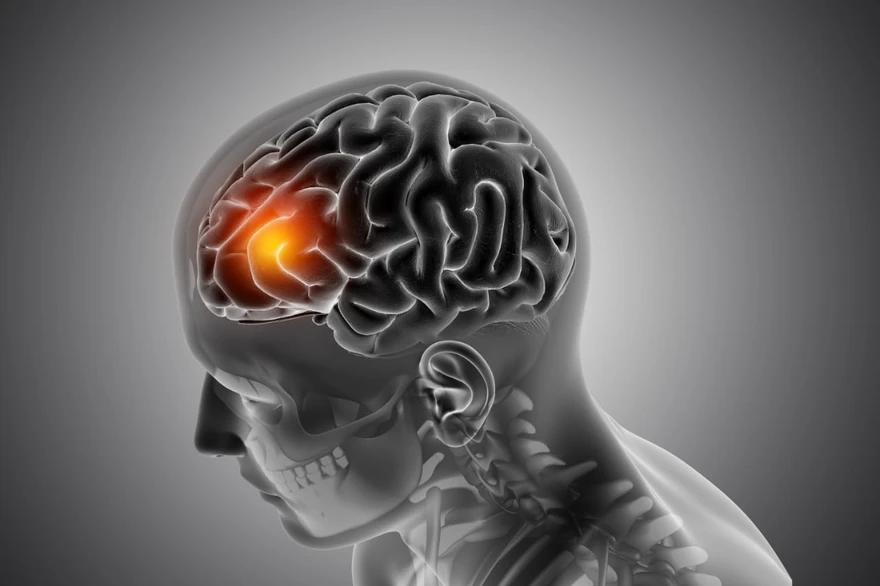
Understanding Brain Aneurysm: Symptoms Causes, and Treatment
What is a brain aneurysm? A brain aneurysm, sometimes referred to as a cerebral aneurysm, is a blister-like swelling in a weakened section of an artery in or around the brain. Because of this continuous pressure, blood flow pushes the weakened area outward, creating a bump. As blood flows into this bulge, the aneurysm stretches further, just like a balloon filled with air. Brain aneurysms can form anywhere in the brain, but are most commonly found in the major arteries at the base of the skull. Surprisingly, about 10% to 30% of the people who are diagnosed with a brain aneurysm have multiple aneurysms. However, most of the brain aneurysms are small and usually do not cause symptoms unless they are ruptured or applied pressure on nearby nerves or brain tissue. What happens when a brain aneurysm ruptures? When a brain aneurysm ruptures occurs, blood spills into the surrounding brain tissue, leading to an increased pressure and swelling in the brain. This scenario typically triggers severe headache, often described as thunderclap headache along with other symptoms. A ruptured brain aneurysm can cause severe health problems such as bleeding between the brain and the thin tissues covering it (subarachnoid hemorrhage), seizures, coma and even death. Unfortunately, about 25% of ruptured brain aneurysm cases result in death. Who do brain aneurysms affect? Brain aneurysms can occur in anyone at any age. However, they are most likely to affect individuals between 30 and 60 years of age. It is more common in women than men. How common are brain aneurysms? Brain aneurysms are relatively common in India, with an estimated prevalence of about 2-3% of the population. Although many brain aneurysms remains undiagnosed and asymptomatic, the risk of rupture can lead to serious health complications. Awareness and early detection are crucial for effective management of this condition. What are the symptoms of a brain aneurysm? Brain aneurysm symptoms can vary depending on whether it is ruptured or not. A ruptured aneurysm usually triggers symptoms such as: 'Thunderclap' Headaches Nausea and Vomiting Stiff Neck Blurred or Double Vision Sensitivity to Light (Photophobia) Seizures Drooping Eyelid and a Dilated Pupil Pain above and behind your eye Confusion Weakness and/or numbness Loss of Consciousness Symptoms of an unruptured brain aneurysm Most unruptured brain aneurysms don't cause symptoms. If they do, it is usually because of the swollen artery which is exerting pressure on the nearby nerves or brain tissue. These type of brain aneurysm symptoms can include: Headaches Vision Changes Enlarged (Dilated) Pupil Numbness or Tingling on your head or face Pain above and behind your eye Seizures If you experience these brain aneurysm symptoms, it is important to see a healthcare provider as soon as possible. What causes brain aneurysms? Brain aneurysms occurs when the walls of an artery in your brain become thin and weak due to several factors, including certain inherited conditions that affect arterial health and lifestyle habits such as smoking and excessive alcohol consumption. Uncontrolled high blood pressure is also a significant risk factor for brain aneurysm causes. What causes a brain aneurysm to rupture? The same factors that contribute to the development of a brain aneurysm can also cause one to rupture it. The most common brain aneurysm cause is believed to be high blood pressure, due to increased pressure against the walls of the vessels. How are brain aneurysms diagnosed? Diagnosing a brain aneurysm involves a combination of imaging techniques and clinical evaluation. Initially, a health care provider may perform a neurological exam to check for signs of a brain aneurysm, such as vision changes, speech difficulties, or motor weakness. If an aneurysm is suspected, the following diagnostic tests are commonly used: Computer Tomography (CT) Scan: CT Scan provide detailed images of the brain and can quickly identify bleeding caused by ruptured brain aneurysm. Sometimes CT Angiography (CTA), which involves injecting contrast dye into the bloodstream to see blood vessels more clearly. Magnetic resonance imaging (MRI): MRI provides high-resolution images of the brain structure that can detect aneurysms. Magnetic resonance angiography (MRA) can further highlight blood vessels and reveal the presence and size of an aneurysm. Cerebral Angiography: This is an invasive procedure in which a catheter is passed into the brain through an artery and a contrast dye is injected. It provides detailed images of blood vessels and is considered the gold standard for diagnosing brain aneurysms. Lumbar Puncture (Spinal Tap): If a ruptured brain aneurysm is suspected but is not visible on imaging, a lumbar puncture may be suggested to detect the presence of blood in the cerebrospinal fluid, indicating a subarachnoid hemorrhage. Early detection through these diagnostic methods is crucial for effective management and treatment, potentially preventing severe brain aneurysm complications. How are brain aneurysms treated? Brain aneurysm treatment involves surgical and non-surgical methods. Brain aneurysm surgeries include clipping, in which a clip is inserted to stop blood flow to the aneurysm, and endovascular coiling, in which coils are inserted to cause clotting. Non-surgical treatments involve managing risk factors, such as controlling blood pressure and quitting smoking. In cases of ruptured aneurysms, immediate medical intervention is required. The choice of treatment depends on the aneurysm size, location, and overall health. Early diagnosis and treatment are crucial to prevent complications. How can I reduce my risk of developing an Aneurysm? While you can't change some risk factors for brain aneurysm, such as age or genetic conditions, you can take some steps to reduce your risk of developing a brain aneurysm. These include maintaining healthy blood pressure levels through lifestyle changes and medications, quitting smoking, and avoiding excessive alcohol consumption. What is the outlook for a ruptured brain aneurysm? The prognosis of a ruptured brain aneurysm depends on a variety of factors, such as patient's age and overall health, the size and location of brain aneurysm and how quickly the condition is treated. Unfortunately approx. 25 % of people who experienced a brain aneurysm rupture die within24 hours. Of those who survive, about two-thirds suffer permanent brain damage. Can you live a long life with a brain aneurysm? Yes! If diagnosed early and with proper brain aneurysm treatment, one can indeed live a long life with a brain aneurysm. Conclusion Brain aneurysms are undoubtedly serious conditions that require a prompt medical intervention. However, understanding the causes and symptoms can help you act quickly if you suspect that you or a loved one one. Regular health checks can also be helpful in diagnosing unruptured brain aneurysms early. Here at Metropolis Healthcare, we provide reliable pathology testing and health check-up services that can help detect conditions like brain aneurysms at early stages. Our skilled technicians can perform at-home blood sample collection for convenience. Our commitment to accurate results coupled with our patient-centric approach ensures that prioritizing your health has never been easier.