Home Visit
 Upload






Preventive Healthcare
TSH Tests: What You Need to Know for Thyroid Health
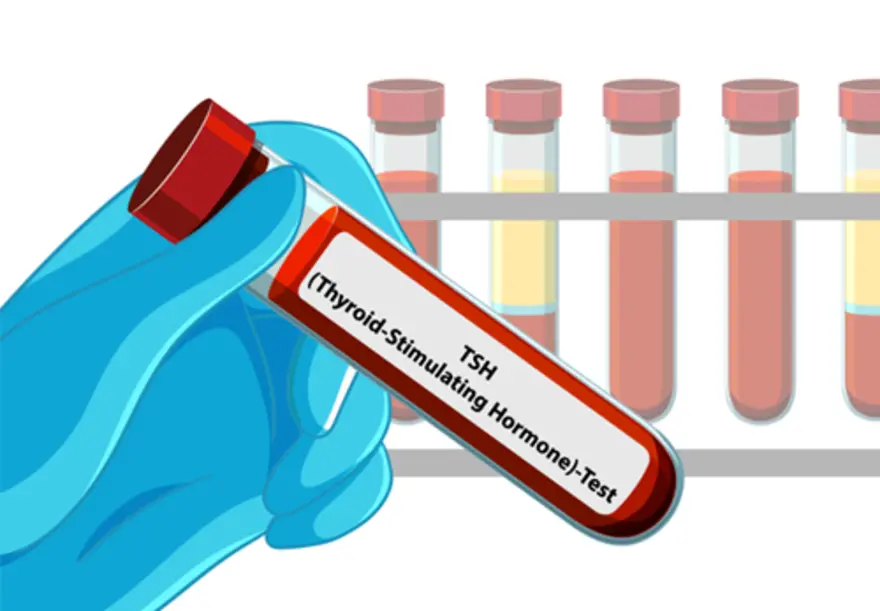
Table of Contents
- What is a TSH Test?
- Why is the TSH Test Done?
- How the TSH Test Works (Understanding Thyroid-Stimulating Hormone)
- Normal TSH Levels: What Your Results Mean
- Who Should Take a TSH Test?
- Signs You May Have Thyroid Dysfunction
- How to Prepare for a TSH Test
- TSH Test Procedure: Step-by-Step
- Risks or Side Effects of the TSH Test
- Factors That Affect TSH Test Accuracy
- TSH Test vs. Free T3 and Free T4 Tests
- Benefits of Regular TSH Monitoring
- Treatment Steps Based on TSH Test Results
- When to Consult a Doctor About Your TSH Test Results
- Conclusion
- FAQs
What is a TSH Test?
A TSH test measures the level of thyroid-stimulating hormone in your blood. This hormone is produced by your pituitary gland, a small gland located at the base of your brain. The Thyroid-stimulating hormone (TSH) acts as a messenger, signaling your thyroid gland to produce and release two main hormones: thyroxine (T4) and triiodothyronine (T3).
Think of the TSH test as a highly sensitive early warning system. It can detect thyroid problems before you even experience symptoms, making it an invaluable tool for maintaining your health. The TSH test’s purpose extends beyond basic screening—it’s also used to monitor treatment effectiveness and guide medication adjustments for those already managing thyroid conditions.
Why is the TSH Test Done?
The TSH test serves multiple important functions in healthcare. Doctors recommend this test for diagnosing both hypothyroidism and hyperthyroidism. Beyond clinical use, the Indian Thyroid Society recommends TSH testing for all pregnant women to ensure timely detection of thyroid issues that could affect maternal and fetal health.
Here’s why doctors advise this test:
- Screening for thyroid disorders when you have symptoms like fatigue, weight changes, or mood fluctuations
- Monitoring thyroid hormone replacement therapy to ensure optimal dosing
- Evaluating unexplained symptoms that might indicate thyroid dysfunction
- Checking thyroid function during pregnancy when hormone needs change
- Routine screening for people with risk factors or family history of thyroid disease
How the TSH Test Works (Understanding Thyroid-Stimulating Hormone)
Understanding how the thyroid-stimulating hormone works helps explain why the TSH test is so effective. Your body operates on a sophisticated feedback system. When your thyroid hormone levels drop, your pituitary gland releases more TSH to stimulate thyroid hormone production. Conversely, when thyroid hormone levels are high, TSH production decreases.
This delicate balance means that even small changes in thyroid function cause noticeable changes in TSH levels. That's why the TSH test can detect thyroid problems early, often before other thyroid hormone tests show abnormalities.
Normal TSH Levels: What Your Results Mean
Understanding your TSH test result requires knowing the normal ranges and what deviations might indicate:
|
TSH Level (mIU/L) |
Interpretation |
|
0.4–4.5 |
Normal range |
|
Below 0.54 |
Low (possible hyperthyroidism) |
|
Above 5.3 |
High (possible hypothyroidism) |
- Normal TSH test normal range: Your thyroid is likely functioning properly
- High TSH: Suggests your thyroid isn't producing enough hormones (hypothyroidism)
- Low TSH: May indicate an overactive thyroid (hyperthyroidism)
High TSH Levels: Possible Causes
- Primary hypothyroidism (the most common cause)
- Hashimoto's thyroiditis (autoimmune condition)
- Iodine deficiency
- Certain medications like lithium or amiodarone
- Previous thyroid surgery or radiation therapy
- Pituitary disorders (rare)
Low TSH Levels: Possible Causes
- Hyperthyroidism (overactive thyroid)
- Graves' disease (autoimmune hyperthyroidism)
- Thyroid nodules producing excess hormones
- Thyroiditis (thyroid inflammation)
- Certain medications can affect thyroid function
- Pituitary gland problems (uncommon)
Who Should Take a TSH Test?
- People experiencing symptoms like unexplained fatigue, weight changes, or mood swings
- Women over 60 who have higher thyroid disease risk
- Pregnant women or those planning pregnancy
- Individuals with a family history of thyroid disorders
- People with autoimmune conditions like diabetes or rheumatoid arthritis
- Those taking medications that might affect thyroid function
Signs You May Have Thyroid Dysfunction
- Unexplained weight gain or loss despite normal eating habits
- Persistent fatigue that doesn't improve with rest
- Sensitivity to cold or heat more than usual
- Changes in heart rate (too fast or too slow)
- Hair loss or thinning without another clear cause
- Mood changes, including depression or anxiety
- Irregular menstrual periods in women
- Muscle weakness or joint pain
How to Prepare for a TSH Test
- No fasting required for most TSH tests
- Continue regular medications unless your doctor advises otherwise
- Inform your healthcare provider about all medications and supplements
- Schedule morning appointments when possible, as TSH levels are typically highest then
- Avoid strenuous exercise immediately before the test
TSH Test Procedure: Step-by-Step
The TSH test procedure is straightforward and typically takes just a few minutes:
- Arm preparation with cleaning of the blood draw site
- Tourniquet application to make the veins more visible
- Needle insertion into a vein, usually in your arm
- Blood collection into a specialised tube
- Needle removal and application of pressure to stop bleeding
- Sample labeling and preparation for laboratory analysis
Risks or Side Effects of the TSH Test
- Slight pain or bruising at the needle insertion site
- Temporary dizziness (rare)
- Minor bleeding that stops quickly with pressure
- Very small risk of infection at the puncture site
Factors That Affect TSH Test Accuracy
- Time of day (TSH levels naturally fluctuate)
- Recent illness or severe stress can temporarily alter levels
- Certain medications, including steroids and heart medications
- Pregnancy affects normal TSH ranges
- Recent thyroid hormone intake, if you're already on treatment
- Laboratory variations in testing methods
TSH Test vs. Free T3 and Free T4 Tests
|
Test |
What It Measures |
Primary Use |
|
TSH |
Thyroid-stimulating hormone |
First-line screening |
|
Free T4 |
Available thyroxine |
Confirming thyroid dysfunction |
|
Free T3 |
Available triiodothyronine |
Assessing active thyroid hormone |
Benefits of Regular TSH Monitoring
Regular TSH testing offers several advantages:
- Early detection of thyroid problems before symptoms develop
- Treatment optimization for those already on thyroid medication
- Prevention of complications like heart disease or fertility issues
- Peace of mind through proactive health monitoring
- Better quality of life through timely intervention
Treatment Steps Based on TSH Test Results
Your treatment path depends on your specific TSH test result:
- High TSH (Hypothyroidism):
- Start thyroid hormone replacement therapy
- Regular monitoring with repeat TSH tests
- Dosage adjustments based on response and symptoms
- Low TSH (Hyperthyroidism):
- Additional testing to confirm the diagnosis
- Treatment options including medication, radioactive iodine, or surgery
- Ongoing monitoring of thyroid function
When to Consult a Doctor About Your TSH Test Results
- When your TSH levels fall outside the normal range
- When you experience persistent symptoms despite normal results
- When you're pregnant and have abnormal TSH levels
- If you have a family history of thyroid disease
- When your symptoms worsen or don't improve with treatment
Conclusion
The TSH test provides valuable insights into your body's functioning, helping you and your healthcare provider make informed decisions about your well-being. Whether you're experiencing symptoms or simply want to stay proactive about your health, this simple blood test offers powerful information for maintaining optimal thyroid function.
As India’s trusted diagnostics brand, Metropolis Healthcare offers NABL and CAP-accredited labs across 28 states and 7 union territories in India. With expert pathologists, reliable reports, and convenient options like home sample collection and online access to results, Metropolis makes TSH testing simple, accessible, and trustworthy.
FAQs
What does a TSH test show?
A TSH test reveals how well your thyroid gland is functioning by measuring the hormone that controls thyroid activity. It's the most reliable initial test for detecting both hypothyroidism and hyperthyroidism, helping doctors understand whether your thyroid is producing too much, too little, or the right amount of hormones.
Is the TSH test done fasting or non-fasting?
The TSH test typically doesn't require fasting, making it convenient for most people. However, some laboratories may recommend fasting if other tests are being done simultaneously. Always follow your healthcare provider's specific instructions, as they know your individual situation best.
What is the normal TSH level for adults?
The normal TSH test normal range for adults is typically 0.54-5.3 mIU/L. Your healthcare provider will interpret your results based on your symptoms and medical history.
What happens if TSH is high?
High TSH levels usually indicate hypothyroidism, meaning your thyroid isn't producing enough hormones. This triggers your pituitary gland to release more thyroid-stimulating hormone to stimulate thyroid function. Treatment typically involves thyroid hormone replacement therapy with regular monitoring.
What causes low TSH levels?
Low TSH levels often suggest hyperthyroidism, where your thyroid produces too much hormone, causing your pituitary gland to reduce TSH production. Common causes include Graves' disease, thyroid nodules, or thyroiditis. Sometimes, certain medications or pituitary disorders can also cause low TSH.
How often should you take a TSH test?
Testing frequency depends on your individual situation. People with normal thyroid function might need testing every few years, while those on thyroid medication typically require monitoring every 6-12 months. Your doctor will recommend the appropriate schedule based on your health status.
Can medications affect TSH test results?
Yes, several medications can influence TSH levels, including biotin supplements, corticosteroids, heart medications, and thyroid medicines. Always inform your healthcare provider about all medications and supplements you're taking before your TSH test.
Can thyroid issues be managed naturally?
While lifestyle factors like stress management, adequate sleep, and proper nutrition support thyroid health, diagnosed thyroid disorders typically require medical treatment. Never stop prescribed thyroid medications without consulting your doctor, as this can lead to serious complications.
Why do symptoms persist even when TSH is normal?
Sometimes people experience thyroid-like symptoms despite normal TSH levels. This might indicate the need for additional testing (Free T3, Free T4), consideration of other conditions, or evaluation of factors like stress, sleep, or nutritional deficiencies that can mimic thyroid symptoms.
Does stress affect TSH levels?
Chronic stress can influence thyroid function and potentially affect TSH levels. Severe physical or emotional stress may temporarily alter your results, which is why your doctor considers your overall health context when interpreting TSH test results.