Home Visit
 Upload






Preventive Healthcare
What is Lipid Profile Test?
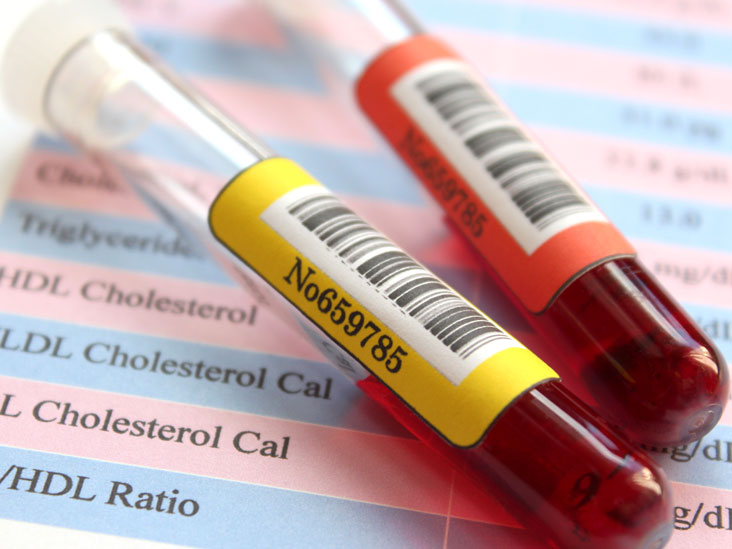
Table of Contents
- What is a Lipid Profile Test?
- What are the five tests in a lipid profile?
- Why is the Lipid Profile Test Performed?
- Who Needs to Have a Lipid Profile Test?
- How is a Lipid Profile Test Performed?
- What should we expect during a lipid profile test?
- What should we expect after a lipid profile test?
- How Much Does the Lipid Profile Test Cost?
- Is There Any Special Preparation Required for the Lipid Profile Test?
- How to Interpret the Results of the Lipid Profile Test?
- Should we be concerned if we have abnormal lipid panel results?
- What is the Next Step if You Have an Abnormal Lipid Profile Test?
- Conclusion
- FAQs
Lipids are the fatty acids and their derivatives that are present in our bodies. Not all lipids are bad; in fact, lipids play a pivotal role in the functioning of the body as they are a part of the cell membranes and hormones, provide cushioning, and are a storehouse of energy. High levels of certain kinds of lipids, however, are harmful, especially to cardiovascular health. The lipid profile test measures the different types of lipids in our bodies. Read on to know more about the lipid profile test, its significance, preparation, and results.
What is a Lipid Profile Test?
A lipid profile test is a blood test that measures different types of lipids in the blood. The lipid profile test is also known by the names of a lipid panel, lipid test, cholesterol test, etc. It measures the levels of four different types of cholesterol and triglycerides.
- LDL (low-density lipoproteins): LDL is the cholesterol that is considered "bad cholesterol" because it forms plaques in the arteries and adversely affects heart health. Thus, LDL cholesterol should be maintained in the lower range.
- VLDL (very low-density lipoproteins): VLDL appears in the blood soon after we have consumed food. A lipid profile is done as a fasting test, and thus, if there is an increased level of VLDL in the blood sample, it can be suggestive of some metabolic disease.
- HDL (high-density lipoproteins): HDL cholesterol is also known as "good cholesterol" because it helps clear away the bad LDL cholesterol and prevents its build-up.
- Total cholesterol: It is the sum of all the different types of cholesterol in your body, i.e., LDL + VLDL + HDL.
- Triglycerides: Our body converts the excess calories into triglycerides and stores it as body fat. High levels of triglycerides are harmful to the heart, liver, and pancreas.
What are the five tests in a lipid profile?
A lipid profile test measures the levels of different types of fats (lipids) in your blood. The five components typically included in a lipid profile test list are:
- Total cholesterol: The overall amount of cholesterol in your blood
- Low-density lipoprotein (LDL) cholesterol: Known as "bad" cholesterol, high levels can increase your risk of heart disease
- High-density lipoprotein (HDL) cholesterol: Known as "good" cholesterol, it helps remove LDL from your bloodstream
- Triglycerides: A type of fat that can contribute to hardening of the arteries when levels are high
- Very low-density lipoprotein (VLDL) cholesterol: Carries triglycerides in the blood and is considered another type of "bad" cholesterol
Some lipid profile test reports may also include the cholesterol-to-HDL ratio, which can be an indicator of heart disease risk.
Why is the Lipid Profile Test Performed?
A lipid profile test is performed to find out about your cardiovascular risk factors. Elevated cholesterol levels can indicate that you might be at a higher risk of suffering from heart issues such as atherosclerosis, hypertension, heart attack (myocardial infarction), or stroke.
High cholesterol levels do not cause any visible symptoms. Thus, physicians use the lipid profile test to screen and monitor the lipid levels in the blood and detect elevated levels early on before they adversely affect cardiovascular health. The lipid panel is also used as a tool to:
- Diagnose other conditions such as fatty liver or pancreatitis.
- Monitor the effectiveness of cholesterol-lowering medications if you are already on treatment for high cholesterol.
- Monitor the progression of hyperlipidemia if you had abnormal lipid profile tests previously.
Who Needs to Have a Lipid Profile Test?
You should have a lipid profile test if:
- You are a male over the age of 45 or a female over the age of 50.
- You are a smoker.
- You are obese.
- You have hypertension or diabetes.
- You have an immediate family member with a history of heart disease at a young age (below 55 years for males and below 65 years for females).
Children can also have high cholesterol levels due to genetics or being overweight. Guidelines suggest that males in the age range of 45–65 years and women in the age range of 55–65 years should have a lipid panel test every 1–2 years and every year after the age of 65.
How is a Lipid Profile Test Performed?
A lipid profile test is a blood test. To perform this test, a lab technician ties an elastic band on the upper arm and you are asked to make a fist. This ensures greater blood flow into the veins. The skin around the vein on the arm is cleaned to prevent any infection, and the needle is inserted into the vein. Blood is then drawn using a syringe, and the sample collected is sent to the laboratory for analysis. It usually takes 1-2 days for the test results to come.
What should we expect during a lipid profile test?
A lipid profile test involves a simple blood draw, usually from a vein in your arm. Here's what you can expect:
- You may be asked to fast for 9-12 hours before the test to ensure accurate results, especially for triglyceride levels. However, some labs now allow non-fasting samples depending on guidelines.
- The procedure is quick, typically taking just a few minutes.
- The phlebotomist will clean the skin, insert a needle, and collect a blood sample in a tube.
- After the draw, pressure will be applied to the puncture site to minimise bruising.
What should we expect after a lipid profile test?
After your lipid profile test, here's what happens next:
- You may have some soreness or bruising at the blood draw site, which should resolve quickly.
- There are no restrictions on your diet or activities post-test. You can resume your normal routine.
- Your blood sample is sent to a laboratory for analysis. The lab measures the levels of total cholesterol, LDL, HDL, triglycerides, and VLDL in your blood.
- Lipid profile test results are typically available within 1-3 days, depending on the lab.
- Your healthcare provider will review the results with you and discuss any necessary lifestyle changes or treatments based on your lipid profile test report.
How Much Does the Lipid Profile Test Cost?
The lipid profile test price is only Rs. 800 at Metropolis Healthcare, which is a pathology specialist in India.
Is There Any Special Preparation Required for the Lipid Profile Test?
Yes, fasting of 10–12 hours is required before the lipid profile test. The results are accurate if this test is performed on an empty stomach. Thus, it is generally done in the morning after overnight fasting. Water is allowed during the fasting period, but no tea or coffee.
How to Interpret the Results of the Lipid Profile Test?
The lipid levels are measured in milligrams per deciliter of blood. The normal values for different types of lipids are as follows:
- Total Cholesterol: Less than 200 mg/dL.
- HDL (high-density lipoproteins) cholesterol: More than 60 mg/dL.
- LDL (low-density lipoproteins) cholesterol: Less than 100 mg/dL; less than 70 mg/dL for people with diabetes.
- Triglycerides: Less than 150 mg/dL.
The values of different lipids determine if you are at a low, borderline, intermediate, or high risk of developing cardiovascular issues. Usually, higher than normal LDL cholesterol, total cholesterol, triglycerides, and low HDL cholesterol levels indicate increased risk.
Should we be concerned if we have abnormal lipid panel results?
Yes, abnormal lipid panel results should be taken seriously, as they may indicate an increased risk of heart disease and other health concerns. If your lipid profile test report shows results outside the lipid profile test normal range, it’s essential to consult your doctor promptly.
While one abnormal reading may not immediately lead to serious problems, consistently high or low levels should not be ignored. Key reasons to be concerned about abnormal lipid panel results include:
- Increased risk of cardiovascular diseases and stroke
- Possibility of cholesterol buildup in arteries
- Potential need for lifestyle changes or medical intervention
- Silent progression of health risks without noticeable symptoms
- Importance of regular follow-ups to track improvements or further changes
Paying attention to abnormal results and taking early steps can significantly improve long-term health outcomes.
What is the Next Step if You Have an Abnormal Lipid Profile Test?
An abnormal lipid profile test, i.e. elevated LDL, total cholesterol, triglycerides, and/or low HDL levels, does not always mean that you require treatment for it. The values considered abnormal depend on several other factors. Your physician will look at your lipid levels and decide if it warrants treatment after taking into consideration your age, family history, medical history, the medications you are on currently, etc.
You can bring your lipid levels down by making some healthy lifestyle modifications such as dietary changes, exercising regularly, and losing weight (if overweight). If your physician deems it appropriate, he will prescribe you some cholesterol-lowering medications to help decrease cholesterol levels and reduce the risk of cardiovascular diseases.
Your healthcare provider may suggest repeating lipid profile tests at regular intervals for monitoring purposes.
Conclusion
It can be stressful to receive any abnormal test results. However, abnormal lipid profile results are not always concerning. Your cardiovascular risk is determined by several other factors apart from cholesterol levels. Your physician is the best judge to decide if you need treatment for your lipid levels.
FAQs
Is fasting necessary for a lipid profile test?
Traditionally, fasting for 9-12 hours before a lipid profile test was required for accurate results, especially for triglyceride levels. However, recent guidelines suggest that for many people, particularly those without significant heart disease risk, fasting may not be necessary. Non-fasting lipid profiles are increasingly accepted in clinical practice.
When can I expect my lipid panel results?
Lipid profile test reports are usually available within 1-3 days after your blood draw. This can vary depending on the laboratory and healthcare setting.
How often should you get a lipid profile test?
The frequency of lipid profile testing depends on your age, risk factors, and heart health. For healthy adults with no known risks, screening every 4-6 years is common. Those with cardiovascular risk factors or established heart disease may need more frequent testing, such as annually or as recommended by their doctor.
What are the ways to maintain healthy lipid levels?
Lifestyle habits play a crucial role in managing your lipid profile. Some key strategies include eating a balanced diet low in saturated and trans fats, engaging in regular physical activity, maintaining a healthy weight, avoiding tobacco use, and managing conditions like diabetes or high blood pressure.
How is the lipid profile test done?
The lipid profile test requires a blood sample, which a trained phlebotomist usually draws from a vein in your arm. The blood sample is then sent to a lab for analysis. The whole process typically takes just a few minutes and is generally well tolerated with minimal discomfort.
What happens if my lipid profile is high?
If your lipid profile test report shows high total cholesterol, LDL, triglycerides, or low HDL, your doctor will work with you to develop a management plan. This may include lifestyle changes and medications.
Can exercise affect lipid profile test results?
Yes, regular physical activity can have a positive impact on your lipid profile. Exercise can increase HDL (good) cholesterol levels, lower LDL (bad) cholesterol and triglycerides, and improve weight management, which also benefits cholesterol levels.
Can medications affect lipid profile test results?
Certain medications can influence your lipid profile test reports. Some common examples include hormonal birth control pills, which may increase total cholesterol, LDL, and triglycerides; corticosteroids, which can raise total cholesterol and triglycerides; beta-blockers, which may slightly increase triglycerides and decrease HDL; and diuretics, which may modestly increase LDL and triglycerides.
How is bad cholesterol different from good cholesterol?
"Bad" cholesterol refers to LDL, which can build up in your arteries and form plaques that narrow and harden the blood vessels. This increases your risk for heart attack and stroke.
In contrast, "good" HDL cholesterol helps remove LDL from the bloodstream, transporting it to the liver for elimination. Higher HDL levels are protective against heart disease.
How can I lower my cholesterol levels?
To lower cholesterol levels, follow a heart-healthy diet rich in fruits, vegetables, whole grains, lean proteins, and healthy fats while avoiding saturated fats, trans fats, and excess sugars. Regular exercise, weight management, and quitting smoking are essential. If needed, take cholesterol-lowering medications as prescribed by your healthcare provider.