What Is A Full Body Checkup?
A full body checkup is a preventive health assessment that uses a combination of blood and urine tests to evaluate how well your major organs and systems are working. It is not a single test but a curated panel of profiles, each looking at a specific area of your health.
In a typical checkup, you will find tests that cover your complete blood count, liver function, kidney function, lipid profile, thyroid hormones, blood sugar, urine routine and a few additional markers depending on the package you choose. Some packages also include vitamin levels, iron studies, cardiac risk markers and cancer screening parameters.
It helps your doctor identify hidden conditions such as anaemia, diabetes, high cholesterol, fatty liver, thyroid imbalance and early kidney dysfunction, often before you notice any symptoms. A full body checkup is a screening tool, not a diagnostic one. It tells you and your doctor where to look more closely if any value is outside the normal range and reassures you when everything looks well.
Why Are Full Body Checkups Essential for Preventive Health?
Many lifestyle-related conditions develop quietly. High blood sugar, raised cholesterol, an underactive thyroid or early kidney strain rarely cause obvious symptoms at first. By the time you feel unwell, the underlying issue may already need long-term management.
- Early detection of diseases: By identifying health issues in their initial stages, before symptoms become apparent, full-body checkups enable timely intervention and treatment.
- Prevention and prompt treatment: Detecting risk factors and early signs of disease allows proactive measures to prevent the onset or progression of chronic conditions, reducing the risk of severe complications.
- Monitoring of existing illnesses: For individuals with known health conditions, regular full-body checkups help track disease progression, monitor response to treatment, and make necessary adjustments to treatment plans.
- Increased health awareness: Undergoing a comprehensive health check-up raises awareness about personal health risks, empowering individuals to make informed lifestyle choices and adopt healthier habits.
- Cost-effective in the long run: By addressing health issues early on, full-body checkups can prevent the need for costly treatments and hospitalisations associated with advanced-stage diseases.
Who Should Consider a Full Body Checkup?
A full body checkup is useful for almost every adult, but it becomes particularly important if any of the following apply to you.
- Adults aged 30 and above, even if you feel completely well
- Anyone with a family history of diabetes, hypertension, heart disease, thyroid disorders or cancer
- People with sedentary work, irregular sleep, high stress levels or frequent eating out
- Smokers and those who consume alcohol regularly
- Individuals who are overweight or have noticed unexplained weight changes
- Women planning pregnancy or going through menopause
- Senior citizens who benefit from yearly monitoring of vital organs
- People already managing diabetes, blood pressure, thyroid or cholesterol issues
- Anyone recovering from a major illness or starting long-term medication
If you fall into more than one of these groups, a yearly checkup is a sensible starting point. Your doctor may suggest a more frequent schedule based on your reports.
Key Components of Full Body Checkup
A well-designed full body checkup looks at several body systems together so the report tells one connected story about your health.
Blood Count and Haemoglobin
This section assesses your red blood cells, white blood cells, platelets and haemoglobin. It can flag anaemia, infections, inflammation and certain blood disorders.
Liver Function
Liver tests look at enzymes and proteins produced or processed by the liver. Together they show how well the liver is detoxifying, producing proteins and handling bilirubin.
Kidney Function
Kidney function tests measure how efficiently your kidneys are filtering waste from your blood. They cover urea, creatinine, uric acid and electrolytes.
Metabolic and Blood Sugar
Fasting blood sugar and HbA1c assess your risk of diabetes and how your body is managing glucose over the past three months.
Lipid Profile and Cardiac Risk Markers
Cholesterol, triglycerides, HDL, LDL and additional cardiac markers help estimate your risk of heart disease and stroke.
Thyroid Function
TSH, T3 and T4 tests check whether your thyroid gland is producing the right amount of hormones to regulate metabolism, energy and weight.
Urine Routine and Microscopy
A simple urine test offers clues about kidney health, urinary tract infections, blood sugar control and hydration.
Vitamins and Minerals
Comprehensive packages also include vitamin D, vitamin B12, calcium and iron studies, which support bone health, energy levels and immunity.
Each profile is meaningful on its own. Read together, they help your doctor see patterns, such as a borderline sugar reading that lines up with rising cholesterol and a sluggish thyroid, all of which may need a single coordinated plan.
Some packages also include resting ECG, blood pressure measurement, BMI assessment, and consultation with a doctor or pathologist.
Common Tests part of the Full Body Checkup
While the exact list depends on your chosen package, most Metropolis Healthcare full body checkups include the following core tests.
Higher tier packages may add hormone profiles, allergy panels, cardiac markers and cancer screening tests. You can review the complete parameter list on the individual package page before booking.
If you have a specific concern, you can speak to our team about adding extra tests or choosing a package that already includes them.
What to Avoid Before the Test
Following a few simple rules in the 24 hours before your sample collection helps your reports stay accurate.
- Avoid heavy, oily or fried meals the night before
- Do not consume alcohol for at least 24 hours before the test
- Avoid smoking on the morning of your sample collection
- Skip strenuous workouts, gym sessions or long runs the day before
- Do not consume tea, coffee, juice or sugary drinks during the fasting window
- Avoid biotin and vitamin supplements for at least 24 hours, as they can interfere with thyroid and hormone tests
- Do not take new over-the-counter medication without speaking to your doctor first
- Avoid undergoing imaging tests with contrast dye in the 48 hours before your sample
If you are unsure about any food, drink or medicine, ask our team when you book your appointment. If you are diabetic and on insulin or sugar lowering medication, please check with your doctor about the safest way to fast.
Full Body Checkup Preparations
Preparing for your checkup is straightforward. Use the points below as a simple checklist before your appointment.
- Fast for 8 to 12 hours before sample collection if your package includes fasting tests
- Drink plain water freely during the fasting period to stay hydrated
- Wear loose, comfortable clothing with sleeves that roll up easily
- Continue your regular prescription medication unless your doctor advises otherwise
- Inform the phlebotomist or lab staff about any medication, supplement or recent illness
- Try to schedule sample collection in the early morning, especially for thyroid and fasting sugar tests
- Get a good night's sleep before the test, as fatigue can subtly affect some readings
- Avoid heavy exercise or stress on the morning of the test
If you are pregnant, recently vaccinated or recovering from an infection, share this information with your doctor so they can interpret your results in context.
If you are unsure about any preparation step, you can call our customer care or check the package details on our website or app before your appointment.
Things To Do After Receiving Reports For A Full Body Checkup
Your reports are most useful when they lead to clear next steps. Once you receive your full body checkup report, follow these steps.
- Read the SMART report summary, which highlights any values outside the normal range
- Note down any flagged parameters and the related health categories
- Book a consultation with your doctor to discuss the findings, even if everything looks normal
- Carry your previous reports for comparison, so trends are easier to spot
- Ask your doctor whether any follow-up tests, scans or specialist referrals are needed
- Discuss lifestyle changes related to diet, exercise, sleep and stress
- Ask about screening frequency for any borderline values
- Save the report securely in the Metropolis Healthcare App or your email folder for future reference
A normal report is good news, not a reason to skip your next yearly checkup. A few abnormal values are also not a cause for panic. They are useful signals that help your doctor guide you towards better long-term health.
From Booking to Reports: Your Full Body Checkup with Metropolis Healthcare
Booking a full body checkup with Metropolis Healthcare is quick and straightforward.
- Simple Online Booking: Visit the Metropolis Healthcare website or open the Metropolis Healthcare App, select the full body checkup package that suits you, choose a convenient date and time slot and enter your address for home collection or your nearest collection centre.
- Safe Home Sample Collection: Our trained phlebotomists arrive at your home with sterile, single-use equipment. They follow strict hygiene protocols and complete the collection in a few minutes. You can also walk in to your nearest Metropolis lab if you prefer.
- Sample Tracking Updates: You receive real-time updates on your sample's journey from collection to processing through SMS, WhatsApp and the Metropolis Healthcare App.
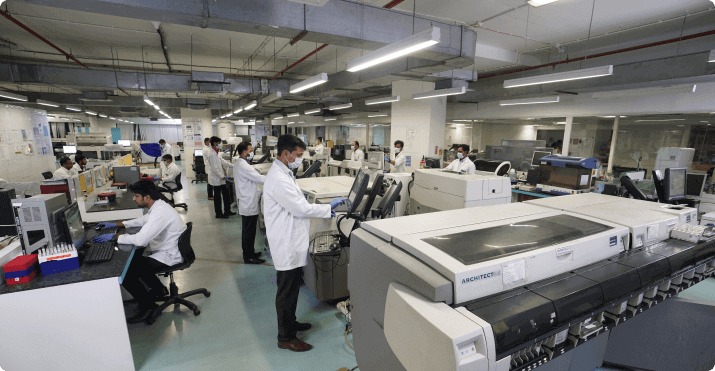
- Accurate Laboratory Testing: Samples are tested at NABL and CAP accredited regional laboratories in cities like Mumbai, Pune, Chennai, Bangalore and Delhi, under the supervision of senior pathologists.
- Quick & Easy Reports: SMART reports are usually delivered within 24 hours via email, WhatsApp, the Metropolis Healthcare App and our website portal. Physical copies are available on request.
You can also call our customer care team or message us on WhatsApp to book your checkup with help from a representative.
Home Sample Collection
Metropolis Healthcare offers home sample collection across most major Indian cities, with more than 10,000 collection touchpoints in India, so a trained phlebotomist can come to your home or office.
If you prefer walking in, our wide network of laboratories and collection centres makes it easy to find one near you. Early morning slots are available for fasting tests, so you can complete your sample and head straight to breakfast or work.
Each sample is collected using sterile, single-use equipment, labelled at the point of collection and tracked through our digital system until it reaches the laboratory. This minimises errors and keeps your sample secure throughout its journey.
 Home Visit
 Upload