Home Visit
 Upload





iron deficiency anemia
Iron Deficiency Anemia: Causes, Symptoms and Diagnosis
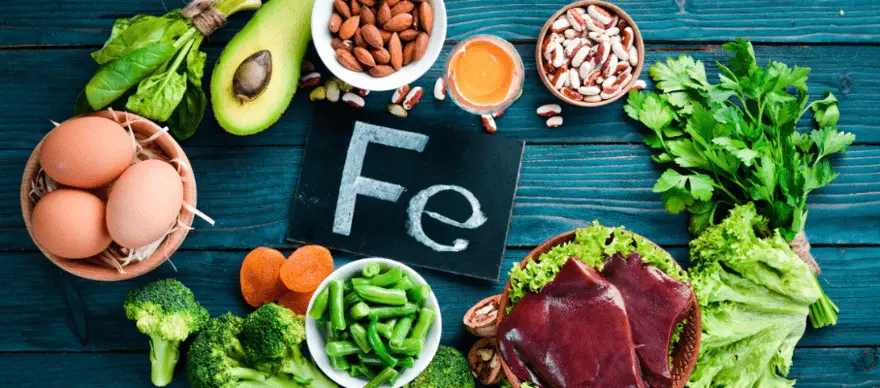
Iron is an essential nutrient for the body's general growth and development. In addition, it serves vital activities like oxygen transport, DNA synthesis, and muscle metabolism. Iron is essential when your body is growing, transforming, or changing. Lack of iron in the diet and increased demand in the body are common causes of iron deficiency in pregnancy and pediatrics. Iron deficiency can result in anemia, which lowers your hemoglobin levels. According to WHO figures, anemia affects 33% of non-pregnant women, 40% of pregnant women, and 42% of children globally. A lack of iron does not pose a threat to life. However, it might cause serious health issues. For instance, it results in dyspnea and exhaustion. The good news is that an iron-rich diet and supplementation can effectively prevent an iron deficiency. Causes of Iron Deficiency Anemia As its name suggests, iron deficiency anemia is caused by a lack of iron, blood flow, and a lack of iron-rich foods in the diet. Below are common causes of iron deficiency anemia. Increased Iron Demand The body's need for iron changes during the different phases of a person's life. For example, the years between childhood and adolescence are vital for growth. As a result, you must ensure you're getting enough iron-rich meals. Additionally, the need for iron rises during pregnancy; this is the prime cause of iron deficiency anemia in pregnancy. Low Absorption Of Iron Several conditions and surgical procedures may hinder iron absorption. For example, Crohn's disease and celiac disease are common causes of iron deficiency anemia. In addition, gastric bypass patients may not be able to absorb iron. These issues might prevent the gut from absorbing iron. Blood Loss Blood loss is among the common causes of iron deficiency anemia in adults. For instance, it could be brought on by blood loss from an injury, menstruation, etc. According to studies, conditions including gastric ulcer, hernia, and colorectal cancer can cause internal bleeding. In addition, heavy periods of women may be more likely to develop anemia. Diet The most common cause of iron deficiency anemia in children and adults is diet. A variety of nutritional factors affect how well iron is absorbed. Non-heme iron, which is of low quality, is present in vegetarian and vegan meals. Heme iron is present in non-vegetarian sources, in contrast. The rate of absorption is higher for heme iron. Vitamin C It is a necessary nutrient for the absorption of iron. Therefore, foods high in vitamin C may transform iron into a readily absorbable form. As a result, a deficiency in foods high in vitamin C is a common cause of iron deficiency anemia in adults. Phytates Some antinutrients interfere with non-heme iron absorption. For example, soybeans, black beans, lentils, split beans, mung beans, unrefined rice, cereals, and mung beans all contain phytates, which are antinutrients. When combined with iron-rich foods, they reduce your iron absorption. Calcium Although the exact mechanism is still unclear, experts think calcium prevents both heme and non-heme iron from being absorbed. Excess calcium causes iron deficiency anemia in pediatrics. Children who consume an excess of cow milk lack iron and have excess calcium, contributing to iron deficiency anemia. Symptoms of Iron Deficiency Anemia Depending on the severity, iron deficiency symptoms can vary. The list of iron deficiency symptoms is provided below. Fatigue Shortness of Breath Irregular Heartbeat/Palpitations Compromised Immune Health Pale Skin Hairfall Sore Mouth Headaches Spoon-Shaped Nails Diagnosis of Iron Deficiency Anemia Anemia can be easily detected through a complete blood count (CBC) with peripheral smear. Through this test it is possible to identify type of anemia and it may further give a clue to do further supplemental tests like i.e., serum iron studies, vitamin levels and identification of abnormal hemoglobinopathy for arriving at the correct diagnosis for the patient. Prevention of Iron Deficiency Anemia Good eating habits can help you avoid iron deficiency. Iron levels in the body may rise with the consumption of iron-rich meals. Here’s some simple dietary advice that can enable you to prevent iron deficiency anemia. Meat Iron content is exceptionally high in poultry and fish. Salmon and tuna are two more types of meat that are high in iron. To combat an iron shortage, incorporate one of these into your diet two or three times per week. Meat sources have a higher absorption rate of iron than plant sources. Eggs Iron, protein, and vitamins are all found in abundance in eggs. For example, about 9.7% of iron is present in every 100 grams of egg. Legumes Lentils are an excellent source of iron for vegetarians. Lentils provide abundant iron; eat it in salad or dal. Fruits and nuts Dry fruits like apricots are a rich source of iron. Iron can also be found in nuts, seeds, beans, tofu, and iron-fortified cereals. Vitamin C Iron absorption requires vitamin C. Vegetarian sources are rich in non-heme iron. They can eat it. Citrus fruits, bell peppers, and broccoli are food sources of vitamin C. Hydration Did you know drinking water is a reliable method of preventing human iron deficiency anemia? Researchers say drinking water locally enriched with iron compounds should be considered and used as a globally accessible means of controlling iron-deficiency anemia. Leafy Greens Leafy greens, such as spinach and kale, are a rich source of folate, which is necessary to avoid anemia. Additionally, leafy vegetables may further improve general wellness. Avoid Antinutrients Antinutrients can impede the absorption of iron. As a result, you should refrain from pairing meals high in iron with antinutrients like tea, coffee, and dairy products. These foods have antinutrients such as tannins, oxalic acids, and phytic acids that bind to iron and stop it from being absorbed. Don't combine calcium and iron-rich foods It is well known that calcium and iron vie for the same receptors. Therefore, according to experts, calcium and iron-rich diets prevent the body from absorbing iron. Conclusion Although iron deficiency is common among people due to poor eating habits, it can also be brought on by non-dietary practices. Iron deficiency is the main contributor to anemia. Healthy eating practices are crucial as a result. Follow the simple food recommendations detailed in the article to prevent iron deficiency and have an overall healthy life. But always remember to get advice from a professional before adding iron supplements. If you experience any symptoms, get the Anemia Profile-Maxi Test for accurate diagnosis.
Ferritin Test: Purpose and Making Sense of Results
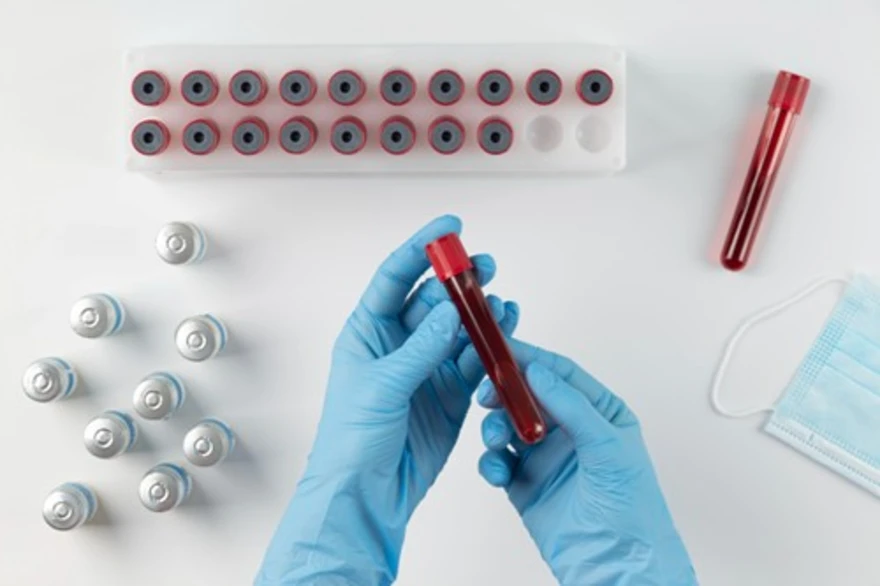
What Is the Ferritin Test? A ferritin test is a simple blood test that measures the amount of ferritin — a protein that stores iron — in your bloodstream. According to MedlinePlus, the ferritin blood test provides valuable insights into your body's iron storage capacity and overall iron status. Unlike direct iron measurements, the ferritin test evaluates the protein that stores iron in your cells, primarily in the liver, bone marrow, spleen, and muscle tissues. Doctors often order this test as part of a complete iron panel to assess iron deficiency or overload to diagnose conditions such as iron deficiency anaemia, iron overload disorders, and certain inflammatory diseases. What Does Ferritin Measure? The ferritin test measures the concentration of ferritin protein in your blood, which closely correlates with your total body iron stores. Ferritin acts as a storage container for iron, releasing it when needed to make red blood cells and support essential bodily functions. Low ferritin levels usually indicate depleted iron stores — often before anaemia develops. Conversely, high ferritin levels may suggest iron overload or underlying inflammatory conditions. This makes the ferritin test result particularly valuable for early detection of iron-related disorders. Why Is the Ferritin Test Done? (Purpose) • Diagnosing iron deficiency when symptoms like fatigue, weakness, or pale skin suggest low iron levels. • Evaluating iron overload conditions such as hereditary haemochromatosis or excessive iron accumulation. • Investigating unexplained symptoms, including persistent tiredness, dizziness, or breathing difficulties. • Assessing restless legs syndrome when iron deficiency might be contributing to the condition. • Monitoring chronic blood loss from heavy menstrual periods or gastrointestinal bleeding. • Evaluating chronic diseases that affect iron metabolism, including kidney disease and autoimmune conditions. • Tracking treatment response in patients receiving iron therapy or iron reduction treatments. • Investigating liver problems since the liver stores significant amounts of ferritin. Ferritin Test Normal Range Group Normal Range Adults 13–150 ng/mL (values may vary slightly between laboratories) Ferritin Levels by Age & Gender • Adult men generally have higher ferritin levels because they don’t experience monthly blood loss. • Adult women usually have lower levels due to menstrual periods. • Postmenopausal women often see gradual increases in ferritin levels as menstrual blood loss stops. • Infants and children start with high levels at birth, which decline during early childhood as growth demands increase. • Ferritin levels often decrease during pregnancy, particularly without adequate iron supplementation. • Older adults may have elevated levels due to chronic inflammation or reduced iron utilisation. Low Ferritin Levels: Causes & Symptoms Common causes of low ferritin include: • Inadequate dietary iron intake or poor iron absorption due to conditions like coeliac disease. • Chronic blood loss — such as from heavy menstrual periods, gastrointestinal bleeding, or frequent blood donation. • Increased iron demands during pregnancy, breastfeeding, or periods of rapid growth. • Restrictive diets that lack sufficient iron-rich foods, particularly poorly planned vegetarian diets. Symptoms of low ferritin may include: • Persistent fatigue and weakness that doesn't improve with rest • Shortness of breath during normal activities • Cold hands and feet, even in warm weather • Brittle or spoon-shaped nails • Unusual food cravings, particularly for ice or starch • Restless leg syndrome or difficulty sleeping • Pale skin, especially noticeable in the inner eyelids High Ferritin Levels: Causes & Symptoms Common causes of elevated ferritin include: • Hereditary haemochromatosis and other iron overload disorders cause the body to absorb too much iron. • Chronic liver diseases such as alcoholic liver disease, hepatitis, or cirrhosis. • Chronic inflammation or infection where ferritin rises as an inflammatory marker. • Autoimmune conditions, including rheumatoid arthritis and inflammatory bowel disease. • Certain cancers such as leukaemia, lymphoma, or breast cancer. • Frequent blood transfusions or excessive iron supplementation. Possible symptoms of high ferritin include: • Joint pain, particularly in hands and larger joints • Abdominal pain, especially over the liver area • Unexplained fatigue, weakness, or unintentional weight loss • Liver enlargement or abnormal liver function tests • Skin darkening, diabetes, or heart problems in advanced cases Symptoms That May Require a Ferritin Test • Persistent fatigue that doesn't improve with rest or sleep • Unexplained weakness affecting daily activities and work performance • Breathing difficulties during normal activities or mild exertion • Pale skin, nails, or inner eyelids suggesting possible anaemia • Heavy menstrual periods or other sources of chronic blood loss • Unusual food cravings for ice, starch, or non-food items • Restless legs syndrome or uncomfortable leg sensations • Family history of iron disorders or liver disease • Chronic diseases such as kidney disease or autoimmune disorders that affect iron metabolism How to Prepare for a Ferritin Test • No fasting required; you can eat and drink normally before the test. • Continue medications unless specifically instructed otherwise by your healthcare provider. • Inform your doctor about any iron supplements, multivitamins, or medications you're taking. • Mention recent illnesses, as infections can temporarily affect ferritin levels. • Wear comfortable clothing with sleeves that can be easily rolled up. Ferritin Test Procedure (Step-by-Step) The technician will clean your arm with an antiseptic solution. A tourniquet is placed around your upper arm to make the veins more visible. The technician identifies a suitable vein, usually in your elbow area. A small needle is inserted to collect the blood sample. Usually, 3 ml of blood is collected for the ferritin test. The tourniquet and needle are removed, and pressure is applied. A small bandage covers the puncture site. Your blood sample is sent to the laboratory for analysis. Ferritin Test Results: How to Interpret Them • Normal ranges vary by age, gender, and laboratory standards. • Low ferritin (below normal range) typically indicates iron deficiency or depletion. • High ferritin (above normal range) may suggest iron overload, inflammation, or liver problems. • Borderline results must be interpreted alongside other iron tests and your clinical symptoms. • Trending changes over time provide more information than single test results. • Individual variation means optimal levels may differ between people. • Clinical context, including symptoms and medical history, influences interpretation. Factors That Affect Ferritin Levels • Acute illness or infection: Can temporarily raise ferritin levels regardless of iron status. • Chronic inflammation: Conditions like arthritis may elevate ferritin. • Liver disease: Can significantly increase ferritin levels. • Recent blood transfusions: May temporarily alter results. • Iron supplements: Improve levels but may take months to show effect. • Menstrual cycle: Women may see slight variations throughout their cycle. • Alcohol consumption: Chronic alcohol use can affect liver ferritin storage. • Certain medications: Some medicines may influence iron metabolism. When to See a Doctor About Ferritin Levels • Persistent fatigue that doesn't improve with rest or lifestyle changes • Multiple symptoms of iron deficiency or overload occurring together • Family history of iron disorders, particularly haemochromatosis • Abnormal ferritin results requiring interpretation and follow-up testing • Chronic conditions that might affect iron metabolism • Dietary concerns about meeting iron requirements • Medication effects that might influence iron absorption or storage • Pregnancy planning when optimal iron stores are crucial Conclusion Understanding your ferritin test results empowers you to take control of your health and work effectively with your healthcare team. Whether you're dealing with iron deficiency or monitoring iron overload, regular ferritin testing provides valuable insights into your body's iron status. Early detection and appropriate management of iron disorders can significantly improve your energy levels, overall health, and quality of life. Remember that interpreting ferritin levels requires professional medical guidance, as individual factors and concurrent conditions can influence results. If you're experiencing symptoms of iron deficiency or have concerns about your iron levels, don't hesitate to discuss ferritin testing with your doctor. At Metropolis Healthcare, we understand the importance of accurate and reliable diagnostic testing to guide your health decisions. Our comprehensive portfolio of 4,000+ tests includes specialised iron panels, ferritin testing, and full body checkups, all processed in our network of 220+ advanced laboratories. With our convenient home sample collection service spanning 10,000+ touchpoints across India, you can access precise ferritin testing from the comfort of your home. Book your test with us, know the ferritin test cost and access results from the ease of your home. FAQs What is a normal ferritin level? • Normal ferritin levels vary by age and gender. • Normal ferritin range is 13-150 ng/mL, typically • Children tend to have lower ferritin ranges compared to adults. What causes low ferritin levels? • Inadequate dietary iron intake or poor absorption • Chronic blood loss from menstruation or bleeding • Increased iron demands during pregnancy or growth • Gastrointestinal conditions affecting iron absorption What causes high ferritin levels? • Iron overload disorders like haemochromatosis • Chronic liver disease or inflammation • Frequent blood transfusions or excessive supplementation • Certain cancers or inflammatory conditions Is low ferritin the same as iron deficiency? Low ferritin typically indicates iron deficiency, even before anaemia develops. However, inflammation can sometimes mask iron deficiency by keeping ferritin levels normal despite low iron stores. How can I increase my ferritin levels quickly? • Consume iron-rich foods like red meat, spinach, and lentils. • Take prescribed iron supplements as directed. • Combine iron with vitamin C for better absorption • Address underlying causes of iron loss Can ferritin levels be too high? Yes, elevated ferritin levels can indicate iron overload, liver disease, or chronic inflammation. High levels require medical evaluation to determine underlying causes and appropriate treatment approaches. Do I need to fast before a ferritin test? No, fasting isn't required for ferritin testing. You can eat normally before your blood draw, making this test convenient and accessible. How long does it take to improve ferritin levels? Ferritin levels typically improve over 2-3 months with appropriate iron supplementation and dietary changes, though individual response varies based on underlying causes. Can stress affect ferritin levels? Chronic stress can influence ferritin through inflammatory pathways, potentially elevating levels. However, stress alone doesn't typically cause significant ferritin changes in healthy individuals. What foods increase ferritin levels? • Red meat, poultry, and fish provide easily absorbed iron. • Dark leafy greens like spinach and kale • Legumes, fortified cereals, and dried fruits • Combining with vitamin C enhances absorption.