 Home Visit
 Upload







STD Profile Test - Basic Screening
Also known as: STD Screening Basic

No special precautions
Sample Type
Blood

Recommended for
Male, Female

Report
Within 10 Days

Blood test at Home

NABL & CAP Accredited Labs
Accurate & Quality Test Reports

Trusted by Leading Doctors & Hospitals
STD Screening Basic Details in Brief
| Also Known As | STD Screening Basic, STD Screening Test, Sexually Transmitted Diseases Profile, STI Screening Test |
|---|---|
| Purpose | To screen for common sexually transmitted infections, including HIV, syphilis, herpes and chlamydia |
| Preparation | Clinical history required |
| Fasting | Fasting not required |
| Reporting Time | 5th day |
| Cost | 4,100 |
What is the STD Profile Test?
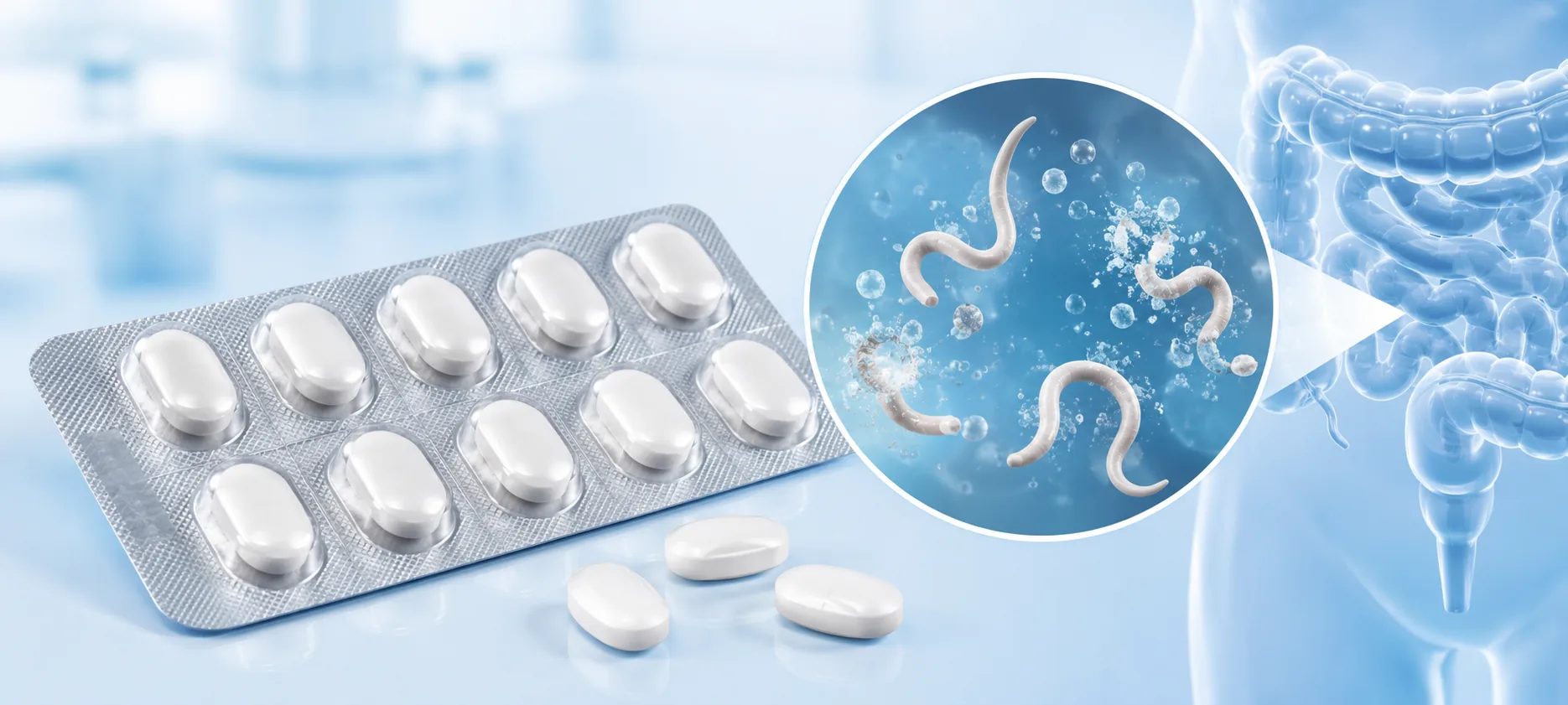
The STD Profile Test is a blood test panel that helps screen for selected sexually transmitted infections. It is performed on a serum sample and includes tests for HIV, syphilis, herpes simplex virus and Chlamydia trachomatis related antibodies or markers.
Sexually transmitted infections may not always cause visible symptoms in the early stage. This test helps your doctor identify possible infection, assess recent or past exposure patterns and decide whether you need confirmatory tests, treatment or partner testing.
The test requires a blood sample collected from a vein in your arm.
What Does a STD Profile Test Measure?
The STD Profile Test checks for selected infection markers linked to sexually transmitted diseases:
- HIV screening: HIV-DUO helps detect HIV p24 antigen and antibodies to HIV type 1 and type 2.
- Syphilis screening: Syphilis Antibodies (Treponema), TPHA and RPR help assess infection with Treponema pallidum, the bacterium that causes syphilis.
- Herpes screening: HSV-1&2 IgM antibody helps assess recent antibody response to herpes simplex virus type 1 and type 2.
- Chlamydia screening: Chlamydia Trachomatis-IgA helps assess IgA antibody response that may be linked with recent or active Chlamydia trachomatis infection.
- Clinical correlation: The profile helps your doctor interpret results along with your symptoms, exposure history and other investigations.
STD Profile Test: Who Needs It and Why It’s Done
What Symptoms May Call for a STD Profile Test?
Your doctor may recommend this test if you have symptoms that suggest a sexually transmitted infection, such as:
- Burning or pain while passing urine
- Unusual genital discharge
- Genital itching, irritation or discomfort
- Sores, ulcers, blisters or rashes around the genital or oral area
- Lower abdominal or pelvic pain
- Pain during sex
- Testicular pain or swelling
- Fever, body ache or swollen lymph nodes after possible exposure
- Rash on the body, palms or soles
- No symptoms, but possible exposure to an STI
Who Should Get a STD Profile Test?
This test may be useful for you if your doctor advises STI screening or if you may have been exposed to infection:
- You have had unprotected sex.
- You have a new sexual partner or multiple partners.
- Your partner has tested positive for an STI.
- You have symptoms of a genital, urinary or reproductive tract infection.
- You are planning pregnancy or have been advised screening before conception.
- You need screening before a procedure, fertility treatment or as part of preventive health assessment.
- You want confidential screening after possible exposure.
Why is a STD Profile Test Done?
The STD Profile Test is done to screen for selected bacterial and viral sexually transmitted infections. Early detection helps your doctor guide confirmatory testing, treatment decisions, partner notification and prevention of complications.
Importance of STD Profile Test
The STD Profile Test is important because many sexually transmitted infections can remain silent or cause mild symptoms that are easy to miss. Untreated infections may lead to complications such as pelvic inflammatory disease, infertility, pregnancy related risks, neurological complications, long term infection or transmission to partners.
This profile helps detect selected infection markers in one blood sample. A reactive or positive result does not always confirm a final diagnosis by itself, and a non reactive or negative result does not always rule out very early infection. Your doctor will interpret your results with your symptoms, exposure timing, clinical history and any confirmatory tests needed.
STD Profile Test Booking & Reports - Metropolis Healthcare
How to Book the STD Profile Test and Get Your Reports?
- Simple Online Booking
Booking can be done through the Metropolis Healthcare App or website. Select the STD Profile Test, choose a convenient time slot, and provide your address for a blood test at home. You can also visit the nearest Metropolis Lab if you prefer to give the sample directly at the lab. - Safe Home Sample Collection
Our trained phlebotomists ensure timely collection of your sample while strictly following all safety and hygiene protocols. - Sample Tracking Updates
Stay informed at every step. From collection to testing, you can track your sample directly through the Metropolis Healthcare website. - Accurate Laboratory Testing
Your sample is processed at our NABL and CAP accredited laboratories, where expert technicians ensure accurate results. - Quick and Easy Reports
Receive your test reports promptly via email, WhatsApp, or by downloading them directly from the Metropolis Healthcare website or app.
Is Home Sample Collection for STD Profile Test Available Near You?
Yes, Metropolis Healthcare offers home sample collection for STD Profile Test. This service saves you time, reduces the need for travel, and ensures professional sample handling while maintaining strict quality standards.
In how much time will I get STD Profile Test report?
Reports are usually available by the 5th day once the sample reaches the lab.
Note: Reporting time may vary based on your location.
Where can I see or get STD Profile Test results?
Test results from Metropolis Healthcare can be accessed through multiple convenient channels. You can log in to the Metropolis website using your credentials or use the Metropolis Healthcare App to view and download your reports. Additionally, test reports are sent via email or WhatsApp and you also have the option to collect a physical copy directly from the lab.
Interpreting STD Profile Test Results
What Your STD Profile Test Results May Indicate?
Your STD Profile Test results are interpreted based on the individual markers included in the panel. Some results are reported as non reactive or reactive, while others may be reported as negative, borderline, positive or with an index or ratio value.
| Result Pattern | What It May Indicate | What It Means for You |
|---|---|---|
| Non reactive or negative result | The tested infection marker was not detected above the reference limit | This may make that infection less likely at the time of testing, but very early infection may still need repeat or confirmatory testing |
| Borderline or equivocal result | The result falls near the decision range | Your doctor may advise repeat testing or additional tests based on exposure timing and symptoms |
| Reactive or positive result | The tested infection marker was detected above the reference limit | This may suggest possible infection or exposure and usually needs clinical correlation or confirmatory testing |
| Mixed results across parameters | One marker may be positive while others are negative | Your doctor will interpret each result separately and decide the next step |
Understanding Abnormal STD Profile Test Results by Parameter
| Parameter | Reported Result or Reference Interval | Interpretation | What It May Mean |
|---|---|---|---|
| HIV-DUO (IV th Generation test) | Non Reactive: less than 1.0 S/CO, Reactive: greater than or equal to 1.0 S/CO | Screens for HIV p24 antigen and antibodies to HIV type 1 and type 2 | A reactive result suggests possible HIV infection and needs repeat testing with supplemental or confirmatory tests as advised by your doctor |
| Syphilis Antibodies (Treponema) | Negative: less than or equal to 1 Index, Positive: more than 1.0 Index | Detects antibodies to Treponema pallidum | A positive result may suggest syphilis exposure or infection and may need confirmation with additional tests such as TPHA or RPR |
| TPHA | Reported as per individual test format | Treponemal test used to support syphilis evaluation | A reactive result may support syphilis exposure or infection when interpreted with RPR, symptoms and history |
| RPR | Reported as per individual test format | Non treponemal test used in syphilis evaluation | A reactive result may suggest active or recent syphilis activity, but interpretation depends on titre, clinical findings and confirmatory testing |
| HSV-1&2 IgM antibody | Reported as per individual test format | Detects IgM antibody response to herpes simplex virus type 1 and type 2 | A positive result may suggest recent immune response, but HSV IgM results need careful interpretation with symptoms and other tests |
| Chlamydia Trachomatis-IgA | Negative: less than 0.8 Ratio, Borderline: 0.8 to 1.1 Ratio, Positive: more than 1.1 Ratio | Detects IgA antibody response to Chlamydia trachomatis | A positive result may support recent or active Chlamydia trachomatis infection when symptoms and clinical history match |
How Should You Prepare for a STD Profile Test?
The STD Profile Test requires minimal preparation. Follow these steps before your appointment:
- No fasting required: You can eat and drink normally before the test.
- Normal hydration: Drink water as you usually do to make blood collection easier.
- Share clinical history: Tell your doctor about symptoms, possible exposure date, partner history and any previous STI results.
- Mention current medicines: Inform your doctor if you are taking antibiotics, antivirals, HIV prevention medicines or immune modifying medicines.
- Carry previous reports: Bring earlier HIV, syphilis, herpes, chlamydia, urine, swab or PCR reports if available.
- Discuss recent exposure: If exposure was very recent, ask your doctor whether repeat testing may be needed after the window period.
- Do not stop medicines on your own: Continue your regular medicines unless your doctor advises a change.
How Is a STD Profile Test Done? (Step-by-Step Procedure)
The STD Profile Test is performed using a simple blood collection process:
- Preparation: A tourniquet is tied around your arm to make veins more visible.
- Cleaning: The puncture site is cleaned with antiseptic.
- Sample Collection: A sterile needle is used to draw about 3 ml of blood into a gel vacutainer.
- Completion: The needle is removed, and a bandage is applied.
- Processing: The sample is processed to obtain serum and tested using the relevant methods for the individual STD profile parameters.
Conditions That May Affect STD Profile Test Accuracy
Certain patient related factors can affect how your results are interpreted:
- Testing during the window period: If you test too soon after exposure, infection markers may not yet be detectable.
- Recent infection stage: Antibodies may take time to develop, so early results may need repeat testing.
- Past infection history: Some antibodies may remain detectable after previous exposure or treated infection.
- Ongoing treatment: Antibiotics, antivirals or immune modifying medicines may influence symptoms or immune response.
- Immune status: People with weakened immunity may produce a different antibody response.
- Single test limitation: A screening result may need confirmation using repeat samples or specific confirmatory tests.
- Clinical correlation needed: Your doctor will interpret results with your symptoms, exposure history and examination findings.
Diseases That a STD Profile Test Can Help Detect
The STD Profile Test helps your doctor screen for selected sexually transmitted infections and related conditions, including:
- HIV infection: HIV-DUO helps screen for HIV p24 antigen and antibodies to HIV type 1 and type 2.
- Syphilis: Syphilis Antibodies (Treponema), TPHA and RPR help evaluate infection caused by Treponema pallidum.
- Genital herpes infection: HSV-1&2 IgM antibody may help assess recent immune response to herpes simplex virus.
- Chlamydia trachomatis infection: Chlamydia Trachomatis-IgA may support evaluation of recent or active chlamydial infection.
- Nongonococcal urethritis: Chlamydia trachomatis may be linked with urinary and genital tract infection in men.
- Pelvic inflammatory disease: Chlamydia trachomatis infection may involve the cervix, uterus, fallopian tubes and ovaries if untreated.
- Reproductive health complications: Early screening helps reduce the risk of complications and supports timely care.
References
- Vallefuoco L. Fourth generation assays for HIV testing. Expert Rev Mol Diagn. 2016;16(7):723-732. PMID:27095565.
- Binnicker MJ, Jespersen DJ, Rollins LO. Treponema-specific tests for serodiagnosis of syphilis: comparative evaluation of seven assays. J Clin Microbiol. 2011;49(4):1313-1317. PMID:21346050.
- Larsen SA, Steiner BM, Rudolph AH. Laboratory diagnosis and interpretation of tests for syphilis. Clin Microbiol Rev. 1995;8(1):1-21. PMID:7704899.
- Komoda T, Kato A, Fukuda M, Takano K, Kawakami M. Kinetic study of antibodies (IgG, IgA) to Chlamydia trachomatis: importance of IgA antibody in screening test for C. trachomatis infection by peptide-based enzyme immunosorbent assay. Jpn J Infect Dis. 2007;60(6):347-351. PMID:18032832.
- LeGoff J, Péré H, Bélec L. Diagnosis of genital herpes simplex virus infection in the clinical laboratory. Virol J. 2014;11:83. PMID:24885431.
- Workowski KA, Bolan GA. Sexually transmitted diseases treatment guidelines, 2015. MMWR Recomm Rep. 2015;64(RR-03):1-137. PMID:26042815.
STD Profile Test Price in Different Cities
The cost of a STD Profile Test may vary depending on your location. Here's a table showing the approximate price range for the STD Profile Test at Metropolis Healthcare in major Indian cities:
|
City |
Approximate Cost (INR) |
|
₹ 2900 - ₹ 3700 |
|
|
₹ 2900 - ₹ 3700 |
|
|
₹ 2900 - ₹ 3700 |
|
|
₹ 2900 - ₹ 3700 |
|
|
₹ 2900 - ₹ 3700 |
The STD Profile Test cost may vary depending on the city and the specific tests. However, Metropolis Healthcare offers competitive STD Profile Test prices across major cities in India.
STD Screening Basic Price
Metropolis Healthcare is a leading diagnostics centre and pathology lab in India equipped with the latest state-of-the-art technologies that provides the STD Screening Basic with a clear pricing structure.
The STD Screening Basic Price in Nanded is ₹ 4,100 .
We are committed to deliver accurate and quality results from the best labs in India with complete transparency regarding test cost and turnaround time. No matter where you are, we strive to offer patients high-quality service that is affordable and accessible.
Frequently Asked Questions
You can take this test at the appointment time given by Metropolis Healthcare or your doctor. If you had a recent exposure, ask your doctor whether the timing is appropriate or whether repeat testing may be needed.
No, overnight fasting is not mandatory. You can eat and drink normally before the test unless your doctor has advised fasting for another test.
Mild dehydration is unlikely to directly affect antibody or antigen results, but normal hydration can make blood collection easier. Drink water as you usually do before the test.
No special diet is required. Inform your doctor about antibiotics, antivirals, HIV prevention medicines, immune related treatment and any recent treatment for infection. Do not stop any medicine unless your doctor tells you to.
A healthcare professional ties a tourniquet around your arm, cleans the puncture site, inserts a sterile needle into a vein and collects about 3 ml of blood in a gel vacutainer.
The risks are minimal and similar to any routine blood test. You may feel slight pain, mild bruising or temporary discomfort at the puncture site. Serious complications are rare.
Normal results depend on each parameter. HIV-DUO is usually non reactive below 1.0 S/CO, Syphilis Antibodies are negative at less than or equal to 1 Index, and Chlamydia Trachomatis-IgA is negative below 0.8 Ratio. Your doctor will interpret the full profile with your symptoms and exposure history.
Not always. Some markers may not be detectable during the early window period. If exposure was recent, your doctor may recommend repeat testing after a suitable interval.
A reactive HIV-DUO result suggests possible HIV infection and must be confirmed with repeat and supplemental testing as advised by your doctor. A single screening result is not considered final.
A positive Chlamydia Trachomatis-IgA result may support recent or active Chlamydia trachomatis infection when your symptoms and clinical history match. Your doctor may advise confirmation with PCR from urine or swab sample if required.
Ratings & Reviews (0)

Why Metropolis?
Metropolis has a team of 200 senior pathologists and over 2000 technicians delivering diagnostic solutions in the areas of routine, semi specialty and super specialty domains like Oncology, Neurology, Gynaecology, Nephrology and many more.
We offer a comprehensive range of 4000+ clinical laboratory tests and profiles, which are used for prediction, early detection, diagnostic screening, confirmation and/or monitoring of the disease.







 WhatsApp