Home Visit
 Upload






Preventive Healthcare
Onion Benefits: Nutrition Facts & Health Uses
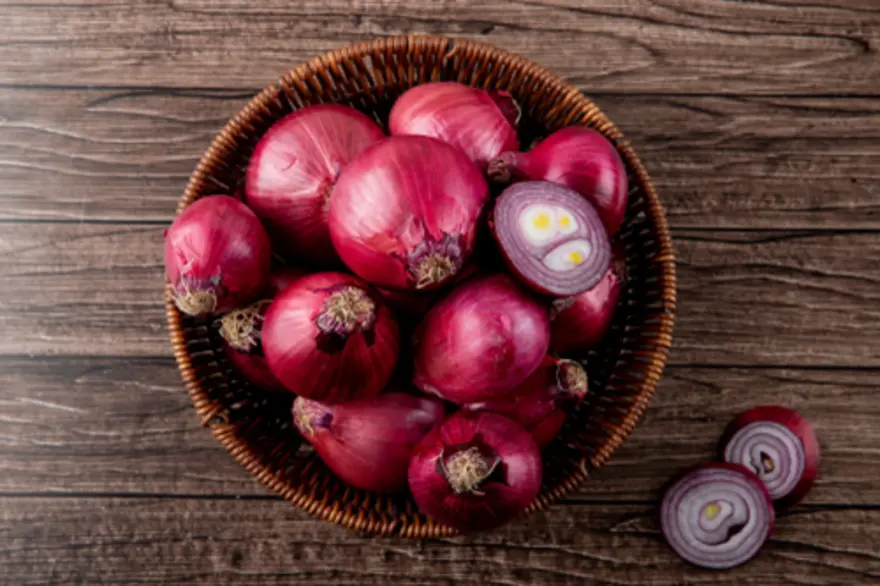
Table of Contents
- What Are Onions?
- Onion Nutrition Facts
- Types of Onions
- Health Benefits of Onions
- Onion Benefits for Skin and Hair
- Culinary Uses of Onions
- Daily Recommended Onion Intake
- Risks and Side Effects of Eating Too Many Onions
- Tips for Storing and Using Onions
- Who Should Avoid or Limit Onion Intake
- Conclusion
- FAQs
- References
What Are Onions?
Onions (Allium cepa) are a member of the Allium family, which also includes garlic, leeks, and chives. These versatile vegetables are known for their distinct flavour and aroma, which can range from sweet to pungent depending on the variety. Onions are low in calories but high in beneficial nutrients, making them an excellent addition to a healthy diet.
Onion Nutrition Facts
According to standard nutritional data, the table below shows the nutrient composition of raw onions per 100 grams:
|
Nutrient |
Amount (per 100 g) |
|
Calories |
40 kcal |
|
Protein |
1.1 g |
|
Carbohydrate |
9.34 g |
|
Total Fibre |
1.7 g |
|
Calcium |
23 mg |
|
Iron |
0.21 mg |
|
Magnesium |
10 mg |
|
Phosphorus |
29 mg |
|
Potassium |
146 mg |
|
Sodium |
4 mg |
|
Zinc |
0.17 mg |
|
Vitamin C |
7.4 mg |
|
Folate |
19 µg |
Types of Onions
There are several types of onions, each with its unique flavour profile and culinary uses:
- Yellow Onions: The most common type, yellow onions have a strong flavour and are ideal for cooking.
- Red Onions: Known for their mild, sweet taste, red onions are rich in antioxidants and great for salads and sandwiches.
- White Onions: With a crisp texture and mild flavour, white onions are often used in Mexican and Latin American cuisine.
- Shallots: These small, elongated onions have a delicate, sweet flavour and are commonly used in French cooking.
Health Benefits of Onions
Onion benefits are numerous, due to their rich nutrient profile and bioactive compounds. Here are some of the key health benefits of onions:
- Rich in Antioxidants: Onions are an excellent source of flavonoids, particularly quercetin, which has potent antioxidant effects. These compounds help protect your cells from damage caused by free radicals, reducing the risk of chronic diseases like cancer and heart disease.
- Supports Heart Health: The quercetin and sulfur compounds in onions may help lower blood pressure and improve vascular health, potentially reducing the risk of heart disease. Additionally, the sulphur compounds in onions may help lower cholesterol levels and prevent blood clots.
- Aids Digestion: The prebiotic fibre in onions (especially inulin and fructooligosaccharides) supports gut health by feeding beneficial bacteria and promoting regular bowel movements.
- Boosts Immune Function: The vitamin C and other antioxidants in onions can help strengthen your immune system, making you less susceptible to infections and illnesses.
- May Lower Cancer Risk: Population studies suggest that diets rich in onions and other Allium vegetables may be linked to a reduced risk of certain cancers, such as colorectal and stomach cancer.
Onion Benefits for Skin and Hair
- Antibacterial Properties: Onion extract contains natural antimicrobial compounds that may help inhibit acne-causing bacteria when applied topically.
- Promotes Collagen Production: The sulphur compounds in onions may help stimulate collagen production, leading to firmer, more youthful-looking skin.
- Enhances Hair Growth: Some small studies suggest that applying onion juice to the scalp may improve hair regrowth by stimulating blood circulation, though more research is needed to confirm these effects.
- Soothes Scalp Inflammation: Applying onion juice to the scalp can help soothe inflammation and irritation, making it useful for conditions like dandruff and scalp psoriasis.
Culinary Uses of Onions
- As a Base: Onions form the foundation of many recipes, providing a depth of flavour to soups, stews, sauces, and stir-fries.
- Raw in Salads: Thinly sliced or diced raw onions add a crisp, pungent kick to salads and sandwiches.
- Caramelised: Slowly cooking sliced onions until they caramelise brings out their natural sweetness, making them a delicious topping for burgers or a flavourful addition to dips and sauces.
- Pickled: Pickled onions are a tangy, crunchy condiment that pairs well with a variety of dishes, from tacos to curries.
Daily Recommended Onion Intake
While there is no specific recommended daily intake for onions, incorporating them into your diet regularly can provide numerous health benefits. Aim to include a variety of onions in your meals, both cooked and raw, to reap the benefits of their diverse nutrient profiles. As a general guideline, including onions regularly in meals — around 1 small to medium onion per day — is safe and beneficial for most people.
Risks and Side Effects of Eating Too Many Onions
- Digestive Discomfort: Some people may experience bloating, gas, or heartburn after eating large amounts of onions due to their high fructan content.
- Allergic Reactions: Though rare, some individuals may be allergic to onions, experiencing symptoms like itching, swelling, or difficulty breathing.
- Interference with Blood Thinners: Onions contain only trace amounts of vitamin K, which are unlikely to significantly interfere with blood-thinning medications like warfarin.
Tips for Storing and Using Onions
To get the most out of your onions and ensure they stay fresh, follow these tips:
- Store onions in a cool, dry, dark place with good ventilation, such as a pantry or cellar.
- Avoid storing whole, unpeeled onions in the refrigerator, as humidity can cause them to spoil more quickly; however, cut onions should be refrigerated and used within a few days.
- Keep onions away from potatoes, as they emit gases that can cause potatoes to sprout and spoil faster.
- When cutting onions, use a sharp knife and work in a well-ventilated area to minimise eye irritation.
- To reduce the pungency of raw onions, soak them in cold water for 10-15 minutes before using them in salads or sandwiches.
Who Should Avoid or Limit Onion Intake
While onions are generally safe for most people, some individuals may need to avoid or limit their intake:
- Those with onion allergies or intolerances.
- People taking blood-thinning medications should consult their doctor before making major dietary changes, although onions are generally safe due to their very low vitamin K content.
- Individuals with severe acid reflux or digestive issues, as onions can exacerbate symptoms.
- People following a low-FODMAP diet, as onions are high in fructans, a type of FODMAP that can trigger digestive discomfort in some individuals.
Conclusion
Onions are not only a flavourful addition to your meals but also a powerhouse of nutrition and health benefits. From supporting heart health and boosting immunity to promoting healthy skin and hair, the humble onion has much to offer. By incorporating a variety of onions into your diet and using them in your cooking, you can easily tap into their potential for enhancing your overall well-being.
At Metropolis Healthcare, we understand the importance of making informed choices about your health. With a presence in over 750 towns across India, supported by 220 laboratories, 4600+ service centres, and 10,000+ touchpoints, we make preventive healthcare accessible and reliable. Our expert technicians provide convenient home sample collection, and our advanced laboratories deliver precise, high-quality reports to help you make dietary choices effectively.
FAQs
Are raw onions healthier than cooked onions?
Both raw and cooked onions offer health benefits. While raw onions may have slightly higher levels of some nutrients, cooking onions can make other beneficial compounds more bioavailable. Incorporating a mix of raw and cooked onions in your diet is ideal.
Can onions help with weight loss?
Onions can be a helpful addition to a weight loss diet due to their low calorie content and high fibre content, which can promote feelings of fullness. However, a balanced diet and regular exercise are essential for achieving and maintaining a healthy weight.
Can onion juice really help with hair growth?
Some studies suggest that the sulphur compounds in onion juice may help promote hair growth by increasing circulation to the scalp. However, more research is needed to confirm these onion juice benefits for hair.
Is it okay to eat onions every day?
Yes, consuming onions daily can be beneficial for most people, as they offer a range of nutrients and health benefits. However, if you experience digestive discomfort or have a specific health condition, it's best to consult with a doctor.
Which type of onion is the healthiest?
All types of onions offer health benefits, but red onions are particularly high in antioxidants like quercetin. Ultimately, including a variety of onions in your diet is the best approach to reap their diverse nutritional benefits.
References
- https://pmc.ncbi.nlm.nih.gov/articles/PMC7894628/
- https://fdc.nal.usda.gov/food-details/170000/nutrients
- https://health.clevelandclinic.org/are-onions-good-for-you/
- https://www.ijcmas.com/special/6/P.%20Bhasker,%20et%20al.pdf