Home Visit
 Upload






Preventive Healthcare
Olive Oil Benefits: Health, Skin, Risk & Advantages
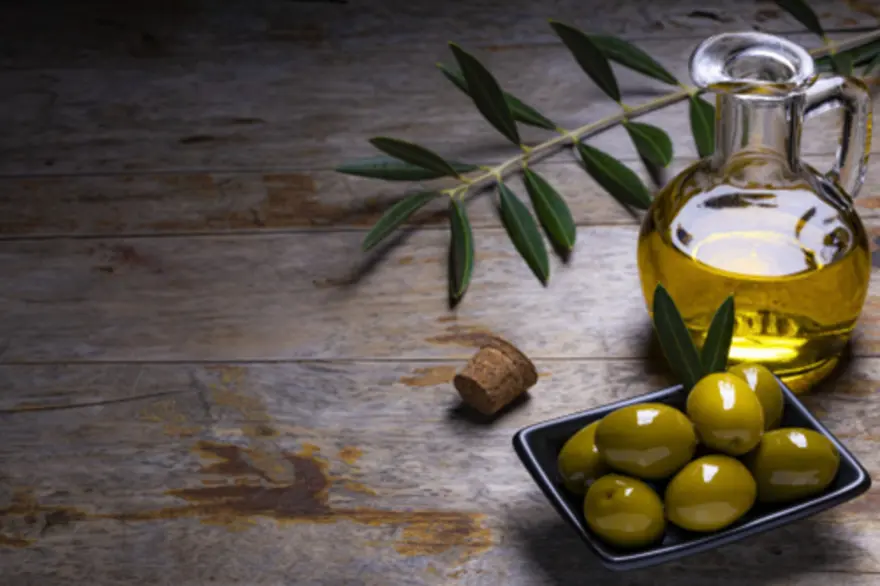
Table of Contents
- What is Olive Oil?
- Nutritional Value of Olive Oil
- Types of Olive Oil
- Health Benefits of Olive Oil
- Skin and Hair Benefits of Olive Oil
- Culinary Uses of Olive Oil
- Daily Recommended Olive Oil Intake
- Risks and Side Effects of Olive Oil
- How to Choose Quality Olive Oil
- Who Should Limit Olive Oil Consumption
- Conclusion
- FAQs
- References
What is Olive Oil?
Olive oil is a natural oil derived from the fruit of the olive tree (Olea europaea). This golden elixir has been a staple in Mediterranean cuisine and traditional medicine for thousands of years. The oil is extracted by pressing whole olives and is prized for its distinctive taste, versatility in cooking, and numerous health benefits.
Olive oil is composed mainly of monounsaturated fatty acids, particularly oleic acid, with smaller amounts of polyunsaturated and saturated fats. It also contains potent antioxidants and vitamins that contribute to its therapeutic properties. The unique nutritional profile of olive oil makes it a valuable addition to a balanced diet for overall wellness.
Nutritional Value of Olive Oil
According to the U.S. Department of Agriculture (USDA) Food Data Central database, the nutritional composition of olive oil per 100 grams is as follows:
|
Nutrient |
Amount (per 100g) |
|
Calories |
884 kcal |
|
Total Fat |
100 g |
|
Calcium |
1 mg |
|
Iron |
0.56 mg |
|
Potassium |
1 mg |
|
Sodium |
2 mg |
|
Vitamin E |
14.4 mg |
|
Vitamin K |
60.2 µg |
|
Fatty acids, total saturated |
13.5 g |
|
Fatty acids, total monounsaturated |
73 g |
|
Fatty acids, total polyunsaturated |
10.5 g |
Types of Olive Oil
When shopping for olive oil, you'll come across several varieties, each with its own characteristics and uses:
- Extra Virgin Olive Oil (EVOO): Considered the gold standard, EVOO is made from the first cold pressing of olives. It retains the most antioxidants, flavour, and aroma.
- Virgin Olive Oil: Also cold-pressed but has slightly higher acidity levels and less pronounced flavour compared to EVOO.
- Refined Olive Oil: Undergoes mechanical and chemical refining to neutralise acidity and remove impurities or strong flavours. It lacks the beneficial compounds found in EVOO.
- Pure Olive Oil: A blend of refined and virgin olive oils, resulting in a milder flavour and lighter colour.
- Light Olive Oil: Highly refined, with a neutral taste and a similar calorie content but reduced phenolic and antioxidant compounds.
Health Benefits of Olive Oil
The health benefits of olive oil are largely attributed to its high content of monounsaturated fats and potent antioxidants.
Here's how regular consumption of olive oil can boost your well-being:
- Supports heart health: Supports heart health: The monounsaturated fats in olive oil can help lower LDL ("bad") cholesterol and maintain or slightly increase HDL ("good") cholesterol levels, reducing the risk of heart disease.
- Rich in antioxidants: Olive oil is packed with antioxidants like oleocanthal and oleuropein, which combat inflammation and protect against chronic diseases.
- May reduce stroke risk: Studies suggest that the Mediterranean diet, rich in olive oil, can significantly lower the risk of stroke and cardiovascular events.
- Promotes stable blood sugar: The healthy fats in olive oil slow down digestion, helping maintain stable blood glucose levels and reducing the risk of type 2 diabetes.
- Potential cancer protection: The antioxidant and anti-inflammatory compounds in olive oil may contribute to a lower risk of certain cancers, including breast and colorectal cancer, though more research is needed, particularly colorectal and breast cancer.
- Supports bone health: The vitamin K and polyphenols in olive oil contribute to strong, healthy bones and may help prevent osteoporosis.
Skin and Hair Benefits of Olive Oil
Olive oil’s moisturising properties, combined with its antioxidant content, make it a popular ingredient in many beauty products.
Here are some of the ways olive oil benefits skin and hair:
- Moisturises dry skin: Olive oil's fatty acids help seal moisture into the skin, preventing dryness and flaking. It can be especially helpful for those with eczema or psoriasis.
- Promotes a healthy skin barrier: By strengthening the skin's natural barrier, olive oil helps protect against environmental stressors and reduces the risk of irritation.
- Fights premature ageing: The antioxidants in olive oil, particularly vitamin E, can help combat free radical damage and slow the appearance of fine lines and wrinkles.
- Enhances hair health: When used as a deep conditioning treatment, olive oil can help improve hair strength, softness, and shine. Its moisturising properties may also help soothe a dry, flaky scalp.
How to Use Olive Oil for Skin and Hair
- Apply a small amount of EVOO as a facial moisturiser on damp skin, gently massaging in circular motions.
- Use olive oil as a natural makeup remover by applying it to a cotton pad and wiping away cosmetics.
- Add a few tablespoons of olive oil to your favourite hair mask or conditioner for an extra dose of nourishment.
- Massage warm olive oil into the scalp and hair, leave on for 30 minutes, then shampoo as usual for a deep conditioning treatment.
- Mix olive oil with sugar or salt to create a gentle, exfoliating body scrub that leaves skin silky smooth.
Culinary Uses of Olive Oil
One of the most common olive oil uses is in cooking and food preparation. Here are some ways to incorporate this versatile ingredient into your meals:
- Whisk olive oil with vinegar, herbs, and spices to create flavourful salad dressings and vinaigrettes.
- Drizzle EVOO over roasted vegetables, grilled meats, or fresh pasta for a burst of flavour.
- Use olive oil for sautéing and light cooking at low to medium heat; for high-heat frying, opt for refined olive oil with a higher smoke point.
- Marinate meats, poultry, and vegetables in olive oil infused with garlic, herbs, and citrus zest.
- Substitute olive oil for butter or other oils in baking recipes for a healthier twist on sweet treats.
- Add a splash of robust EVOO to soups, stews, and sauces for depth of flavour.
Daily Recommended Olive Oil Intake
To gain the most health benefits, most nutrition experts recommend consuming about 1–2 tablespoons (15–30 ml) of olive oil daily.. However, it's essential to use olive oil in place of, rather than in addition to, less healthy fats like saturated and trans fats. Keep in mind that while olive oil is nutritious, it is still calorie-dense, so be mindful of portion sizes to avoid unwanted weight gain.
Risks and Side Effects of Olive Oil
While olive oil is generally safe and well-tolerated, there are a few potential risks and side effects to be aware of:
- Allergic reactions: Some people may experience an allergic reaction to olive oil, particularly those with an allergy to olives or other tree nuts. Symptoms can include itching, hives, and difficulty breathing.
- Digestive issues: Consuming large amounts of any fat, including olive oil, can lead to digestive discomfort like diarrhoea or stomach pain.
- Medication interactions: Olive oil may mildly influence the effects of certain medications, including blood thinners or diabetes medications, due to its potential impact on blood lipids and glucose metabolism. Always check with your doctor or registered dietitian before making significant dietary changes.
- Smoke point concerns: Heating olive oil past its smoke point can create harmful compounds that may increase the risk of health problems. Be sure to use the appropriate type of olive oil for your cooking method.
How to Choose Quality Olive Oil
- Look for "extra virgin" on the label, which indicates the oil is from the first cold pressing of the olives and has the highest quality and nutrient content.
- Check the harvest date and choose a bottle that's less than a year old.
- Choose oils in dark glass bottles, which protect against light damage and preserve freshness.
- Opt for oils certified by reputable bodies such as the International Olive Council (IOC) or the North American Olive Oil Association (NAOOA), which verify quality and purity, which certify quality and purity.
- Avoid oils labelled as "light" or "pure", as these have often been heavily processed and may lack beneficial nutrients.
Who Should Limit Olive Oil Consumption
- Individuals aiming for weight loss should monitor their olive oil intake, as it is calorie-dense despite being heart-healthy.
- People with fat malabsorption disorders should consult with their doctor before consuming large amounts of olive oil.
- Those following a low-fat diet for medical reasons may need to limit their olive oil consumption.
- Anyone with a known allergy to olives or olive oil should avoid consuming it.
- If you are taking medications that may interact with olive oil, it's crucial to seek guidance from your doctor.
Conclusion
Olive oil is a nutritional powerhouse offering diverse benefits for health, longevity, and wellness. From supporting cardiovascular function to nourishing the skin and enhancing the flavour of our favourite dishes, this Mediterranean diet staple truly lives up to its reputation as liquid gold. Incorporating high-quality extra virgin olive oil (EVOO) into your daily diet can help you unlock the full potential of this Mediterranean superfood.
At Metropolis Healthcare, we understand the importance of making informed choices for your well-being. With a robust network of over 220 laboratories, more than 4,600 service centres, and upwards of 10,000 touchpoints across 750 towns in India, we are committed to providing reliable health information and diagnostic services to support your wellness journey. Our team of expert technicians provides convenient at-home sample collection, and our advanced laboratories deliver precise, high-quality reports to guide your dietary choices effectively.
Also Read: Fish Oil Benefits: How It Supports Heart, Brain & Skin Health
FAQs
Is it good to take olive oil every day?
Yes, consuming 1-2 tablespoons of olive oil daily as part of a balanced diet can provide numerous health benefits, such as supporting heart health, reducing inflammation, and supplying beneficial antioxidants.
Which type of olive oil is best for cooking?
Extra virgin olive oil is best for dressings, dips, and low-heat cooking, as it retains the most flavour and nutrients. For high-heat cooking, refined olive oil is a better choice due to its higher smoke point.
Can olive oil help in weight loss?
While olive oil itself is not a magic weight loss solution, it can be a helpful part of a balanced, calorie-controlled diet. Olive oil's healthy fats promote satiety and can replace less nutritious fats in the diet.
Can I apply olive oil directly to my face?
Yes, extra virgin olive oil can be applied directly to the face as a natural moisturiser. Its antioxidants and healthy fats nourish and protect the skin. However, do a patch test first to ensure you don't have a sensitivity.
What are the side effects of drinking olive oil?
Drinking large amounts of olive oil can lead to digestive discomfort, such as stomach pain and diarrhoea. It may also contribute to weight gain if consumed in excess of your daily calorie needs.
References
- https://pmc.ncbi.nlm.nih.gov/articles/PMC5877547/
- https://fdc.nal.usda.gov/food-details/171413/nutrients
- https://health.clevelandclinic.org/benefits-of-olive-oil
- https://health.ucdavis.edu/blog/good-food/olive-oils-health-benefits-and-why-you-should-add-it-to-your-diet/2024/04
- https://www.aboutoliveoil.org/12-surprising-health-benefits-of-olive-oil