Home Visit
 Upload






Preventive Healthcare
Oil Pulling Benefits: Ancient Oral Detox Technique Explained
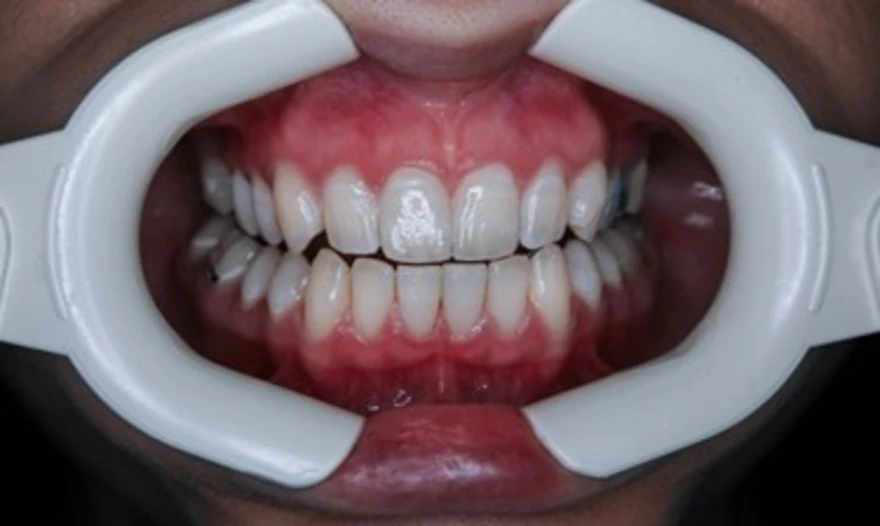
Table of Contents
- What is Oil Pulling?
- How Does Oil Pulling Work?
- Oil Pulling Benefits for Teeth
- Oil Pulling Benefits for Gums
- Oil Pulling and Detoxification
- Best Oils for Oil Pulling
- How to Practice Oil Pulling
- Common Oil Pulling Mistakes to Avoid
- Oil Pulling and Oral Health: A Research Overview
- Can Oil Pulling Replace Regular Brushing?
- Are There Any Risks of Oil Pulling?
- Is Oil Pulling Suitable for Everyone?
- Conclusion
- FAQ
- References
What is Oil Pulling?
Oil pulling is an ancient Ayurvedic oral care ritual that involves swishing a tablespoon of oil—typically coconut, sesame, or sunflower oil—in the mouth for around 15 to 20 minutes. This practice, known as “kavala” or “gandusha” in Ayurveda, is traditionally believed to help remove impurities and bacteria from the mouth and support overall oral health.
The method acts as a natural mouthwash that helps cleanse the oral cavity and supports a balanced oral microbiome. In recent years, oil pulling has gained popularity globally as a natural and cost-effective oral hygiene technique that complements modern dental care practices.
How Does Oil Pulling Work?
Oil pulling works through emulsification — the process of mixing oil and saliva — which helps lift and trap debris and bacteria from the mouth. Swishing oil mixes it with saliva, creating a thin emulsion that traps toxins, food debris, and bacteria, which are then expelled.
The oil’s lipids bind to bacterial membranes, pulling harmful microbes like Streptococcus mutans—linked to plaque and bad breath—out of the mouth. By supporting a balanced oral microbiome and reducing bacterial acids, oil pulling may help protect enamel and reduce gum inflammation.
Oil Pulling Benefits for Teeth
Oil pulling is especially beneficial for maintaining strong and healthy teeth.
Key benefits include:
- Prevents plaque formation: Regular oil pulling reduces bacterial growth, preventing the sticky biofilm that leads to plaque.
- Strengthens enamel: It balances the mouth’s pH, reducing acid erosion and enhancing tooth strength.
- Prevents cavities: By removing bacteria and toxins, it lowers the risk of tooth decay and cavities.
- Whitens teeth naturally: Regular swishing may help remove some surface stains from tea, coffee, or tobacco, improving tooth appearance.
- Reduces tooth sensitivity: Consistent use can soothe nerves by forming a protective coating around teeth.
Oil Pulling Benefits for Gums
Healthy gums are essential for overall oral well-being, and oil pulling can help support gum health in multiple ways:
- Reduces gum inflammation: The antimicrobial action of coconut oil helps soothe swollen or bleeding gums.
- Combats gingivitis: Regular oil pulling can reduce bacteria that trigger gum infections.
- Promotes healing: Oils like sesame have anti-inflammatory properties that promote tissue repair.
- Improves gum firmness: Strengthened gums enhance tooth stability and prevent gum recession.
- Enhances oral blood circulation: The swishing action stimulates circulation, ensuring oxygen supply to the gum tissues.
Oil Pulling and Detoxification
Oil pulling is considered a “mouth cleansing” technique in Ayurveda, rooted in the belief that oral health reflects overall wellbeing By reducing bacteria and toxins in the mouth, it may lower the body’s inflammatory load.
While scientific evidence for full-body detoxification through oil pulling is lacking, traditional practice and anecdotal reports suggest benefits like clearer skin, improved digestion, better breath, and higher energy levels due to reduced oral toxin buildup.
Best Oils for Oil Pulling
Different oils offer unique oil-pulling benefits. The most commonly used include:
- Coconut Oil: Rich in lauric acid, known for its strong antimicrobial and anti-inflammatory effects. It’s pleasant-tasting and highly effective against oral bacteria.
- Sesame Oil: A traditional Ayurvedic favourite, sesame oil has antioxidant properties and helps soothe gums.
- Sunflower Oil: Light and neutral-tasting, suitable for beginners or those sensitive to stronger flavours.
- Olive Oil: Packed with polyphenols and vitamin E, offering antioxidant protection to oral tissues.
For best results, always use cold-pressed, organic oils to ensure purity and maximum effectiveness.
How to Practice Oil Pulling
Here’s a simple step-by-step 'how to do oil pulling' guide to master it correctly:
- Measure: Take 1 tablespoon of your preferred oil.
- Swish: Gently swish it around your mouth for 15–20 minutes. Avoid gargling or swallowing.
- Spit: Dispose of the oil in a trash bin (not in the sink), as it can clog drains.
- Rinse: Rinse your mouth thoroughly with warm water.
- Brush: Follow up with your regular brushing and flossing routine.
It’s best to do oil pulling first thing in the morning before eating or drinking anything for optimal results.
Common Oil Pulling Mistakes to Avoid
To maximise the benefits, avoid these common mistakes:
- Swishing too hard can cause jaw pain.
- Doing it for less than 10 minutes — shorter duration reduces effectiveness.
- Swallowing the oil, which contains trapped toxins and bacteria.
- Using unrefined or stale oil that may contain impurities.
- Skipping brushing afterwards, which is essential to remove residual bacteria.
Oil Pulling and Oral Health: A Research Overview
Several small-scale studies suggest oil pulling may reduce oral bacteria and improve gum health as a supplementary hygiene practice.. Research published in the National Institutes of Health (NIH) found that coconut oil pulling significantly reduced Streptococcus mutans levels after two weeks of use.
Similarly, studies comparing oil pulling with chlorhexidine mouthwash found comparable results in plaque reduction and gum health improvement — but without chemical side effects like staining or taste disturbance.
Experts, however, emphasise that oil pulling should be viewed as an adjunct therapy, not a substitute for brushing and flossing.
Can Oil Pulling Replace Regular Brushing?
No. While oil pulling provides significant benefits, it cannot replace brushing and flossing. Brushing removes physical debris, while oil pulling enhances oral hygiene by reducing bacteria and toxins. The best approach is to combine both — oil pulling in the morning, followed by brushing and flossing — for comprehensive dental care.
Oil Pulling for Bad Breath
- Eliminates odour-causing bacteria in the mouth.
- Keeps the tongue and gums clean and hydrated.
- Offers a natural, chemical-free alternative to mouthwash.
Oil Pulling for Whiter Teeth
- Gently removes stains from enamel.
- Improves shine and brightness without harsh abrasives.
- Regular use may enhance overall tooth colour over time.
Are There Any Risks of Oil Pulling?
Oil pulling is generally safe when done correctly. However, improper practice can cause:
- Stomach discomfort if the oil is swallowed.
- Jaw fatigue from swishing too vigorously.
- Rarely, accidental aspiration of oil into the lungs may cause lipid pneumonia; this is extremely uncommon.
Always spit the oil out completely and rinse thoroughly afterwards. People with nut allergies should avoid oils derived from nuts.
Is Oil Pulling Suitable for Everyone?
Oil pulling is safe for most adults, including pregnant women, but not recommended for children under 5 years who might accidentally swallow the oil. People with sensitive gag reflexes or oral ulcers should consult a dentist before starting.
It can be especially beneficial for those with dry mouth, gum inflammation, or frequent bad breath.
Conclusion
Oil pulling combines ancient Ayurvedic wisdom with modern oral health awareness. It’s a safe, natural, and affordable way to strengthen teeth, reduce gum inflammation, and maintain oral hygiene when practised consistently.
For deeper insights into your dental and overall health, Metropolis Healthcare offers 4,000+ diagnostic tests with home sample collection, fast and accurate reports, and specialised oral health panels. With 10,000+ home collection touchpoints and easy booking through our website, app, or WhatsApp, we make preventive care more accessible than ever.
FAQ
What are the benefits of oil pulling for oral health?
It removes bacteria, reduces plaque, strengthens gums, and helps maintain overall oral hygiene naturally.
Can oil pulling help whiten teeth?
Yes, regular oil pulling removes surface stains and enhances tooth brightness without bleaching agents.
How long should I do oil pulling each day?
Start with 5–10 minutes and gradually increase to 20 minutes. Always rinse and brush after oil pulling.
Can oil pulling replace brushing and flossing?
No. It should complement your routine, not replace it. Continue brushing twice daily and flossing once a day.
Are there any dangers associated with oil pulling?
Swallowing oil or using contaminated oils can cause nausea or discomfort. Always use fresh, food-grade oil.
Which oil is best for oil pulling?
Coconut oil is the most effective and widely recommended. Sesame and sunflower oils are excellent alternatives.
References
https://pmc.ncbi.nlm.nih.gov/articles/PMC7475120/
https://www.healthline.com/nutrition/oil-pulling-coconut-oil
https://health.clevelandclinic.org/is-oil-pulling-your-best-choice-for-dental-health