Home Visit
 Upload






Preventive Healthcare
What is Hyperoxaluria? Causes, Risks, Diagnosis & Treatment
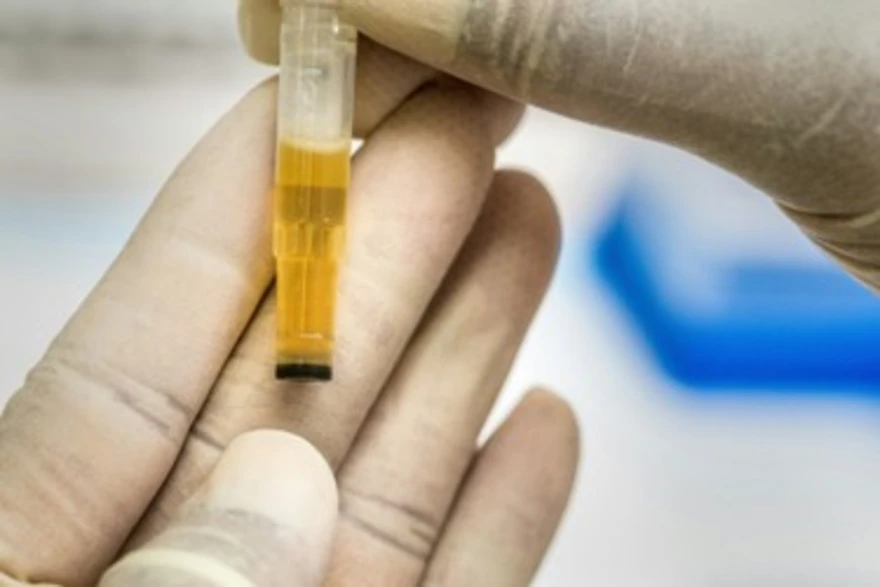
Table of Contents
- What is Hyperoxaluria?
- Types of Hyperoxaluria
- Causes of Hyperoxaluria
- Who is at Risk of Hyperoxaluria?
- Symptoms of Hyperoxaluria
- Tests for Hyperoxaluria Diagnosis
- How is Hyperoxaluria Diagnosed?
- Complications Linked to Hyperoxaluria
- How to Manage Hyperoxaluria
- When to See a Doctor?
- Prevention Tips for Hyperoxaluria
- Living with Hyperoxaluria
- Prognosis & Outlook
- Conclusion
- FAQs
- References
What is Hyperoxaluria?
Hyperoxaluria is a metabolic disorder characterised by excessive production or urinary excretion of oxalate, a metabolic end-product of glyoxylate oxidation and a component of many plant-based foods, a natural chemical found in many plant-based foods such as spinach, beets, and nuts.
Normally, small amounts of oxalate pass harmlessly through the kidneys into the urine. When oxalate levels become excessive, they combine with calcium in the urine to form crystals. Over time, these crystals can grow into kidney stones or deposit within kidney tissue, impairing filtration and leading to serious complications, such as chronic kidney disease or renal failure.
The hyperoxaluria meaning can be understood as “excess oxalate in urine.” It may arise from genetic mutations, intestinal disorders, or dietary habits. Because the condition affects how the body metabolises oxalate, early diagnosis and appropriate management are crucial to prevent long-term kidney damage.
Types of Hyperoxaluria
According to a book published by the National Institutes of Health (NIH), hyperoxaluria is categorised based on its cause and origin:
- Primary Hyperoxaluria (PH):
This inherited disorder results from mutations in liver-specific enzymes involved in glyoxylate metabolism—most commonly AGXT (PH1), GRHPR (PH2), or HOGA1 (PH3)—leading to excessive oxalate overproduction. These defects lead to overproduction of oxalate, which the body is unable to break down. The excess oxalate accumulates in the kidneys and other organs, leading to recurrent kidney stones and eventual kidney failure if untreated. - Secondary Hyperoxaluria:
This acquired form arises from increased intestinal oxalate absorption or metabolic conversion, often due to high dietary oxalate, fat malabsorption, or excessive vitamin C intake. When the intestines absorb too much oxalate, urinary oxalate levels rise, forming crystals that contribute to kidney stones. - Enteric Hyperoxaluria:
Occurs in individuals with malabsorptive gastrointestinal disorders (e.g., Crohn’s disease, celiac disease, or after bariatric surgery) where unabsorbed fats bind calcium, leaving oxalate free for absorption and urinary excretion, this type arises due to poor fat absorption. Unabsorbed fats bind calcium in the intestine, leaving oxalate free for absorption into the bloodstream, which then increases oxalate excretion in urine.
Causes of Hyperoxaluria
Several factors can contribute to hyperoxaluria, depending on its type:
- Genetic mutation in liver enzymes (causing primary hyperoxaluria).
- Overproduction of oxalate by the liver.
- High consumption of oxalate-rich foods like spinach, rhubarb, nuts, chocolate, and beets.
- Chronic intestinal disorders (e.g., inflammatory bowel disease, celiac disease) increase oxalate absorption.
- Low dietary calcium leads to reduced binding of oxalate in the gut.
- Excessive vitamin C supplementation, as vitamin C converts into oxalate during metabolism.
- Recurrent urinary tract infections do not directly cause hyperoxaluria but may complicate stone formation or urinary obstruction.
- Liver dysfunction affects oxalate metabolism.
Who is at Risk of Hyperoxaluria?
Certain groups are more prone to developing hyperoxaluria:
- Individuals with a family history of kidney stones or metabolic disorders.
- Those with digestive diseases such as Crohn’s disease or ulcerative colitis.
- Patients who have undergone intestinal or bariatric surgery.
- People are consuming a high-oxalate diet with inadequate calcium.
- Individuals with low fluid intake may experience concentrated urine.
- Those taking megadoses of vitamin C supplements.
- Patients with repeated UTIs or impaired kidney function.
- Children born with inherited enzyme deficiencies linked to primary hyperoxaluria.
Symptoms of Hyperoxaluria
The signs and symptoms of hyperoxaluria can vary from mild discomfort to severe kidney complications.
Common symptoms include:
- Recurrent kidney stones: Often the earliest sign, causing severe flank or lower abdominal pain.
- Pain during urination: Caused by stones or crystal deposits in the urinary tract.
- Blood in urine (hematuria): Resulting from irritation of the urinary lining.
- Frequent UTIs: Due to bacterial growth on stones or crystal deposits.
- Fatigue and weakness: As kidney function deteriorates.
- Swelling in feet and hands: Indicating kidney dysfunction or fluid retention.
- Nausea, vomiting, and reduced appetite: Common in advanced cases.
In children, symptoms might include growth retardation, failure to thrive, or recurrent urinary symptoms.
Tests for Hyperoxaluria Diagnosis
Diagnosis of hyperoxaluria involves a combination of laboratory and imaging investigations:
- Oxalate, 24 Hours Urine: Measures oxalate levels over 24 hours. High oxalate concentration is a hallmark of hyperoxaluria.
- Blood Test: Checks kidney function, blood oxalate levels, and identifies systemic oxalate buildup. Tests like the Kidney Function Test (KFT) help doctors diagnose and treat accordingly.
- Imaging Tests: CT scan, ultrasound, or X-rays are used to detect kidney stones and calcium oxalate deposits.
- Genetic Testing and Counselling: Detects pathogenic variants in AGXT, GRHPR, or HOGA1 genes to confirm the diagnosis of primary hyperoxaluria and guide family screening.
- Liver biopsy or enzyme assay: Occasionally used to evaluate oxalate metabolism when genetic results are inconclusive.
How is Hyperoxaluria Diagnosed?
The diagnostic process for hyperoxaluria typically involves several steps:
- Review of medical history and symptoms to identify risk factors and signs of hyperoxaluria or kidney stones.
- 24-hour urine test to measure oxalate levels and other substances that contribute to stone formation.
- Blood tests to check kidney function and electrolyte balance, which can be affected by hyperoxaluria.
- Imaging studies, like ultrasound or CT scan, are used to visualise kidney stones and evaluate the kidneys and urinary tract.
- Genetic testing for primary hyperoxaluria, especially in children and young adults with recurrent stones.
- Additional evaluations, such as intestinal biopsies or dietary assessments, are needed to identify the underlying causes of secondary hyperoxaluria.
Complications Linked to Hyperoxaluria
When left untreated, hyperoxaluria can cause progressive kidney damage. The continuous buildup of calcium oxalate crystals leads to nephrolithiasis (kidney stones) and nephrocalcinosis, where calcium deposits harden kidney tissues. Over time, this can result in chronic kidney disease (CKD) and, ultimately, end-stage renal failure.
In end-stage primary hyperoxaluria, systemic oxalosis may develop, where calcium oxalate crystals deposit in bones, eyes, myocardium, and vessels, causing anemia, bone pain, and cardiac dysfunction. This can cause vision problems, bone pain, anaemia, and cardiac complications.
How to Manage Hyperoxaluria
Management of hyperoxaluria depends on the type and severity of the condition. For primary hyperoxaluria, treatment aims to reduce oxalate production and prevent systemic buildup. Pyridoxine (vitamin B6) supplementation can significantly reduce oxalate production in patients with PH type 1 who retain partial AGXT enzyme activity. Patients are advised to drink large volumes of water, up to 3 litres daily, to dilute their urine and prevent crystal formation.
For secondary or enteric hyperoxaluria, key strategies include reducing oxalate-rich foods, maintaining normal calcium intake (not restriction), limiting vitamin C, and increasing hydration.
Alkalinising agents (e.g., potassium citrate) help maintain urine pH above 6.5, while calcium carbonate or calcium citrate taken with meals binds dietary oxalate and reduces absorption. In advanced cases, renal replacement therapy (dialysis) may be required temporarily. Definitive treatment for primary hyperoxaluria involves combined liver–kidney transplantation to correct the enzyme defect and restore metabolic balance.
When to See a Doctor?
You should consult a healthcare provider immediately if you experience:
- Persistent or severe flank or abdominal pain.
- Blood in urine or cloudy urine.
- Recurrent kidney stones despite preventive efforts.
- Symptoms of UTIs include fever, chills, or a burning sensation during urination.
- Swelling in the legs or reduced urination suggests kidney dysfunction.
Early medical attention allows timely diagnosis through urine and blood tests, potentially preventing irreversible damage.
Prevention Tips for Hyperoxaluria
While some types of hyperoxaluria cannot be prevented, there are steps you can take to reduce your risk of developing kidney stones and related complications:
- Drink 2–3 litres of water daily to dilute urine.
- Reduce oxalate-rich foods, such as spinach, beets, nuts, and chocolate.
- Consume calcium-rich foods (like milk, yoghurt, and cheese) with meals to bind oxalate.
- Avoid excessive vitamin C supplementation.
- Eat foods rich in magnesium and citrate to inhibit crystal formation.
- Emerging evidence suggests that gut-colonising bacteria such as Oxalobacter formigenes may help degrade intestinal oxalate and reduce urinary levels; however, their clinical use remains under investigation.
- Undergo regular urine and blood tests to monitor oxalate levels.
Living with Hyperoxaluria
Living with hyperoxaluria requires consistent medical supervision and lifestyle adaptation. A tailored diet plan designed by a nephrologist and dietitian can help minimise oxalate intake while maintaining nutrition. Periodic renal ultrasound or low-dose non-contrast CT scanning is recommended to monitor nephrolithiasis and nephrocalcinosis progression.
Emotional support and patient education play a crucial role in helping individuals manage their condition long-term and prevent recurrence. Maintaining hydration and adhering to medication schedules are crucial for preserving kidney health.
Prognosis & Outlook
The outlook for hyperoxaluria varies with the type. Primary hyperoxaluria, if untreated, can lead to end-stage kidney failure by adolescence or early adulthood. However, with early diagnosis, new treatments, including enzyme-targeted therapies and transplantation, can significantly extend lifespan and quality of life.
Secondary hyperoxaluria, on the other hand, generally responds well to dietary modification and hydration. Recent advances in RNA interference therapies (such as lumasiran for PH1) and research into probiotic-based oxalate degradation are transforming long-term management outcomes.
Conclusion
Hyperoxaluria, though rare, can have serious implications for kidney health. With timely diagnosis through urine, blood, and imaging tests, along with proper dietary management and medical care, the condition can be effectively controlled. Maintaining a balanced lifestyle, staying hydrated, and undergoing regular monitoring help individuals prevent kidney stones, protect kidney function, and lead a healthier life.
Metropolis Healthcare makes it easier to stay proactive about your kidney and metabolic health. With a portfolio of 4000+ tests, including specialised kidney and metabolic panels, full-body checkups, and home sample collection from over 10,000 touchpoints, we ensure convenience and accuracy every step of the way. Enjoy quick turnaround times, expert analysis, and multiple booking options—via website, call, app, or WhatsApp—to fit your schedule seamlessly.
FAQs
What is the main cause of hyperoxaluria?
Hyperoxaluria occurs due to excessive oxalate production or absorption. In primary hyperoxaluria, inherited genetic mutations cause enzyme deficiencies in the liver. In secondary types, factors like high-oxalate diets, intestinal diseases, or excessive vitamin C intake increase oxalate absorption.
Can hyperoxaluria be cured?
There is currently no absolute cure for primary hyperoxaluria, but it can be managed effectively through hydration, medications, and transplantation. Secondary hyperoxaluria can often be reversed by dietary adjustments and treating the underlying cause.
What foods are high in oxalate?
- Spinach
- Beets
- Almonds and peanuts
- Sweet potatoes
- Dark chocolate
- Black tea
- Rhubarb
How can I lower oxalate levels naturally?
- Increase water intake throughout the day.
- Pair calcium-rich foods with meals to block oxalate absorption.
- Limit vitamin C supplements.
- Reduce oxalate-rich foods in your diet.
- Include probiotic foods like yoghurt and fermented products.
What is the difference between primary and secondary hyperoxaluria?
Primary hyperoxaluria is caused by genetic enzyme deficiencies that lead to the overproduction of oxalate in the liver. Secondary hyperoxaluria results from dietary, intestinal, or metabolic factors that increase oxalate absorption or excretion.
Is hyperoxaluria dangerous for the kidneys?
Yes. If not controlled, oxalate crystals can cause chronic kidney stones, UTIs, and renal failure. In advanced cases, oxalate can accumulate in other organs, leading to systemic complications.
How is hyperoxaluria diagnosed?
- Urine test to measure oxalate excretion.
- Blood test for kidney function.
- Imaging tests, such as an ultrasound or a CT scan, too also identify stones.
- Genetic testing to confirm primary hyperoxaluria.
Can hyperoxaluria cause pain?
Yes. Kidney stones formed due to oxalate buildup can cause severe pain in the back, sides, or groin. Pain may worsen during urination or movement of stones through the urinary tract.
What is the best treatment for hyperoxaluria?
The best treatment includes hydration, dietary control, vitamin B6 supplements, and alkalising agents, like potassium citrate. For advanced or genetic cases, liver or kidney transplantation may be required.
References
- https://www.mayoclinic.org/diseases-conditions/hyperoxaluria/symptoms-causes/syc-20352254
- https://my.clevelandclinic.org/health/diseases/16830-hyperoxaluria
- https://www.ncbi.nlm.nih.gov/books/NBK558987/
- https://medlineplus.gov/genetics/condition/primary-hyperoxaluria/
- https://www.kidney.org/atoz/content/hyperoxaluria
- https://ohf.org/what-is-hyperoxaluria/
- https://www.mottchildren.org/conditions-treatments/ped-kidney/hyperoxaluria