Home Visit
 Upload






Preventive Healthcare
Chickenpox Remedies: Safe Ways to Relieve Symptoms at Home
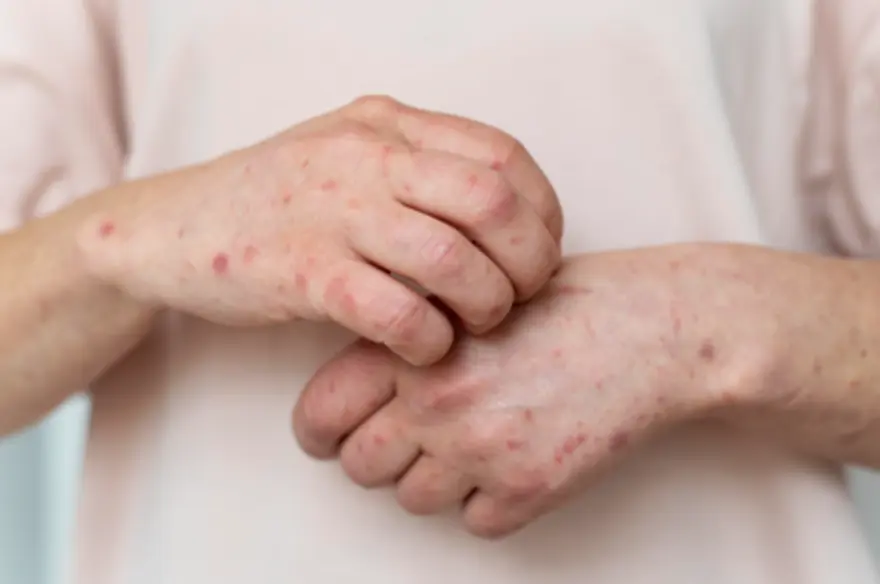
Chickenpox is a highly contagious infection caused by the varicella-zoster virus (VZV), a member of the herpesvirus family. It spreads easily through coughs, sneezes, or direct contact with an infected person’s blisters. While usually mild in healthy children, chickenpox can cause serious complications in adults, pregnant women, newborns, and immunocompromised individuals.
Typical symptoms include an itchy, blister-like rash, fever, fatigue, headache, and loss of appetite. The infection usually lasts for 7–10 days, during which blisters form, burst, and scab over. While there is no cure, home remedies can effectively manage discomfort, reduce itching, and prevent complications such as bacterial infections or scarring.
Simple natural remedies, combined with rest, hydration, and good hygiene, can make recovery smoother and less stressful for both children and adults. If symptoms persist or become severe, professional medical evaluation and testing are essential.
10 Chickenpox Home Remedies
1. Cool Oatmeal Baths
Oatmeal baths are one of the most soothing chickenpox remedies. Finely ground oatmeal forms a gentle barrier on the skin, relieving itching and inflammation. It also contains anti-inflammatory compounds called avenanthramides that calm irritated skin. To prepare, use colloidal oatmeal (finely powdered oats) available commercially or prepare by blending plain oats into a fine powder and mix it into a tub of lukewarm water. Soak for 15–20 minutes once or twice a day. Always use lukewarm water; hot water can aggravate itching and increase skin dryness. After bathing, gently pat the skin dry with a soft towel, rather than rubbing.
2. Baking Soda Soaks
Baking soda is an effective natural skin soother that helps balance the skin’s pH and reduces itching. Dissolve one tablespoon of baking soda in a glass of water and pour it into your bathwater. Alternatively, dip a soft cloth in the solution and apply it gently to the rashes for a few minutes.
This remedy helps prevent scratching, which can otherwise lead to scarring or secondary bacterial infections.
3. Neem (Indian Lilac) Leaves
According to a book on Medicinals published by the National Institutes of Health (NIH), neem, also known as Indian lilac, has long been used in Ayurvedic medicine for its antiviral and antibacterial properties. It helps dry out blisters naturally, speeds healing, and prevents infection.
Add a handful of clean neem leaves to warm bathwater or steep them briefly to make a mild rinse. Avoid direct application of concentrated neem paste on open lesions. You can also grind the leaves into a paste and apply them gently over the rashes. Neem water also helps cleanse the skin and minimize bacterial buildup.
4. Aloe Vera Gel
Aloe vera is a trusted remedy for skin inflammation and healing. Its gel contains polysaccharides and glycoproteins that soothe redness, itching, and irritation while promoting cell regeneration.
Use pure aloe vera gel extracted from the leaf or a store-bought gel without fragrance or alcohol. Apply a thin layer directly on chickenpox blisters 2–3 times a day to keep the skin cool and hydrated. It also helps prevent post-chickenpox scars.
5. Calamine Lotion
Calamine lotion remains one of the most recommended chickenpox remedies by dermatologists. The zinc oxide and ferric oxide in calamine provide a cooling, protective layer that reduces itchiness and irritation.
Gently apply a small amount using cotton balls on clean, dry skin after bathing. Avoid applying to open sores or near the eyes and mouth. Consistent use helps dry up blisters and accelerate the healing process.
6. Honey Application
Raw honey acts as a natural antibacterial and healing agent. It keeps the skin moisturised, prevents infections, and relieves itching caused by chickenpox.
Apply a thin layer of honey over the affected areas and leave it on for 15–20 minutes before rinsing with lukewarm water. Its soothing properties also reduce the urge to scratch, helping minimise scarring during recovery.
7. Hydration with Herbal Teas and Fluids
Chickenpox often causes dehydration, especially in children. Staying well-hydrated helps flush toxins, control fever, and support immune function. In addition to water, herbal teas such as chamomile, tulsi (holy basil), or green tea can provide gentle relief.
Chamomile tea soothes inflammation and promotes sleep, while tulsi tea helps boost the immune system and reduce viral load. Drink plenty of lukewarm fluids throughout the day to maintain hydration and support recovery.
8. Coconut Water and Oil
Coconut water helps replenish electrolytes, prevents dehydration, and supports overall recovery during chickenpox. Coconut oil, on the other hand, acts as a natural moisturiser and antimicrobial agent.
Gently apply virgin coconut oil on healing blisters to reduce dryness and itching. It helps form a thin protective layer that prevents bacterial infection and reduces post-chickenpox marks or discolouration.
9. Soft, Loose Cotton Clothing
Tight or synthetic fabrics can trap heat, worsen irritation, and delay healing. Opt for soft, breathable cotton clothing that allows for air circulation and keeps the skin dry.
Change clothes and bed sheets daily to maintain hygiene and reduce the risk of spreading the virus. Using mild, fragrance-free detergents for washing is also advisable during recovery.
10. Rest and Nutrition
Ample rest allows the immune system to fight the infection effectively. During recovery, eat easily digestible, nutrient-rich foods such as soups, fruits, and vegetables.
Include foods high in vitamins A, C, and E—like carrots, papaya, oranges, and almonds—to support skin repair and immune function. Avoid spicy, oily, or processed foods that can irritate the stomach and cause discomfort.
Conclusion
Chickenpox is usually mild but can be extremely uncomfortable due to itching and skin irritation. Thankfully, natural remedies like oatmeal baths, neem leaves, aloe vera gel, and calamine lotion can make recovery much smoother. Alongside these, maintaining good hygiene, hydration, and nutrition plays a vital role in faster healing.
For accurate diagnosis and comprehensive care, For professional diagnosis and testing, consult a healthcare provider or accredited diagnostic center like Metropolis Healthcare — India’s trusted diagnostic brand with 4,000+ tests, NABL & CAP accredited labs, and 10,000+ home collection touchpoints. You can conveniently book tests via website, call, app, or WhatsApp, and receive quick, reliable reports from expert pathologists.
FAQs
Which home remedy works fastest for chickenpox itching?
Oatmeal baths and calamine lotion are two of the quickest-acting chickenpox remedies for itching. Oatmeal’s anti-inflammatory properties calm the skin, while calamine lotion provides instant cooling and comfort. Applying aloe vera gel afterwards keeps the skin moisturised and helps blisters heal faster.
Can neem or aloe vera help chickenpox blisters?
Yes, both neem and aloe vera are effective in treating chickenpox blisters naturally. Neem’s antiviral properties help dry out blisters without irritation, while aloe vera accelerates wound healing and prevents scarring. Using both remedies alternately can provide enhanced results, especially when used gently and consistently.
What should I avoid applying to chickenpox rashes?
- Alcohol-based creams or antiseptics
- Perfumed lotions and oils
- Toothpaste or vinegar (can burn the skin)
- Turmeric or strong herbal pastes
- Harsh soaps or scrubs
These can irritate open blisters, cause burning sensations, and delay healing.
Are home remedies safe for children with chickenpox?
Most natural remedies—like oatmeal baths, neem water, and aloe vera—are safe when used carefully. However, avoid strong essential oils or concentrated herbal preparations for children. Always keep nails short, encourage gentle pat-drying instead of rubbing, and ensure they stay hydrated. If your child has a high fever or persistent rash, seek medical attention promptly.
How do I stop scars after chickenpox?
Avoid scratching scabs, as it increases the risk of scars. Once blisters have healed, apply aloe vera or coconut oil daily to keep the skin supple and aid cell renewal. Vitamin E-enriched creams and gentle exfoliation (only after complete healing) can help fade any remaining marks. If scars persist, dermatological treatments like chemical peels or laser therapy may be considered under medical advice.
References
https://www.ncbi.nlm.nih.gov/books/NBK234637/
https://www.mayoclinic.org/diseases-conditions/chickenpox/diagnosis-treatment/drc-20351287
https://www.healthline.com/health/home-remedies-for-chickenpox
https://my.clevelandclinic.org/health/diseases/4017-chickenpox